Can Dogs Eat Baby Food Safely?
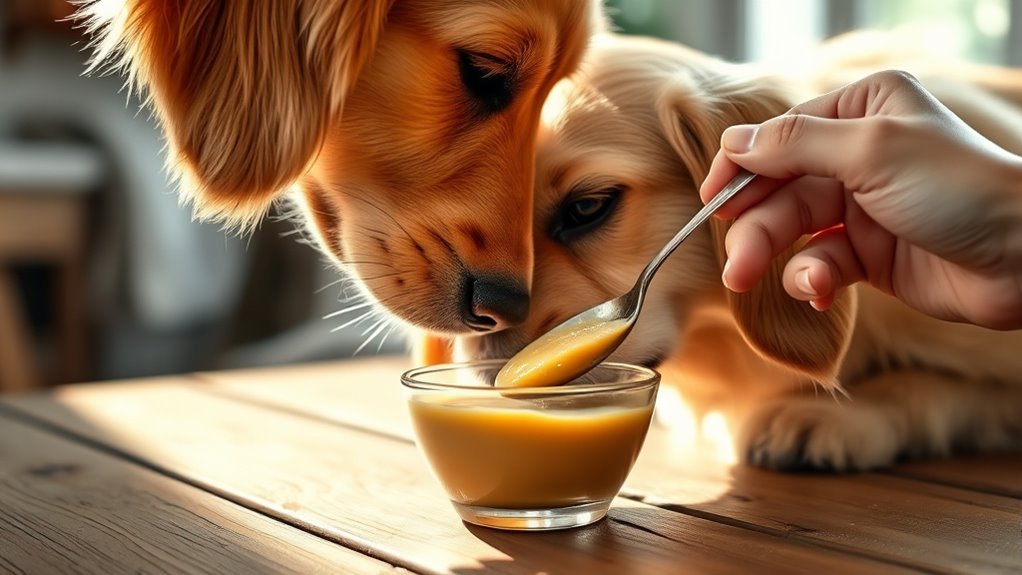
You can safely give your dog baby food as a short-term option, especially during vomiting, diarrhea, or when they refuse regular meals.
Baby food can be a gentle, easy-to-digest choice when your dog isn’t feeling well. Just make sure to choose simple, natural stage one foods without harmful ingredients like garlic, onions, or xylitol.
Introduce it gradually in small amounts and watch for any digestive issues.
Remember, baby food isn’t meant to be a regular meal replacement. So knowing which ingredients to pick and avoid will help you keep your dog healthy and comfortable.
If you want to learn more about safe choices and feeding tips, explore further to make sure your furry friend gets the best care.
Key Takeaways
- Consult a vet before giving baby food to ensure it’s appropriate for your dog’s health condition.
- Choose stage one baby foods with simple, natural ingredients free from harmful additives like garlic and onions.
- Baby food can help soothe gastrointestinal issues and encourage appetite during vomiting or diarrhea episodes.
- Introduce baby food gradually in small amounts while monitoring your dog for any adverse reactions.
- Use baby food only as a temporary supplement, not a replacement for your dog’s regular meals.
When Can You Safely Give Baby Food to Your Dog?
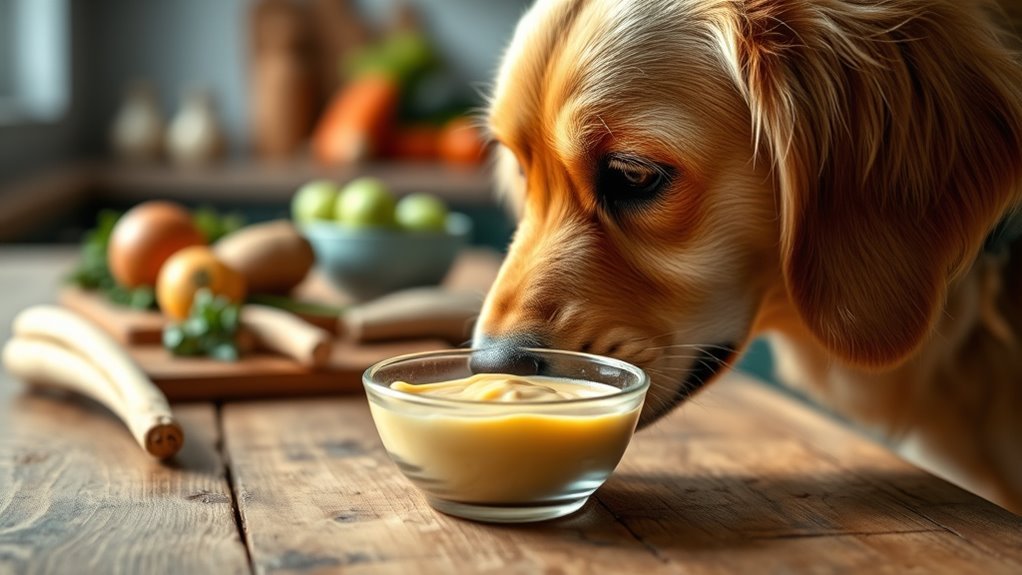
Although baby food isn’t meant to replace your dog’s regular meals, you can safely give it to your dog after consulting your vet, especially if they’re experiencing vomiting or diarrhea. Feeding baby food can help soothe gastrointestinal distress and encourage appetite when your dog refuses regular food due to illness or medication.
Before offering any baby food, always check the ingredients carefully to avoid harmful substances like garlic, onions, or artificial sweeteners. Introduce baby food gradually and in small amounts to monitor for any digestive issues.
Which Baby Food Ingredients Are Safe or Harmful for Dogs?
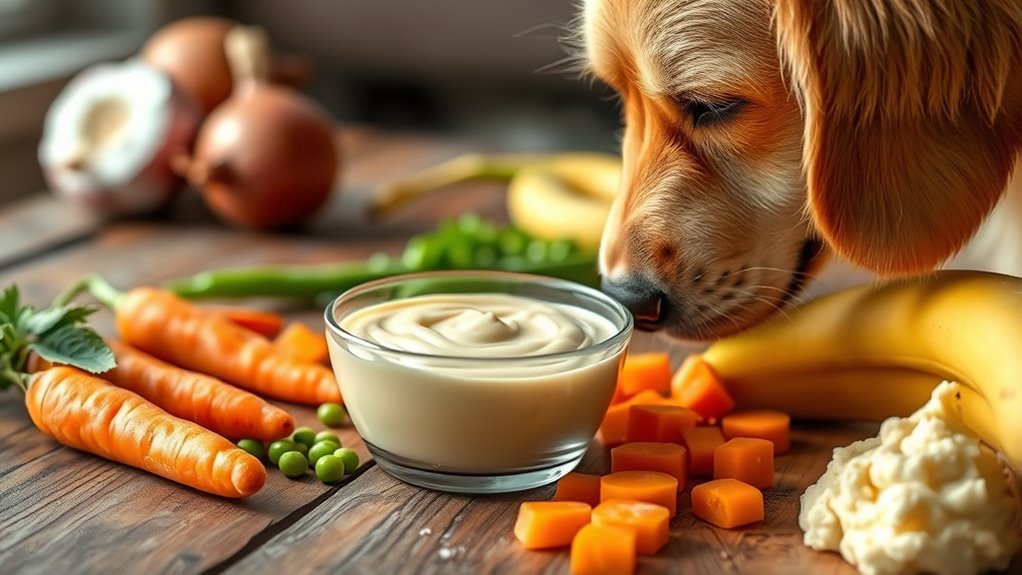
Since not all baby food ingredients are safe for dogs, you need to carefully read labels before offering any product. When choosing from baby food pouches, focus on stage one baby foods with simple, natural ingredients.
Always read labels carefully and choose stage one baby foods with simple, natural ingredients for your dog.
Here are key points to take into account:
- Safe baby food ingredients include plain pumpkin, sweet potato, and pure meats like chicken or beef.
- Avoid garlic and onion, as they are toxic to dogs and can cause serious health issues.
- Watch out for xylitol, an artificial sweetener that’s highly toxic to dogs.
- Check for high sodium content and preservatives, which may upset your dog’s stomach or pose health risks.
Frequently Asked Questions
What Kind of Baby Food Can a Dog Eat?
You can feed your dog stage one baby foods with single ingredients like plain pureed pumpkin, sweet potato, chicken, beef, or turkey.
Just avoid any additives like onion, garlic, sugars, or harmful preservatives for safety.
It’s pretty simple, really. Just stick to the plain stuff, and your dog should be just fine!
Is Gerber Baby Food Ok for Dogs?
Gerber baby food can be a gentle treat for your dog, as long as you pick simple, wholesome varieties without harmful extras.
Just double-check ingredients and chat with your vet before adding it to their menu.
It’s always good to be cautious, right? That way, your furry friend stays happy and healthy!
What Kind of Baby Food Is Best for Older Dogs?
You should choose simple, meat-based baby foods like chicken or beef, or single-ingredient options such as plain pumpkin or sweet potato. Avoid additives like garlic or onions.
Always check with your vet first for safety. It’s better to be safe than sorry!
Can Dogs Eat Baby Food in a Jar?
Yes, you can feed your dog jarred baby food, but only if it has simple, dog-safe ingredients. Avoid harmful additives like garlic, onion, or xylitol.
Also, make sure to introduce it gradually to prevent any digestive issues. It’s always good to keep an eye on how your dog reacts to new foods.
Conclusion
Feeding your dog baby food can be a helpful treat, but only if you pick the right ingredients. Think of it like a puzzle—each piece has to fit perfectly to keep your furry friend safe and healthy.
Avoid harmful additives like onion or garlic, and stick to plain, simple foods. When in doubt, check with your vet.
That way, you’ll keep mealtime a happy, worry-free experience for both of you. Remember, not all baby foods are safe for dogs, so choosing the right ones is key. Feeding your dog baby food safely means paying close attention to ingredients and avoiding anything toxic. Always consulting your vet can help ensure your dog stays healthy while enjoying this occasional treat.



6 Comments