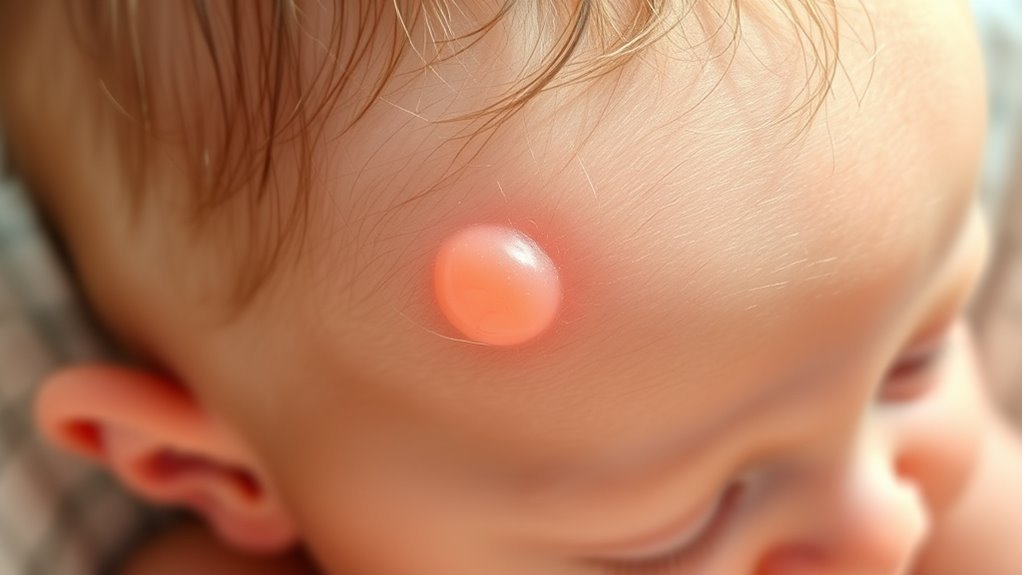
When Does a Baby Soft Spot Close—A Step-by-Step Guide
You’ll notice your baby’s posterior soft spot usually closes by 2 to 3 months, sometimes even at birth. This soft spot, also called the posterior fontanelle, is the smaller one located at the back of your baby’s head.
The anterior soft spot is the larger one on top and stays open longer, typically between 12 and 18 months. But in some cases, it can take up to 24 months to fully close.
When you check your baby’s soft spots, you should gently feel for a soft, flat texture.
Keep an eye out for any bulging or sinking, as these could be signs to watch closely.
If you want to understand how to monitor your baby’s soft spots closely and know when to seek help, keep going.
This guide will help you keep track of your baby’s development and ensure everything is on track.
Key Takeaways
- The posterior soft spot usually closes by 2 to 3 months, sometimes even at birth.
- The anterior fontanelle stays open longer. It typically closes between 12 to 18 months, but sometimes it can take up to 24 months.
- Pediatricians check soft spots regularly during visits to keep an eye on healthy growth. This helps them spot any delays or abnormalities early on.
- Soft spots should feel soft and flat, with a gentle pulsation you can usually feel. If you notice any changes, it’s a good idea to get it checked out.
- You should seek immediate medical attention if the soft spot looks sunken or is persistently bulging. Also, if your baby has a fever or acts differently, don’t wait to get help.
When Does a Baby’s Soft Spot Typically Close?
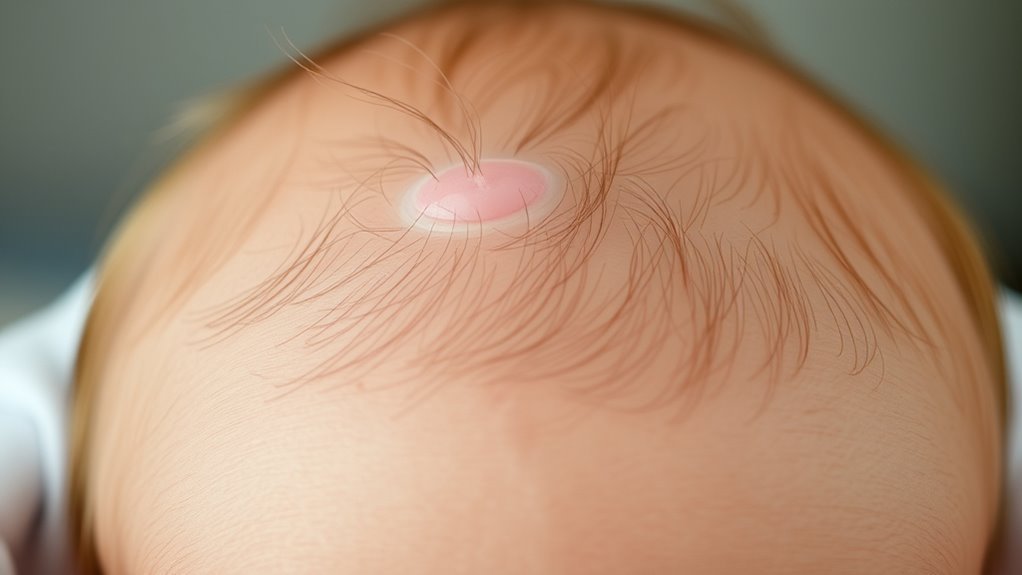
Although the timing varies, you can generally expect your baby’s posterior soft spot to close by 2 to 3 months of age, sometimes even at birth. This posterior fontanelle is one of the baby’s soft spots that pediatricians monitor closely.
The anterior fontanelle typically stays open much longer, usually closing between 12 and 18 months, but sometimes as late as 24 months. Individual closure timing can vary, so it’s important to track your baby’s growth and development during well-child visits.
Pediatricians check these soft spots to guarantee healthy growth and to spot any signs needing medical attention. If the anterior fontanelle closes unusually early or remains open beyond 2 years, your doctor may recommend further evaluation.
How to Monitor Your Baby’s Soft Spot and When to Get Help

Keeping track of your baby’s soft spots helps you understand their growth and spot any potential issues early.
Regularly monitor the soft spot’s texture; it should feel soft and flat with gentle pulsation, indicating normal blood flow.
Watch for a sunken soft spot or signs of dehydration, like fewer than six wet diapers. These need immediate medical attention.
Seek help if the soft spot bulges persistently or if your baby shows symptoms such as fever or vomiting.
Pediatric check-ups are essential to monitor the anterior fontanelle and overall development.
| What to Monitor | When to Get Help |
|---|---|
| Soft spot texture | Sunken or bulging soft spot |
| Pulsation (blood flow) | Persistent bulging with symptoms |
| Number of wet diapers | Less than six per day (dehydration) |
| Anterior fontanelle | Delayed closure beyond 18 months |
| Baby’s behavior | Fever, vomiting, lethargy |
Frequently Asked Questions
How Early Can a Baby’s Soft Spot Close?
A baby’s soft spot can close as early as birth for the posterior fontanelle and around 9 months for the anterior fontanelle.
Don’t worry if it varies a bit; every baby is different. Regular check-ups will keep you informed about your baby’s growth.
I Accidentally Bumped My Baby’s Soft Spot. What Should I Do?
You might worry, but gently watch your baby after bumping the soft spot. If they cry excessively, vomit, or show unusual behavior, get medical help right away.
Otherwise, keep supporting their head carefully and stay calm. It’s important to stay relaxed so your baby feels safe too.
When Can I Stop Worrying About My Baby’s Soft Spot?
You can relax once the anterior fontanelle closes, usually between 9-18 months.
Until then, stay alert for unusual bulging or sinking. Keep up pediatric visits to verify your baby’s soft spot is developing normally.
What Happens if a Baby Soft Spot Closes Too Soon?
If your baby’s soft spot closes too soon, it can restrict skull growth and brain development. This might lead to pressure buildup and developmental delays.
You’ll want to watch for odd head shapes or irritability. If you notice anything unusual, be sure to consult your pediatrician right away.
Conclusion
Now that you know when your baby’s soft spot usually closes, you can keep a close eye on it without worrying like it’s the Dark Ages. Most soft spots seal up by 18 months, but every baby’s different.
If you notice anything unusual—like swelling or a sunken area—don’t hesitate to call your pediatrician. Trust your instincts, and remember, you’re doing a great job keeping your little one safe and healthy!
Keeping track of when a baby soft spot closes is important for your peace of mind. While most close by 18 months, some may take a bit longer. Always watch for changes like swelling or indentation, and reach out to your doctor if you have concerns. Your careful attention helps ensure your baby’s safety and healthy development. You’re doing an amazing job!






3 Comments