What Are Baby Hairs and How to Style Them
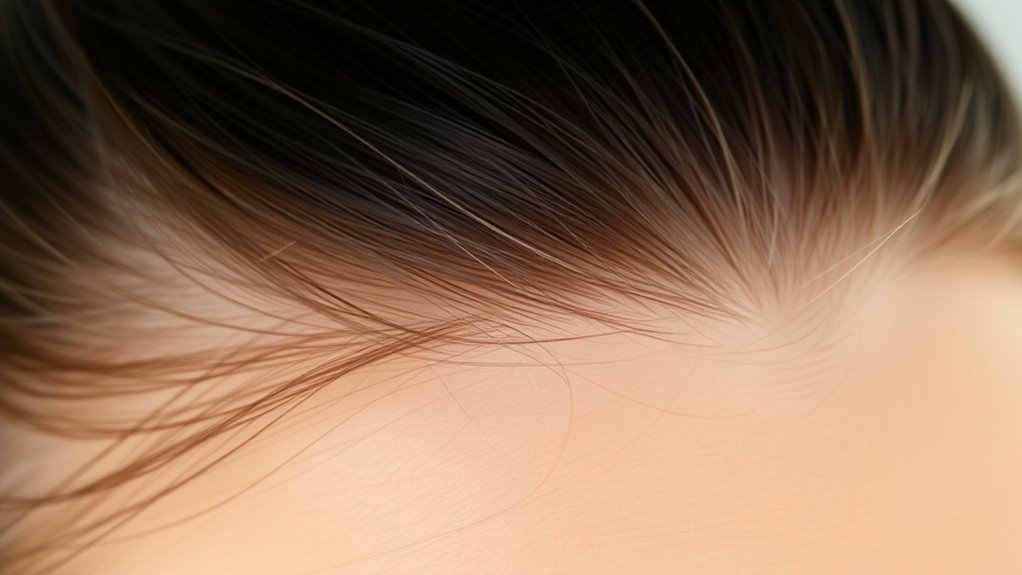
Baby hairs are those fine, wispy strands that naturally grow along your hairline. They signal healthy new growth and add a unique charm to your overall look.
These tiny hairs are often overlooked, but they play a big role in framing your face and enhancing your hairstyle. You can style them gently using edge control to shape and define without causing damage.
It’s best to avoid tight hairstyles because they can pull on these delicate strands and cause breakage. Keeping baby hairs nourished with lightweight products is key to maintaining their softness and health.
Taking care of your baby hairs not only enhances your look but also supports your hair’s overall health. There’s plenty to explore about caring for and styling these tiny beauties, so why not give them some love?
Key Takeaways
- Baby hairs are fine, wispy strands along the hairline that indicate new hair growth and enhance natural beauty. They add a delicate touch to your look.
- They protect the skin, wick away sweat, and contribute to overall hair health while adding styling versatility. So, they’re pretty important beyond just aesthetics.
- Use edge control products to shape and define baby hairs gently. Just be sure to avoid tight hairstyles to prevent any damage.
- Embrace creative, gentle styling techniques to highlight individuality and maintain baby hairs’ health. It’s all about keeping them safe and stylish.
- Hydrate baby hairs with lightweight products, avoid excessive heat, and regularly massage the hairline to promote healthy growth. These little steps can make a big difference!
What Baby Hairs Are and Why They Matter
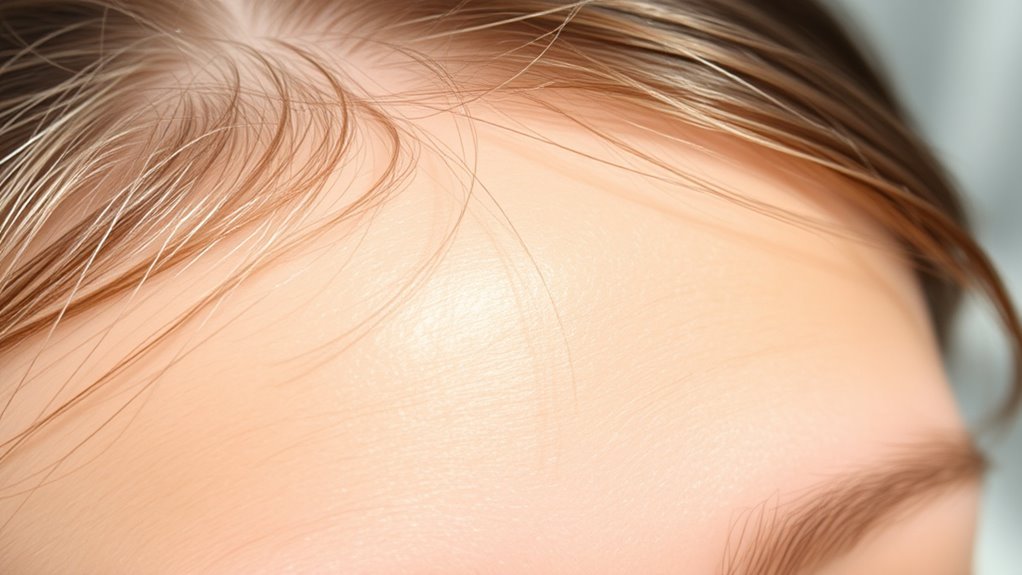
Baby hairs are those fine, wispy strands along your hairline that signal new growth and add a unique touch to your look. These delicate, soft hairs appear naturally around your forehead, temples, and nape, creating an irregular hairline that sets your natural hair apart.
Unlike breakage, baby hairs have pointed tips, showing healthy hair growth, not damage. They play a role in protecting your skin from irritation and help wick away sweat, making them functional as well as aesthetic.
Embracing your baby hairs highlights your individuality and creativity in styling, especially when using edge control to shape these fine strands. Proper hair care acknowledges their presence, allowing you to enhance your styling while celebrating the natural beauty of your hairline.
How to Style and Care for Baby Hairs for Healthy Growth
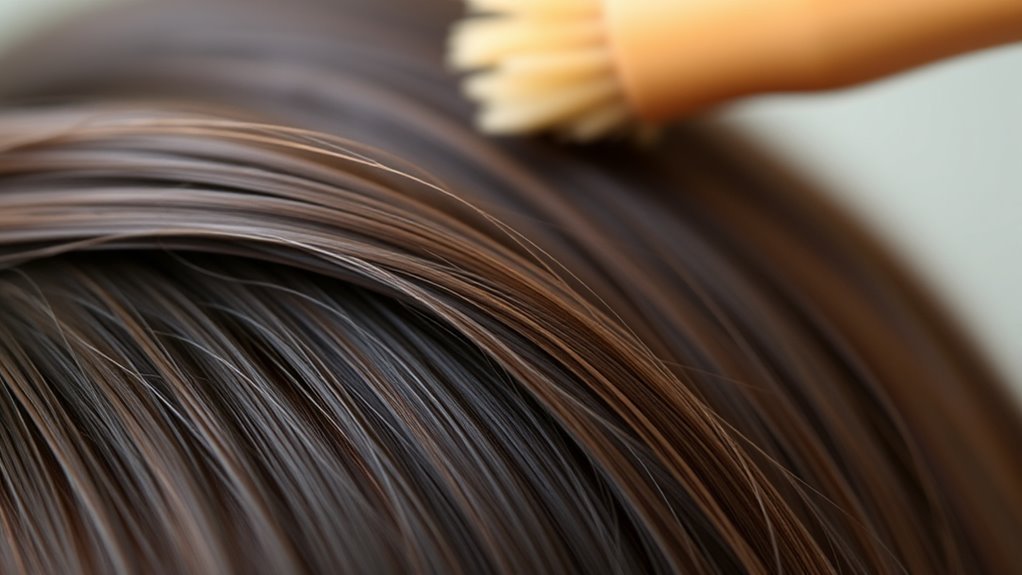
When you want to keep those delicate hairs healthy and looking their best, styling them gently is key. To promote healthy growth, avoid tight hairstyles and excessive heat that can damage baby hairs along your hairline.
Use lightweight, nourishing products to keep this area hydrated without weighing down your natural curls. Edge control is great for taming frizzy hair and defining baby hairs without causing breakage.
Regularly massage your hairline to boost circulation and stimulate growth. Be mindful of changes in your baby hairs, as thinning might signal hair health concerns.
Frequently Asked Questions
How Did Kim Kardashian Get Rid of Her Baby Hairs?
Kim Kardashian got rid of her baby hairs by using laser hair removal for a clean hairline.
You can also try edge control and gentle care, avoiding tight styles to keep your hair healthy and sleek like hers.
How to Style Your Hair When You Have Baby Hairs?
You style your hair with baby hairs by using edge control and a dual-ended tool to shape them. Keep them smooth with a small amount of product, then set with a satin wrap to maintain your polished look.
It’s pretty simple once you get the hang of it. Just take your time to shape those baby hairs the way you like. Using a satin wrap helps keep everything in place and looking fresh throughout the day.
What Are Some Different Styles of Baby Hairs?
You can style your baby hairs into elegant swoops, artistic swirls, or sharp waves. Try single swoops for polish, lattice designs for creativity, or braid accents for unique flair.
These styles frame your face beautifully and express your personality. It’s all about finding what feels right for you!
What Do I Do With My Baby Hairs?
You can style your baby hairs like Maya, who uses a small edge brush and gel to create sleek swoops along her hairline. Just dampen them, sculpt gently, and finish with a satin scarf to keep them smooth all day.
It’s super easy once you get the hang of it. Plus, a little patience goes a long way when shaping those perfect edges!
Conclusion
Baby hairs might seem delicate and easy to overlook, but they play a big role in framing your face and adding character to your hairstyle. While they’re small and sometimes rebellious, caring for them with gentle styling and proper moisture helps them thrive.
So, don’t ignore those tiny strands—they’re like the quiet heroes of your look. Even the smallest details can make the biggest difference. Embrace your baby hairs with care and confidence!
Styling baby hairs is all about enhancing your natural beauty. With the right products and techniques, you can turn those fine strands into a stylish statement. Remember, baby hairs add softness and definition, making your hairstyle unique and polished. So go ahead, show off those baby hairs—they deserve some love too!