What Do You Call a Baby Turkey?
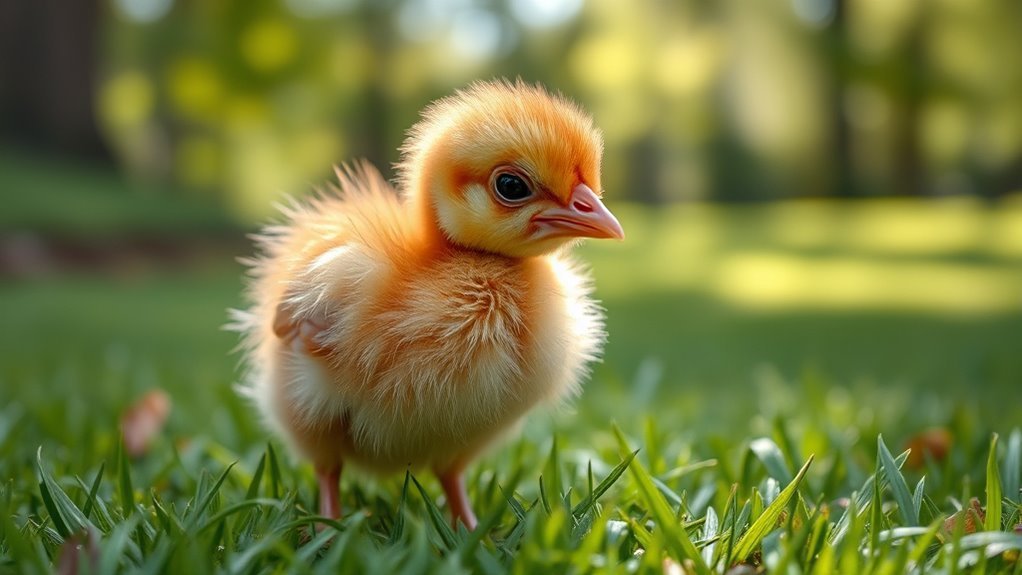
You call a baby turkey a poult, whether it’s on a farm or in the wild. Right after hatching, poults are covered in soft down feathers and stay close to their mother for several months.
As they grow, you can spot differences in size and feather development.
Juvenile males, called jakes, tend to be bigger and start gobbling, while females, known as jennies, make softer clucks.
Keep observing, and you’ll soon recognize their age and gender.
It’s pretty fascinating how these little poults change as they grow!
Key Takeaways
- A baby turkey in domestic settings is commonly called a poult.
- Wild young turkeys are often referred to as chicks.
- Juvenile male turkeys are known as jakes.
- Juvenile female turkeys are called jennies.
- Poult is the most widely used term for baby turkeys overall.
So, if you hear someone mention a poult, they’re talking about a baby turkey! It’s pretty neat how different terms are used depending on whether the turkey is wild or domestic, or even based on its gender.
What Is a Baby Turkey Called?
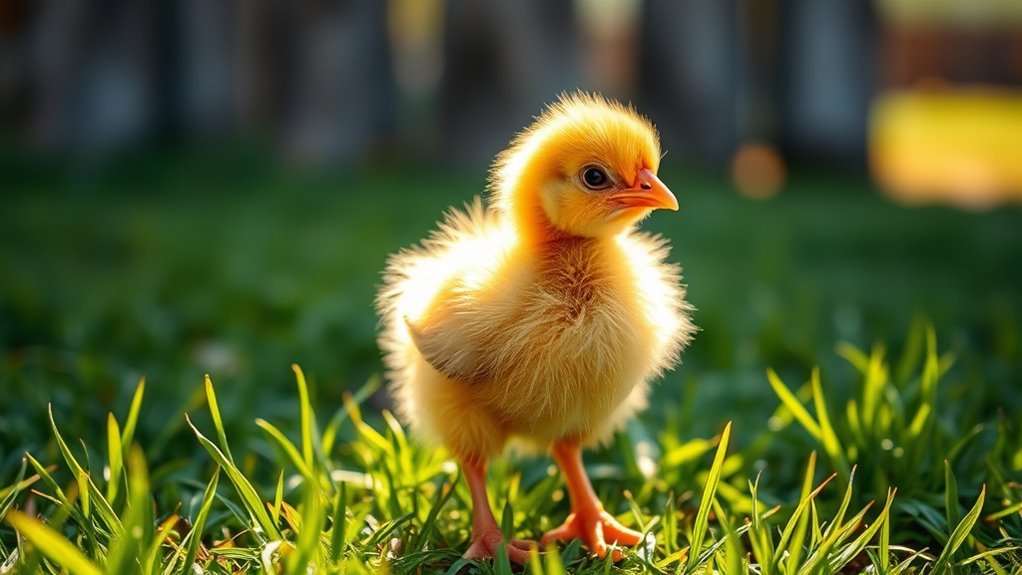
A baby turkey is called a poult, especially in domestic settings. When you encounter young turkeys in the wild, you might hear them called chicks, but poult remains the more common term in domestic contexts.
From the moment they hatch, poults are active and stay close to their mother for about four to five months. As they grow, you’ll notice juvenile males are called jakes, and juvenile females are jennies.
Understanding these terms helps you identify members of a group of turkeys more easily. Whether you’re observing wild turkeys or those raised domestically, knowing that a baby turkey is called a poult gives you a clear starting point to recognize their early life stage and appreciate their development.
How to Identify Young Turkeys by Age and Gender
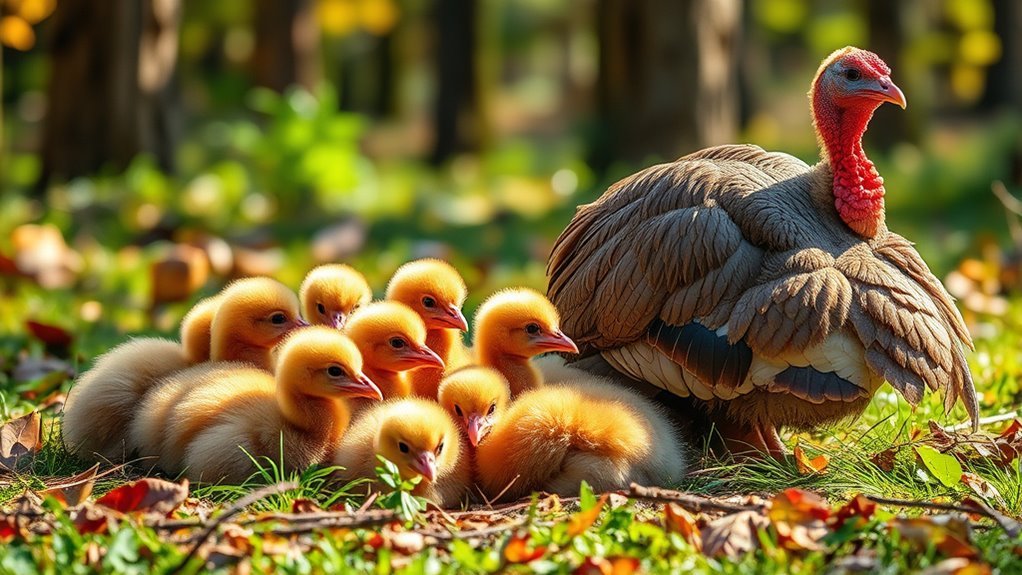
When you observe young turkeys closely, you can identify their age and gender by noting their size, feather development, and behavior. Baby turkeys, called poults, start covered in soft down feathers and stay near their mother for several months.
As they grow, poults develop adult-like feathers and their size and weight increase. Juvenile males, known as jakes, tend to be larger than juvenile females, called jennies.
You can also distinguish jakes from jennies by watching their foraging habits and listening to vocalizations—jakes begin to gobble as they mature, while jennies produce softer clucks. Paying attention to these traits helps you tell poults apart and track their growth into jakes and jennies with confidence.
Frequently Asked Questions
Are Baby Turkeys Called Goslings?
No, baby turkeys aren’t called goslings; that term is for baby geese. You call a baby turkey a poult.
Knowing this helps you avoid confusing different bird species and their young. It’s pretty handy to get these names right!
What Is an Adolescent Turkey Called?
You spot a young turkey, feathers fluffing, not quite grown. That adolescent bird? It’s called a Jake if male, a Jenny if female.
They’re maturing, finding their place before full adulthood arrives. Just getting ready to take on the turkey world!
What Is the Only State Without Turkeys?
The only state without wild turkeys is Alaska. You won’t find them there because the climate and habitat aren’t suitable.
Though you can see domestic turkeys on farms, the harsh environment just doesn’t support wild populations. It’s just too tough for them to thrive up there.
How Do You Say Baby Turkey?
You say “baby turkey” as a poult or chick. If you want, you can call it a turklet or turkling for fun.
Conclusion
So, now you know a baby turkey is called a poult—just like a little explorer starting its journey. Imagine a tiny poult, wobbling through the forest floor, learning to navigate just like you did when you took your first steps.
By recognizing poults and their growth stages, you’re not just spotting birds—you’re witnessing nature’s own coming-of-age story unfold right before your eyes. Each poult’s adventure is a glimpse into the wild, full of discovery and growth.
Keep watching closely; every poult has a story worth discovering. Understanding what a baby turkey is called helps you connect with the natural world on a deeper level, making each sighting a memorable moment in your exploration of wildlife.