Where Do Baby Back Ribs Come From on the Animal?
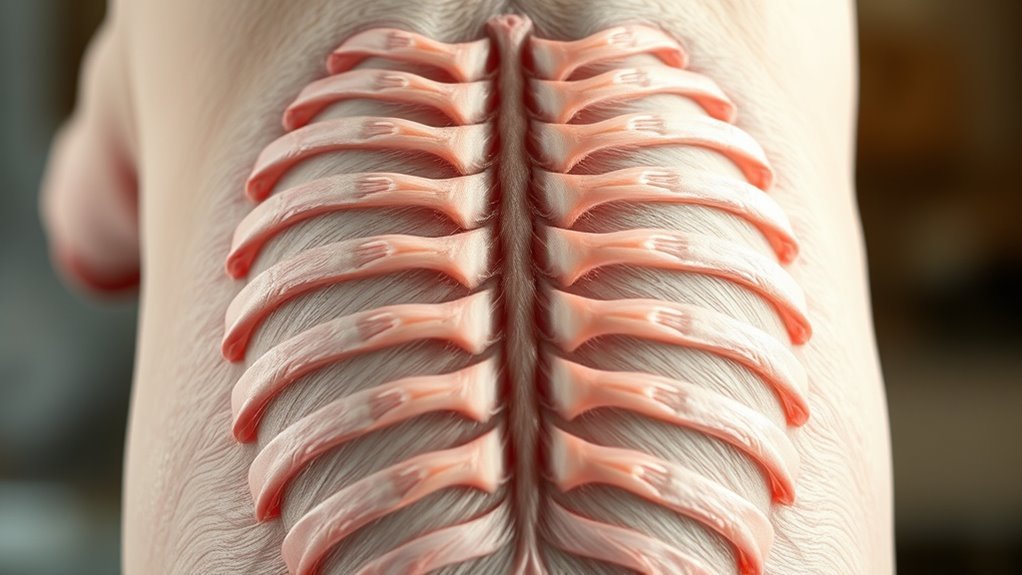
You get baby back ribs from the upper part of the pig’s back, nestled between the spine and ribcage, just above the spare ribs.
These ribs come from the last few curved ribs near the loin, which makes them smaller and more tender than other rib cuts.
Because they come from less worked muscles, baby back ribs cook quickly and offer a mild flavor with a higher meat-to-bone ratio.
This is why they’re often a favorite for grilling or slow cooking.
Keep going, and you’ll find out how their location shapes their size and tenderness.
Key Takeaways
- Baby back ribs come from the upper part of the pig’s back, near the spine and ribcage. They are cut from the last few ribs close to the loin, typically ribs 1 through 12.
- Positioned above the spare ribs, baby back ribs have a distinctive curved shape. They’re located between the spine and the ribcage, which makes them tender and meaty.
- Because of where they come from on the pig’s back, these ribs tend to be smaller. They also have a higher meat-to-bone ratio, which is part of what makes them so popular.
Where Are Baby Back Ribs Located on the Pig?
Baby back ribs come from the upper part of the pig’s back, nestled between the spine and the ribcage just above the spare ribs. You’ll find these ribs cut from the last few ribs near the loin, usually from the 1st to the 12th rib.
Their location on the pig gives baby back ribs their distinctive curved shape and smaller size compared to other rib cuts. When you handle a rack of ribs, baby back ribs are generally lighter, weighing about 2 to 2.5 pounds.
Because of their location near the loin, these ribs are known for being tender, making them a favorite for barbecue lovers. So, when you think of baby back ribs, remember their precise location on the pig defines their unique qualities.
How Does the Location of Baby Back Ribs Affect Their Size and Tenderness?
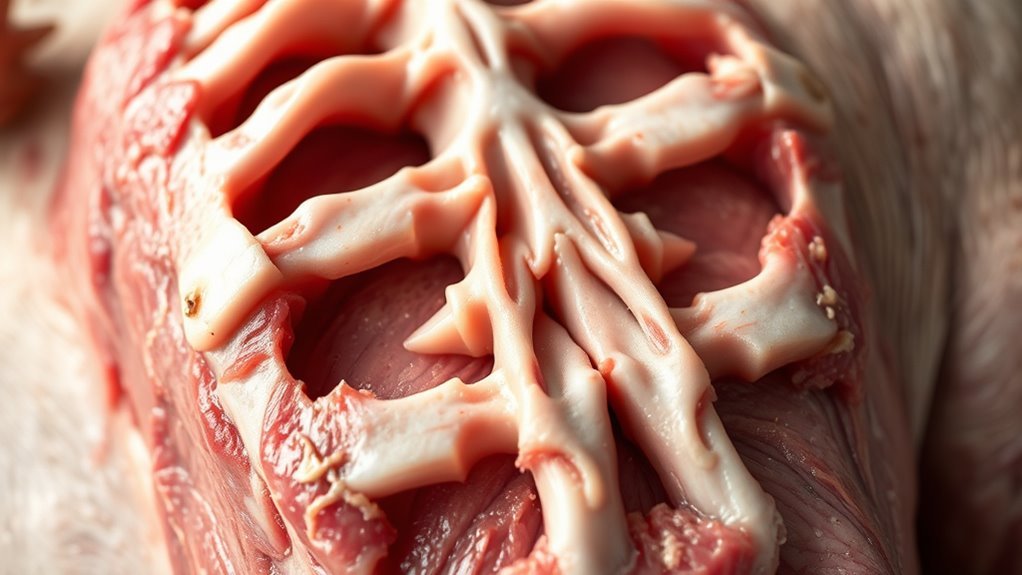
Because they come from the upper rib cage near the spine and loin, these ribs have a naturally curved shape and a smaller size compared to other cuts. The location of baby back ribs gives them a higher meat-to-bone ratio, making them look meaty and appealing.
Their muscle structure is designed for movement but isn’t heavily worked, which contributes to their tenderness. However, baby back ribs have less marbling than other rib cuts, so their flavor is milder.
Because of their size and location, they cook more quickly, but you’ll need to watch the cooking time carefully to keep them tender. Understanding how the rib cage placement influences size and tenderness helps you prepare baby back ribs that are juicy and delicious every time.
Frequently Asked Questions
Do Ribs Come From a Pig or Cow?
Ribs come from both pigs and cows, and you’ll find distinct flavors in each. Pig ribs are tender and great for slow cooking.
Beef ribs offer a richer taste with more fat and a meatier texture. They’re perfect if you like something a bit heartier.
What Animal Do St. Louis Ribs Come From?
You might think St. Louis ribs come from a cow, but they actually come from a pig.
You’ll love their rich flavor and tenderness, thanks to the marbling in the spare rib section they’re trimmed from.
What’s Better, Pork Ribs or Baby Back Ribs?
You’ll find baby back ribs leaner and more tender, cooking faster with a milder flavor.
Pork ribs, on the other hand, offer a richer taste and more fat.
Can You Eat Ribs From Pigs?
Absolutely, you can eat ribs from pigs! When you bite into tender, juicy pork ribs, you’ll discover why they’re a barbecue favorite.
Just make sure you cook them properly for the best flavor and safety. It really makes all the difference!
Conclusion
Now that you know baby back ribs come from the top part of the pig’s rib cage, just below the spine, you can appreciate why they’re so tender and lean. Because they’re located near the loin, they’re shorter and meatier than spare ribs.
Here’s a fun fact: baby back ribs typically make up only about 30% of the pig’s total rib portion. That explains why they’re so sought after for their flavor and tenderness.
In short, baby back ribs come from a prime spot on the pig, which is why they’re prized in cooking. Their location near the loin means they have less fat and more tender meat, making them a favorite for grilling and barbecuing. Understanding where baby back ribs come from helps you appreciate the quality and taste that make them stand out compared to other ribs. So next time you enjoy this delicious cut, you’ll know exactly why it’s so special!






2 Comments