
Are Baby Showers Just for Women?
You might think baby showers are just for women, and traditionally they were—offering a space for moms to share experiences and support one another.
But these days, baby showers are changing. They’re becoming more inclusive, welcoming dads, friends, and family to join in.
Co-ed celebrations reflect shared parenting roles and modern family dynamics. These gatherings bring more fun, connection, and community for everyone involved.
If you want to understand how baby showers are evolving and reshaping the way we celebrate new life, keep exploring. It’s all about celebrating together, no matter who you are!
Key Takeaways
- Traditionally, baby showers were women-only events focused on female support and caregiving roles. Women-only gatherings fostered open, uninhibited discussions about motherhood experiences.
- Nowadays, baby showers often include men too, which shows how parenting and social norms are changing. Including dads and other family members helps everyone feel involved.
- Co-ed baby showers promote shared parenting responsibility and broader community involvement. It’s all about celebrating together and supporting each other.
- Today’s celebrations are more inclusive, creating enjoyable experiences for all genders and ages. So, baby showers aren’t just for women anymore—they’re for everyone who wants to share in the joy!
Why Baby Showers Used to Be Just for Women
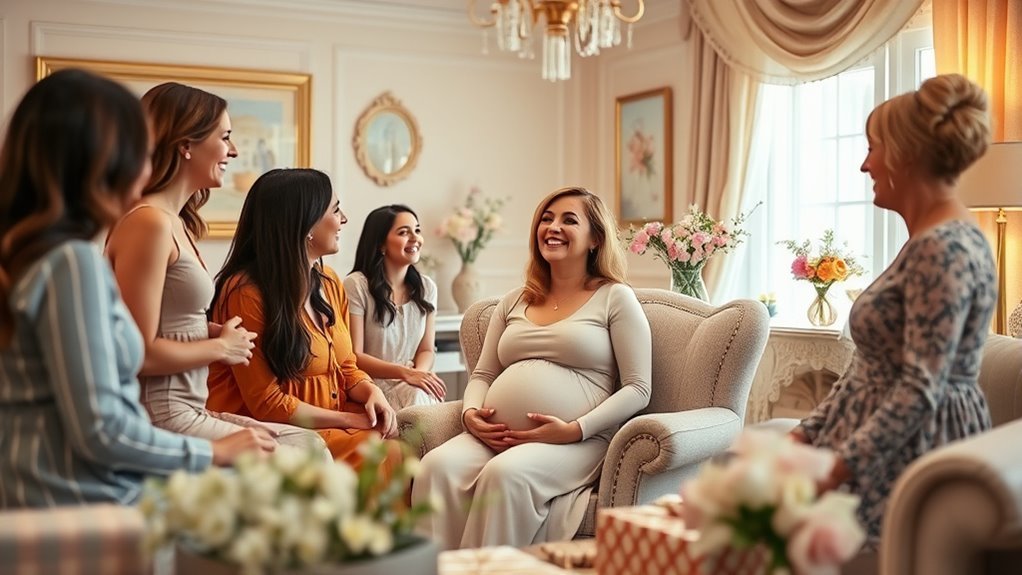
Anyone looking back at traditional baby showers will notice they were almost always women-only events. This wasn’t by chance—it reflected cultural practices and societal norms that shaped how communities viewed pregnancy and motherhood.
These women-only events created safe spaces where you could openly share experiences about childbirth, breastfeeding, and the challenges of early motherhood without feeling inhibited by men’s presence.
Women-only gatherings fostered open sharing about childbirth, breastfeeding, and early motherhood without hesitation.
Societal norms positioned women as the primary caregivers, so these gatherings focused specifically on their experiences and support networks. Many mid-20th-century cultures embraced these traditions to reinforce women’s roles in child-rearing and community bonding.
Understanding this history helps you see why baby showers used to be exclusively for women. It shows how deeply rooted those practices were in cultural and societal expectations.
How Co-Ed Baby Showers Are Changing the Way We Celebrate
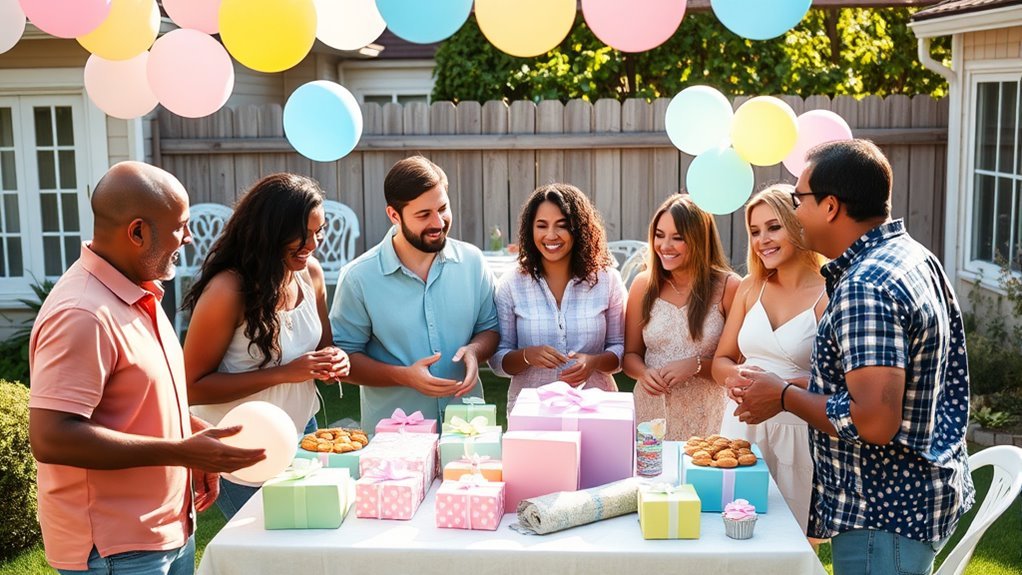
While baby showers traditionally served as women-only gatherings, today’s celebrations are becoming more inclusive and dynamic. Hosting a co-ed baby shower lets you celebrate with both parents and friends, promoting shared responsibility in parenting.
This shift reflects changing cultural norms, where diverse guest lists strengthen community bonds and create lively, engaging events for everyone, including kids. If you’re planning, consider baby shower ideas like a potluck format to ease budget concerns and encourage broader participation.
Studies show co-ed baby showers boost social interaction and make the event more enjoyable for all attendees. By embracing this inclusive approach, you help foster a supportive environment for the expectant parent and their network.
It’s a great way to change how we celebrate new life and family together.
Frequently Asked Questions
Can Men Go to a Baby Shower?
Yes, men can definitely go to a baby shower. Many modern celebrations are co-ed, letting dads and other men join in the fun.
They get to support the parents and share in the excitement of welcoming a new baby. It’s all about celebrating together!
Who Normally Goes to Baby Showers?
You’ll usually see close friends and family at baby showers, including both women and men nowadays.
Sometimes kids join in too, especially in family-friendly celebrations. The guest list depends on the parents’ preferences and space available.
Can a Baby Shower Be Coed?
Imagine a lively garden party where everyone’s laughter blooms—yes, you can absolutely have a coed baby shower!
You’ll create a warm, inclusive celebration that brings both parents and friends together, sharing joy and support equally.
Is There a Male Version of a Baby Shower?
Yes, there is a male version called a “dadchelor party” or “diaper party.”
You can celebrate with friends, enjoy activities like barbecues, and focus on supporting the dad while preparing for the baby’s arrival.
It’s a fun way to get everyone together and make the soon-to-be dad feel special.
Conclusion
You might think baby showers are just for women, but times are changing fast. Imagine a celebration where everyone—dads, friends, family—shares the excitement equally.
Co-ed baby showers are breaking old traditions, making the joy bigger and more inclusive. So, next time you’re planning one, ask yourself: why limit the fun?
The real question is, are you ready to join this new way of celebrating life’s biggest moments? Baby showers are evolving into inclusive events where everyone can share in the happiness of welcoming a new baby. Embracing co-ed baby showers means creating memories together, involving all loved ones, and celebrating the journey of parenthood as a community. So don’t hesitate—make your baby shower an inclusive celebration that reflects the excitement of all those who care.




2 Comments