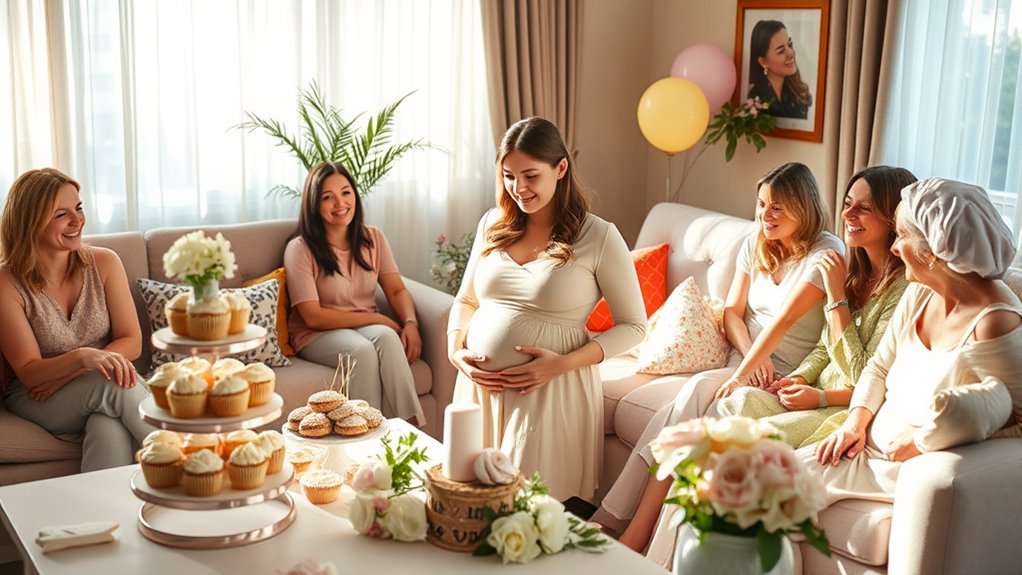
How Long Is a Baby Shower
You can expect a baby shower to last between two and four hours, which is a good range to keep things fun and lively. Ideally, aiming for about 2.5 to 3.5 hours works best to keep guests engaged without anyone getting too tired.
You’ll want to plan time for games, mingling, and gift opening—usually up to an hour—to maintain a fun, balanced flow.
Shorter showers can be just 1.5 hours, but going longer than four might tire everyone out.
If you want tips on timing activities and managing gifts, there’s more to explore. It’s all about finding the right balance to make the baby shower enjoyable for both the parents-to-be and their guests!
Key Takeaways
- A typical baby shower lasts between 2 to 4 hours, with 2.5 to 3.5 hours being ideal for engagement.
- Gift opening usually takes up to one hour to prevent guest fatigue and maintain event flow.
- Plan 3 to 5 games lasting 30 to 45 minutes to encourage interaction and enjoyment.
- Balance activities like games, mingling, and gift opening to keep guests engaged without overwhelming them.
- Include setup and cleanup time, and adjust the schedule based on guest count and feedback for smooth transitions.
- It’s all about keeping things fun and flowing nicely for everyone involved!
How Long Does a Baby Shower Usually Last?
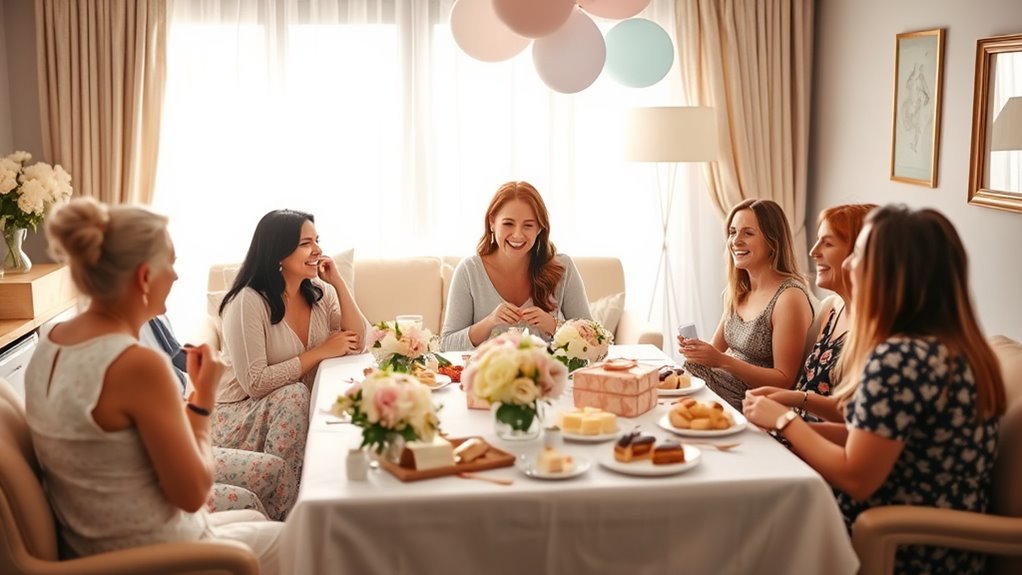
A typical baby shower usually lasts between two to four hours, giving you plenty of time to enjoy activities like games, mingling, and gift opening. This duration strikes a balance, allowing guests to engage without feeling rushed or overwhelmed.
While some showers last as little as 1.5 hours, that shorter timeframe might limit guest interaction and overall engagement. On the other hand, events stretching to four hours provide more space for diverse activities and deeper connections but can sometimes lead to social fatigue.
Most baby shower activities comfortably fit within 2.5 to 3.5 hours, making this the ideal window for your event. Remember to factor in setup and cleanup time when planning the total duration to guarantee everything runs smoothly.
How Gift Opening and Activities Influence Shower Duration
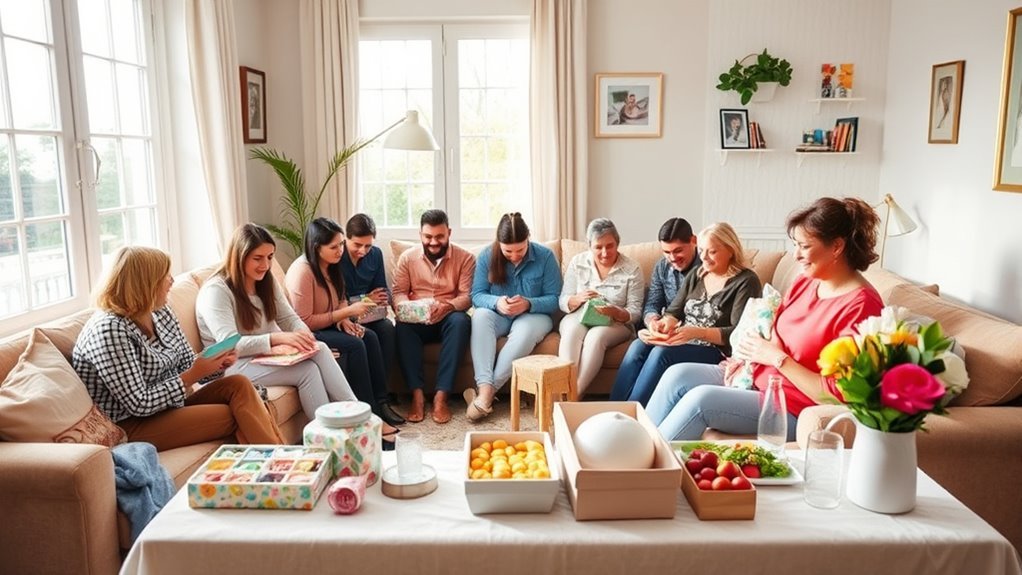
Because gift opening and activities take up significant time during a baby shower, managing their duration is key to keeping guests engaged. Your planning should balance socializing, games, and gift opening to maintain entertainment without dragging the event.
Here’s how to influence the shower duration effectively:
- Limit gift opening to one hour or less to prevent guest fatigue and keep engagement high.
- Schedule 30-45 minutes for 3-5 games, which encourages interaction and adds fun without overstaying.
- Adjust timing based on guest count—larger groups may need to postpone gift opening to avoid long delays.
Frequently Asked Questions
How Long Is It Appropriate to Stay at a Baby Shower?
You should plan to stay about 1.5 to 2 hours at a baby shower. This lets you enjoy the activities without overstaying.
It’s all about respecting the host’s schedule and avoiding social fatigue for yourself and others. Just the right amount of time to have fun and then gracefully head out.
What Time Should a Baby Shower Start?
You should start a baby shower between 6 PM and 10 PM on weekdays or 10 AM to 5 PM on weekends.
Pick a time that works best for most guests to guarantee everyone can join comfortably.
It’s all about making sure everyone has a good time without feeling rushed or tired. So, think about what works best for your crowd!
How Long to Spend at a Baby Shower?
You’ll want to spend about 2 to 4 hours at a baby shower. This lets you enjoy socializing, playing games, and watching gift opening without feeling rushed or overstaying your welcome.
It’s the perfect amount of time to have fun and be part of the celebration without dragging things out. Just enough time to make great memories!
Who Typically Pays for a Baby Shower?
About 60% of baby showers are paid for by a close friend or family member, often the host. You’ll usually cover food, decorations, and venue.
But don’t worry, others might chip in to help with costs. It’s pretty common for people to share the expenses and make it a team effort!
Conclusion
You might think baby showers always drag on for hours, but that’s not necessarily true. Most last about two to three hours, balancing time for mingling, games, and gift opening.
Curiously, how long the shower feels often depends on the activities planned—too many games can drag it out, while a simple gift opening keeps things moving.
So, while you might expect a marathon event, a well-paced shower can be both fun and efficient. When planning, keep in mind that the ideal baby shower length is around two to three hours to maintain energy and enjoyment. This timeframe allows guests to socialize, play a few games, and celebrate the mom-to-be without feeling rushed or overwhelmed. Ultimately, the best baby shower length is one that fits the vibe you want—whether that’s laid-back or lively—making it a memorable occasion for everyone involved.