Does Baby Powder Expire and How to Store It Safely
Yes, baby powder does expire, usually within 2 to 3 years. It’s important to know because using expired baby powder might not be safe for your little one’s delicate skin.
You can tell it’s expired if it clumps, smells musty, has a faded scent, or changes color or texture.
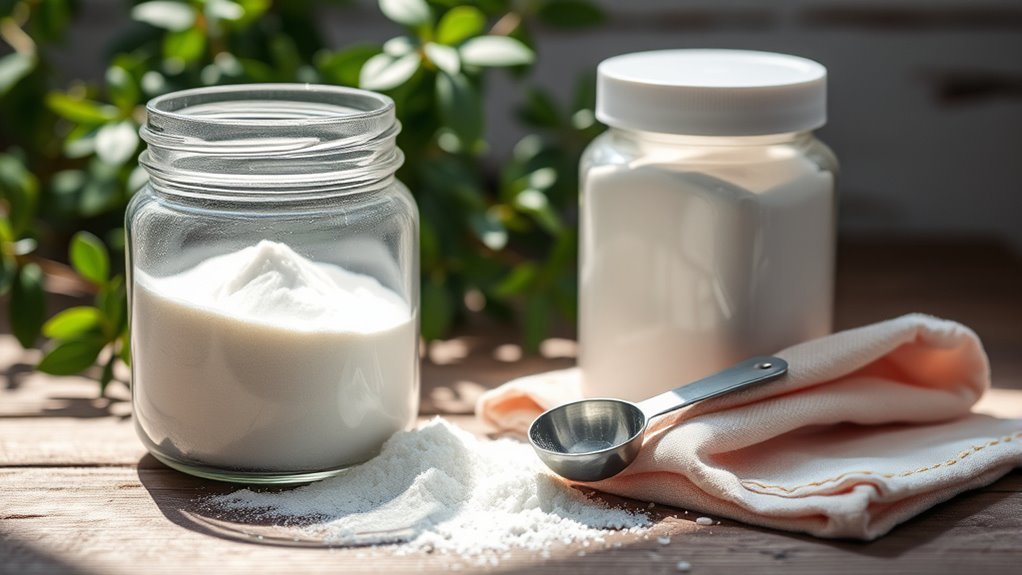
To keep it safe, store it in a cool, dry place away from moisture and direct sunlight. Always close the lid tightly to prevent any contamination or moisture from getting in.
Checking for these signs before use helps protect your baby’s skin.
Keep these tips in mind to guarantee safe, effective use over time. That way, you can feel confident that the baby powder is doing its job without any risks.
Key Takeaways
- Baby powder typically expires within 2 to 3 years; always check the expiration date on the packaging.
- Signs of expired powder include clumping, musty smell, discoloration, gritty texture, and faded fragrance.
- Using expired baby powder may cause skin irritation, diaper rash, and increase infection risks.
- Store baby powder in a cool, dry place away from moisture, heat, and direct sunlight to preserve quality.
- Always keep the lid tightly closed and regularly inspect the powder and packaging for any signs of degradation.
How to Tell If Baby Powder Has Expired
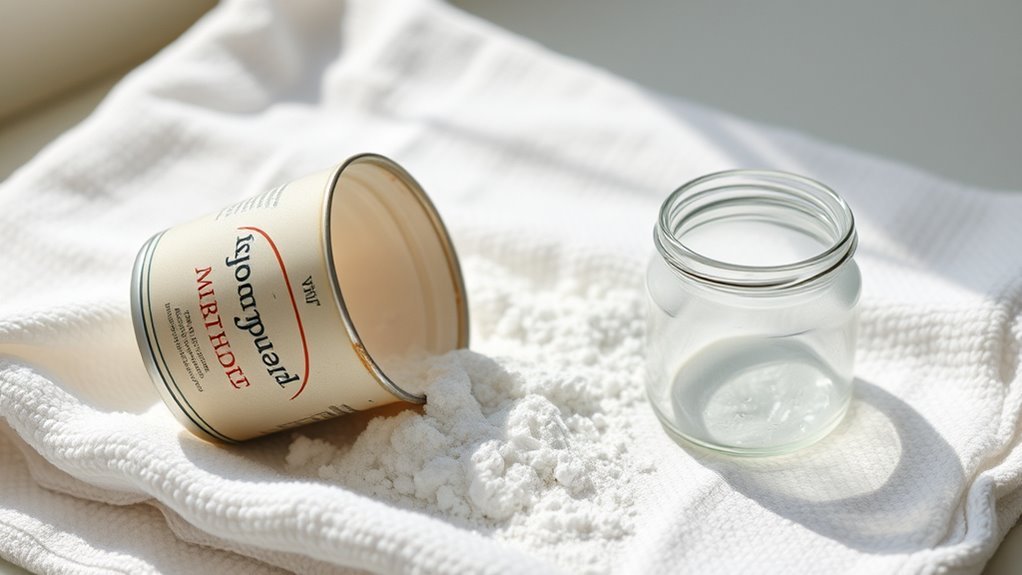
How can you tell if your baby powder has expired? First, check the expiration date printed on the packaging, usually on the bottom or back label. Baby powder typically has a shelf life of 2 to 3 years.
Signs of expired baby powder include clumping, a musty smell, faded fragrance, or gritty texture—these often result from moisture exposure. If you notice any discoloration or if the old bottle’s packaging shows damage, it’s best to discard the product.
Using expired baby powder increases the risk of skin irritation and can contribute to diaper rash or infections. To keep your baby safe, always inspect the powder and packaging before use.
And remember, storing baby powder properly helps maintain its effectiveness throughout its shelf life. So, a quick check before each use can go a long way!
Best Practices for Storing Baby Powder Safely
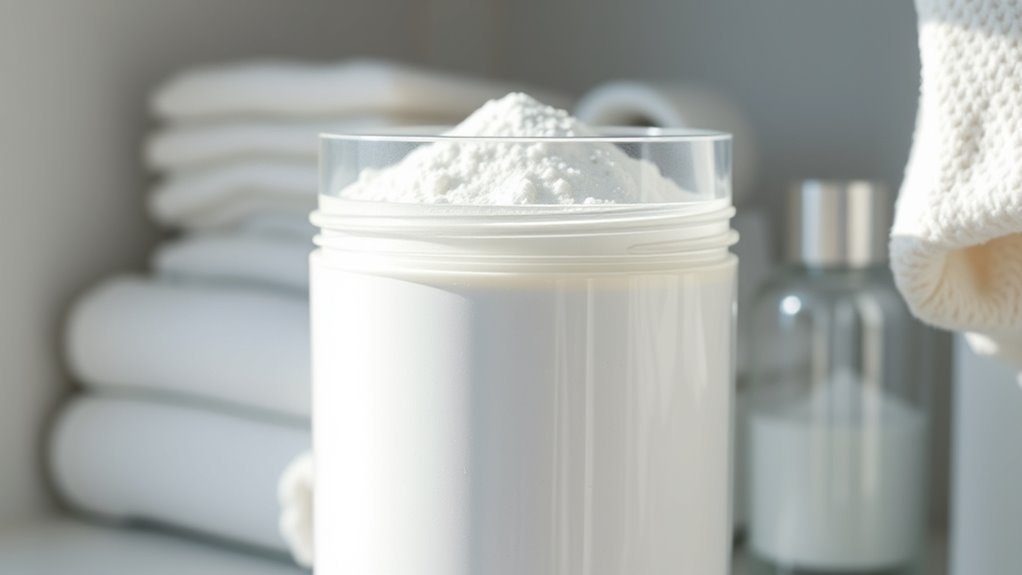
After checking the expiration date and inspecting your baby powder for signs of spoilage, proper storage becomes key to keeping it safe and effective. To store your baby powder correctly, follow these best practices:
Keep the powder in a cool, dry place away from moisture. Try to avoid bathrooms since the humidity there tends to be pretty high.
Store baby powder in a cool, dry area, avoiding humid places like bathrooms to maintain its quality.
Always make sure the lid is tightly closed after use. This helps prevent moisture and contaminants from getting in.
Avoid exposing the packaging to direct sunlight. Sunlight can degrade the powder’s effectiveness over time, so it’s best to keep it in a shaded spot.
Regularly check for signs of degradation like clumping, discoloration, or faded fragrance. Also, inspect the packaging for any damage that might let moisture sneak in.
Frequently Asked Questions
What Can I Do With Expired Baby Powder?
You can use expired baby powder to remove wet sand after the beach. It works great for that!
You can also sprinkle it before haircuts to stop hair from sticking. Pretty handy, right?
It’s perfect for absorbing moisture in shoes, which helps keep them fresh. Plus, you can use it to teach fingerprinting.
And if you have an oil spill around the house, baby powder can help clean it up. So, don’t toss that expired baby powder just yet!
What Happens if I Use Expired Baby Powder?
If you use expired baby powder, you might face skin irritation, discomfort, or chafing because the ingredients break down and bacteria or mold can grow.
It’s best to avoid using it to keep your skin safe. Better safe than sorry, right?
Why Is Baby Powder No Longer Recommended?
You shouldn’t use baby powder anymore because it can cause respiratory problems and might contain harmful talc linked to cancer.
Instead, try safer alternatives like cornstarch-based powders to protect your baby’s skin without risks.
It’s just a smarter choice to keep your little one safe and comfortable!
How Long Does Johnson’s Baby Powder Expire?
Wondering how long Johnson’s Baby Powder lasts? It typically expires about three years from the manufacturing date.
If you don’t see an expiration, toss it after three years to keep things safe and effective for your baby.
Conclusion
Think of baby powder like a favorite book on your shelf—if left too long, it might lose its charm or gather dust. Just as that book’s pages can yellow over time, baby powder can lose effectiveness or even irritate your baby’s skin if expired.
By storing it in a cool, dry place and checking the date, you keep it fresh and safe. This simple care ensures every use feels as gentle as a loving hug. Proper storage and awareness of expiration are key to maintaining baby powder’s softness and safety for your little one’s delicate skin.