What Is the Placenta’s Role in Baby Development?
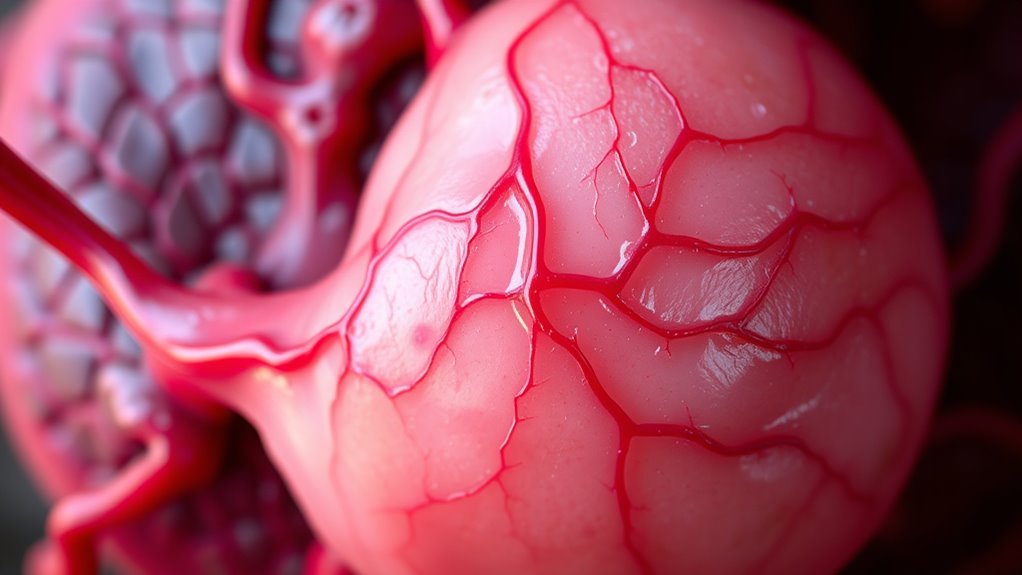
You rely on the placenta to deliver oxygen, nutrients, and crucial hormones that support your baby’s growth and keep them healthy.
This amazing organ regulates blood flow and removes waste, making sure your little one gets everything they need.
It also protects your baby by transferring antibodies, which help fight off infections.
The placenta plays a key role in maintaining your pregnancy and ensuring proper fetal development.
While complications can sometimes arise, regular monitoring helps manage these risks effectively.
If you want to understand all its essential functions and potential issues, there’s more to explore.
Learning about the placenta gives you a better grasp of how your baby grows and stays safe inside you.
Key Takeaways
- The placenta delivers oxygen and essential nutrients to the fetus through the umbilical cord for proper growth. It’s like the baby’s lifeline, making sure everything needed is getting through.
- It also removes waste products like carbon dioxide, keeping the fetal environment clean and safe. This way, the baby stays comfortable and healthy inside.
- The placenta produces hormones such as estrogen and progesterone to sustain pregnancy and support fetal development. These hormones play a big role in keeping everything on track.
- Plus, it transfers maternal antibodies to the baby, which helps boost the fetal immune system and protect against infections. It’s like giving the baby a head start on fighting germs.
- Proper placental function is crucial for healthy fetal development. That’s why regular healthcare monitoring is so important throughout pregnancy.
How the Placenta Helps Your Baby Grow
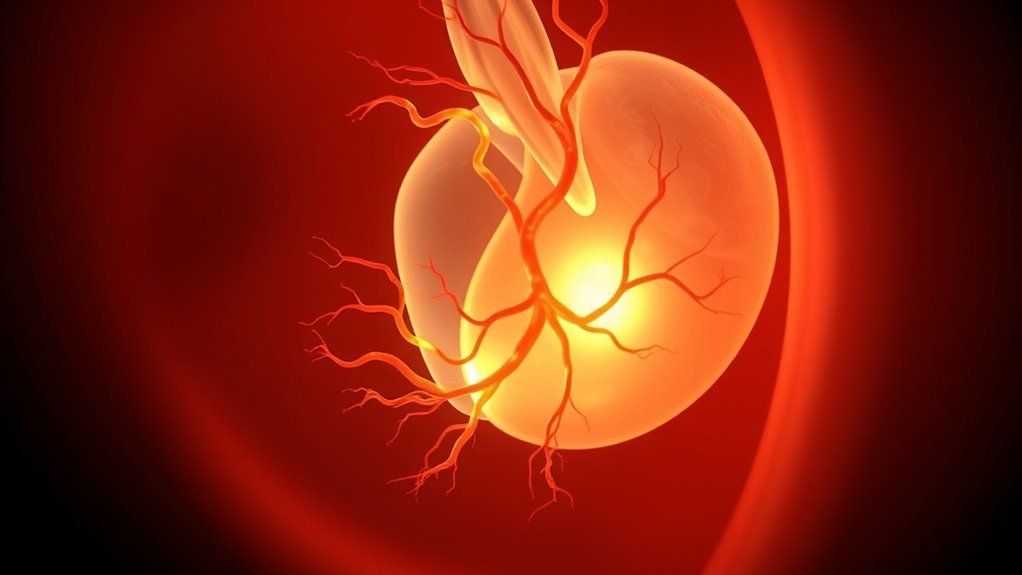
Because your baby depends entirely on you for nourishment, the placenta plays an essential role in supporting growth by delivering oxygen and important nutrients through the umbilical cord. This significant organ regulates blood flow between you and your baby, ensuring the fetus receives everything needed for healthy fetal development.
The placenta also acts as an endocrine organ, producing hormones like estrogen and progesterone to maintain pregnancy and promote maturation. Additionally, it removes waste products such as carbon dioxide, keeping your baby’s environment clean and safe.
Beyond nourishment and waste management, the placenta supports your baby’s immune system by transferring antibodies, helping protect against infections. In all, the placenta is key to sustaining and nurturing your baby throughout pregnancy, making sure growth proceeds smoothly.
Placental Problems That Might Affect Your Baby
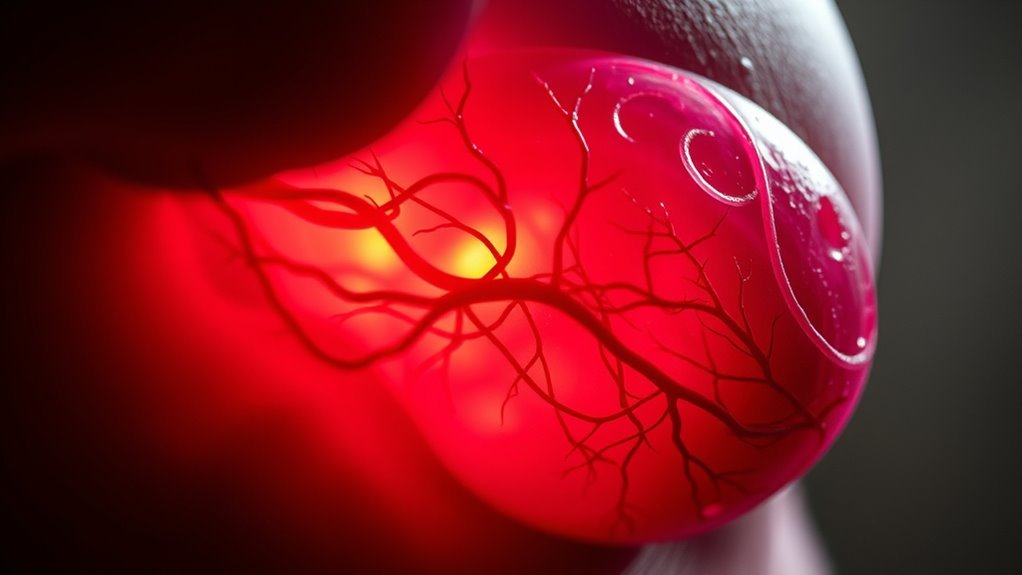
While the placenta plays a vital role in nurturing your baby, certain complications can arise that impact both your health and your baby’s development. Placental abruption happens when the placenta prematurely separates from the uterine wall, causing severe bleeding and cutting off your baby’s oxygen and nutrients.
Placenta previa occurs if the placenta covers the cervix, leading to dangerous bleeding during pregnancy or delivery. Placental insufficiency means your placenta isn’t supplying enough oxygen and nutrients, which can restrict fetal development and increase stillbirth risk.
Placenta accreta involves the placenta attaching too deeply into the uterine wall, complicating delivery and causing severe bleeding. These medical problems require careful monitoring to protect you and your baby from serious harm. It’s important to stay in close contact with your healthcare provider if you have any concerns.
Frequently Asked Questions
Does the Father Have Anything to Do With the Placenta?
Yes, you do have a role in the placenta. Your genes influence its development, hormone production, and nutrient transport.
Also, your age and lifestyle can impact placental health. This, in turn, affects your baby’s growth and pregnancy outcomes.
What Do Hospitals Do With Your Placenta After You Give Birth?
Hospitals typically treat your placenta as biohazard waste and safely dispose of it. But about 20% of hospitals let you take it home for personal use.
They also check it for abnormalities to protect your health. So, it’s not just tossed out without a quick look. This helps make sure everything is okay after your delivery.
Can a Fetus Survive Without a Placenta?
No, a fetus can’t survive without a placenta. It delivers oxygen and nutrients and removes waste.
Without it, your baby would face severe oxygen deprivation and nutrient deficiency within minutes. That makes survival impossible.
In Which Month Is the Placenta Fully Developed?
By the fifth month, your placenta is fully developed. It grows about 9 inches long and weighs over a pound by delivery.
It becomes your baby’s lifeline. This means it’s essential for oxygen, nutrients, and hormone support throughout pregnancy.
Conclusion
As you imagine the placenta as a lifeline, think of it as a vibrant garden nurturing your baby’s growth. It feeds, protects, and breathes life into your little one, ensuring every tiny cell thrives.
But if this garden faces storms—like placental problems—it can affect your baby’s journey. By understanding its essential role, you’re better prepared to nurture this precious connection.
The placenta’s role in baby development is truly amazing. It supplies nutrients, removes waste, and supports oxygen flow, making sure your baby grows strong and healthy. When you know how important the placenta is, you can take steps to support its health.
So, by caring for this vital organ, you help your baby blossom into the world with a strong foundation. Understanding the placenta’s role means you’re nurturing your baby’s growth, protection, and overall development every step of the way.






10 Comments