What Is a Baby Goat Called?
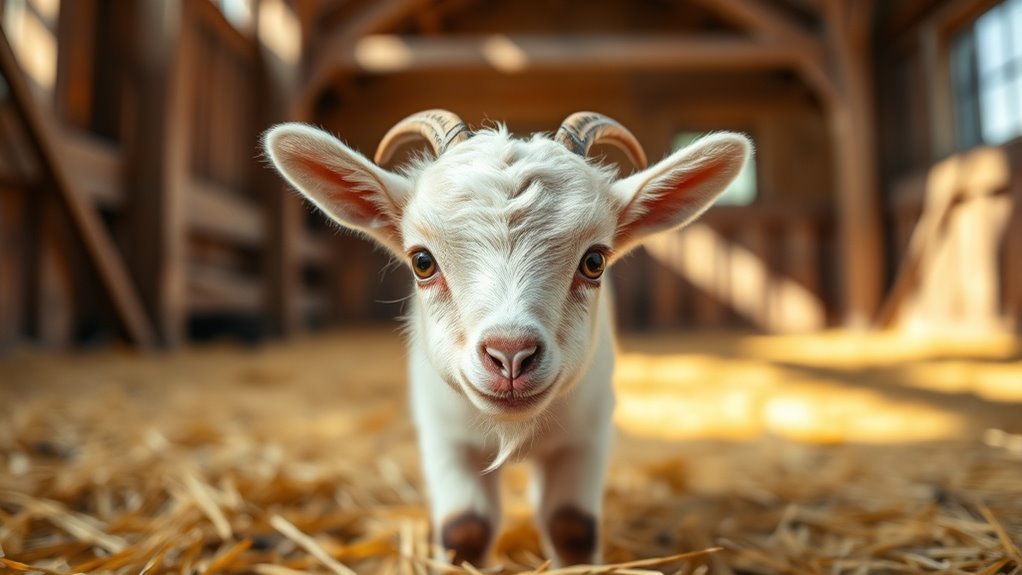
You call a baby goat a “kid,” which helps you communicate clearly about their care and growth. Knowing what to call a baby goat is important if you want to understand their development and how to care for them properly.
Young males are called bucklings, and young females are doelings, while adult females are known as does. These terms make handling baby goats easier and support their well-being.
Kids rely on their mother’s milk and strong bonds for good health as they grow.
If you want to understand how baby goats develop and thrive, there’s more to discover ahead.
Key Takeaways
- A baby goat is called a “kid.” The term “kids” is used when talking about all baby goats together.
- If the young baby goat is male, it’s called a buckling. For the females, they go by the name doelings.
- When goats grow up, the adult females are called does. It’s pretty interesting how many different names they have!
What a Baby Goat Is Called : And Why It’s Good to Know
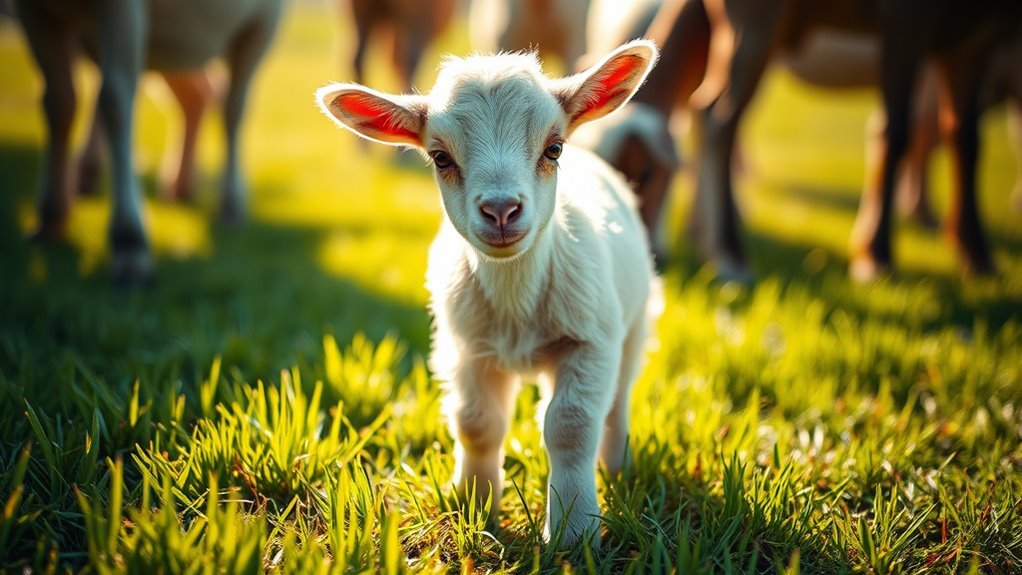
A baby goat is called a “kid,” a term that helps you easily distinguish it from other young livestock like lambs or calves. Knowing this helps you communicate clearly, especially around goat enthusiasts or caretakers.
When you hear “kids,” it refers to all baby goats, but you can get more specific. Young male goats are called bucklings, while young female goats are called doelings. As they grow, a female goat is called a doe.
Understanding these terms isn’t just about names—it’s crucial during kidding, the birthing process, so you can provide proper care and management. Getting familiar with these terms guarantees you’re prepared and confident when handling baby goats.
How Baby Goats Grow and What Makes Them So Special
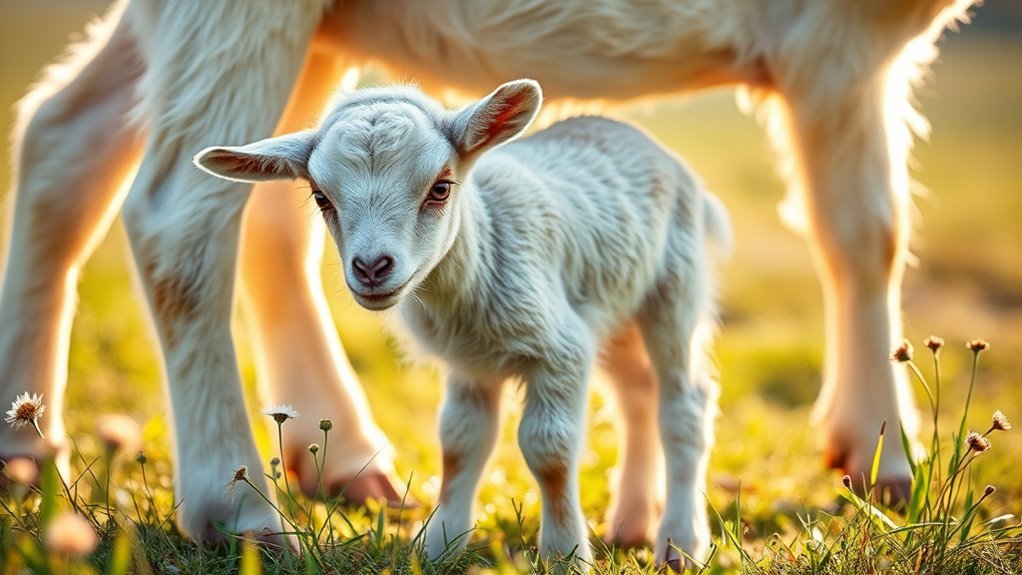
Knowing what a baby goat is called helps you appreciate the early stages of their life, especially how they grow and develop. Baby goats, or kids, go through fascinating changes from birth after kidding.
Here’s what makes their growth so special:
- Kids are social animals, forming close bonds with their mothers and herd. This supports their emotional and physical health.
- They start exploring shortly after birth, showing curiosity and agility. This helps promote learning and development.
- Kids rely on their mother’s colostrum early on to build a strong immune system. This is essential for their survival.
- By 8 to 12 weeks, kids are typically weaned. They shift to solid food to meet their growing nutritional needs.
Understanding these stages helps you see why baby goats are truly remarkable.
Frequently Asked Questions
Why Do We Call Human Children Kids?
You call human children “kids” because the term originally described young goats, symbolizing playfulness.
Over time, it naturally shifted to mean children, capturing their lively, energetic nature in a casual, friendly way you still use today.
What Is a Litter of Goats Called?
A litter of goats is called a “kidding.” When goats give birth, they usually have one to three kids, sometimes even more.
This whole birthing process is also known as kidding. You’ll definitely see a lot of excitement during kidding season!
What Animal Faints When Scared?
About 1 in 3 fainting goats stiffen and fall when scared. You’ll notice they don’t actually lose consciousness—they just experience muscle stiffness due to myotonia congenita.
This makes them unique among animals that seem to faint. It’s pretty interesting how their muscles lock up like that, right?
What Are Small Goats Called?
Small goats are called kids. You’ll hear male kids called bucklings and females called doelings.
When you see a tiny goat, it’s usually a kid, especially if it’s under a year old or just recently weaned. Makes it pretty easy to tell, right?
Conclusion
Now that you know a baby goat is called a kid, you might think that’s all there is to it—but wait! These little creatures grow fast and have some surprising traits that set them apart.
Next time you see a playful kid bouncing around, you’ll understand why they’re so special. So, keep watching closely; there’s more to discover about these charming animals than you ever imagined!
Baby goats, or kids, are full of energy and curiosity, making them a joy to watch. Their quick growth and playful nature are just the beginning of what makes them unique. Understanding what a baby goat is called is just the start—getting to know their behavior and characteristics helps you appreciate them even more.
So, whether you see a kid on a farm or in a petting zoo, remember there’s a lot more to these baby goats than just their name!