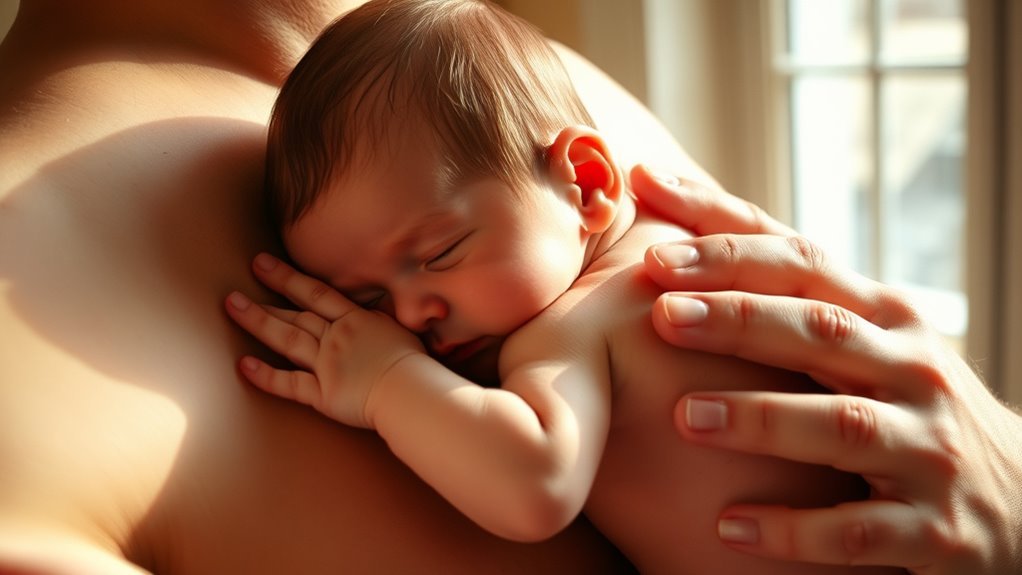
What Is a Velcro Baby and How Do You Care for One?
A Velcro baby clings closely to you, especially between 6 to 9 months, showing secure attachment and trust. This clinginess is a normal phase where your baby feels safest when near you.
It’s called a Velcro baby because they stick to you like Velcro, wanting constant closeness and comfort.
You can care for this clinginess by offering gentle reassurance and keeping a predictable routine. Practicing brief separations helps boost your baby’s confidence little by little.
Physical closeness, like babywearing, is a great way to soothe them and stay connected.
But don’t forget about your own self-care—it’s important to stay balanced while meeting your baby’s needs.
If you want to understand how to nurture both your baby’s needs and your well-being, there’s plenty more to explore.
Key Takeaways
- Velcro babies show clingy behavior, especially between 6 to 9 months, due to normal separation anxiety and secure attachment. It’s totally natural for them to want to stay close.
- Providing consistent reassurance and a predictable routine helps reduce anxiety and fosters a sense of safety. When your baby knows what to expect, they feel more secure.
- Using babywearing and gentle encouragement supports closeness while promoting gradual independence. It’s a great way to stay connected while giving them space to grow.
- Establishing regular feeding, play, and nap schedules creates stability and eases transitions for the baby. Routine really is key for these little ones.
- Caregivers must prioritize self-care to maintain emotional balance and provide effective support for their Velcro baby. You can’t pour from an empty cup, so taking care of yourself matters too.
What Is a Velcro Baby and Why Do They Cling?
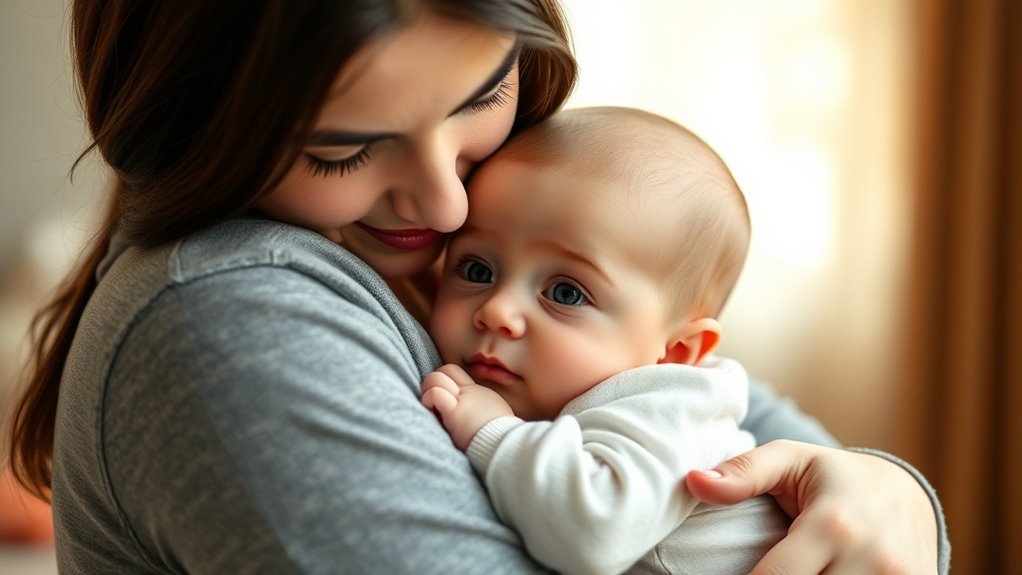
Although it can be challenging, understanding why a Velcro baby clings can help you respond with patience and care. A Velcro baby shows clingy behavior as a normal part of child development, especially between 6 to 9 months when separation anxiety peaks.
This need for connection isn’t manipulative; it signals a secure attachment and your baby’s trust in you. When your little one clings more during changes like illness or hunger, it’s their way of seeking comfort.
You can respond to your baby by providing reassurance within a predictable routine, balancing closeness with respect for personal space. Recognizing clinginess as healthy helps you support your baby’s emotional growth while maintaining your own well-being.
How to Care for Your Velcro Baby Without Losing Yourself
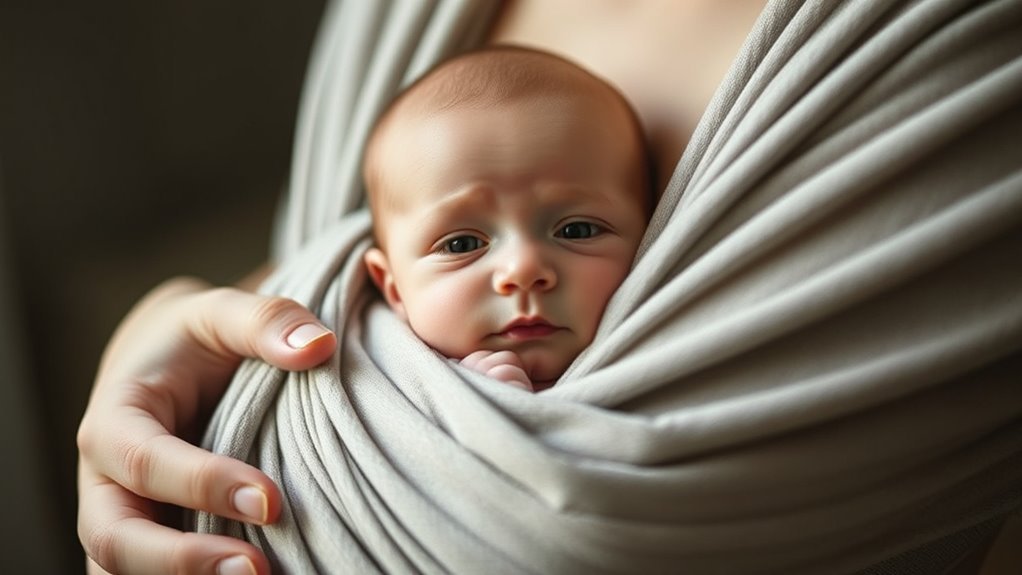
When you care for a Velcro baby, balancing their need for closeness with your own well-being is essential. Embrace your clingy baby’s behavior as part of their secure bond and emotional development.
Establish a predictable routine to help your baby feel safe, reducing anxiety and clinginess. Use babywearing to keep your Velcro baby close while freeing your hands for daily tasks.
Practice short separations to gently introduce personal space, helping your baby build confidence and independence. Don’t forget self-care—take small breaks during naps or playtime to recharge and avoid feeling overwhelmed.
Frequently Asked Questions
How Long Does a Baby Stay a Velcro Baby?
A baby usually stays a Velcro baby for about 6 to 12 months, but it varies.
You’ll notice clinginess peaks around 6 to 9 months, then gradually lessens as they gain confidence and independence.
It’s pretty normal for babies to be super attached during this time.
They’re just figuring out the world and want to feel safe with you nearby.
What Causes a Baby to Become a Velcro Baby?
You’ll notice a baby becomes Velcro due to their need for comfort, especially during separation anxiety, hunger, tiredness, or illness. Their temperament and changes in routine also make them clingy as they seek security and emotional regulation.
It’s totally normal for babies to act this way. They’re just trying to feel safe and calm when things feel a bit overwhelming. So, if your little one is extra clingy, it’s usually their way of saying they need a little extra love and reassurance.
What Is a Bubble Baby Vs Velcro Baby?
A bubble baby craves protection and avoids challenges, while a Velcro baby seeks constant closeness for comfort.
You’ll notice bubble babies are sheltered, and Velcro babies cling, needing reassurance to feel secure and explore safely.
How to Get a Velcro Baby to Sleep Alone?
Getting your Velcro baby to sleep alone is like planting seeds of trust—start with short separations. Use comforting routines and objects to help them feel secure.
Say gentle goodbyes, and be consistent with your approach. You’ll nurture confidence and enjoy peaceful nights together.
Conclusion
Caring for a velcro baby can feel overwhelming, but it doesn’t mean you’re trapped or failing. You’re simply responding to their deep need for closeness and security.
Remember, this phase is temporary, and your love helps build their confidence. So, don’t hesitate to ask for support or take brief breaks—you’re not alone.
Embrace the challenge with patience, knowing your gentle care now creates a strong foundation for your child’s future independence. Taking care of a velcro baby requires understanding and lots of love, but it also means setting the stage for their growth. With time, your velcro baby will feel safe enough to explore the world on their own. So hang in there, keep offering comfort, and know that your efforts are helping your little one thrive.






3 Comments