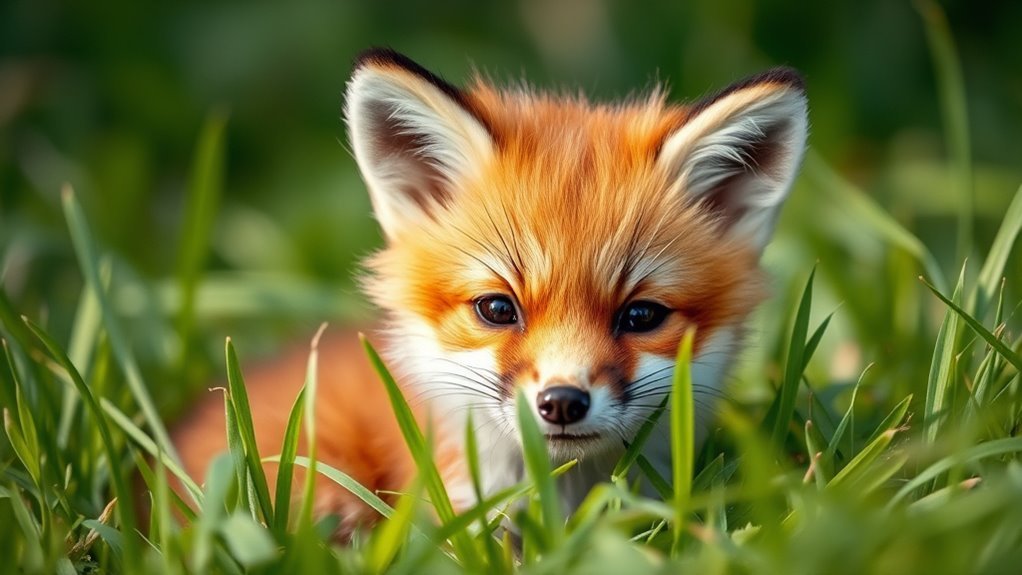
What Is a Baby Fox Called?
A baby fox can be called a kit, pup, or cub, depending on where you are or which organization you follow. These different names for a baby fox reflect regional and cultural preferences.
For example, the British Mammal Society and BBC often use “cubs,” while the National Wildlife Federation prefers “pups.” The Humane Society, on the other hand, sticks with “kits.”
It’s interesting to see how language varies when talking about baby foxes.
If you’re curious about how to spot when a baby fox might need your help, there’s more to discover. Understanding these little details can help you appreciate these clever animals even more.
Key Takeaways
- Baby foxes are commonly called kits, pups, or cubs depending on region and organization.
- The British Mammal Society and BBC prefer the term “cubs” for baby foxes. The National Wildlife Federation typically uses “pups” to refer to baby foxes.
- The Humane Society usually calls baby foxes “kits.” Naming varies, reflecting regional and organizational preferences for baby foxes.
What Are Baby Fox Names: And Why?
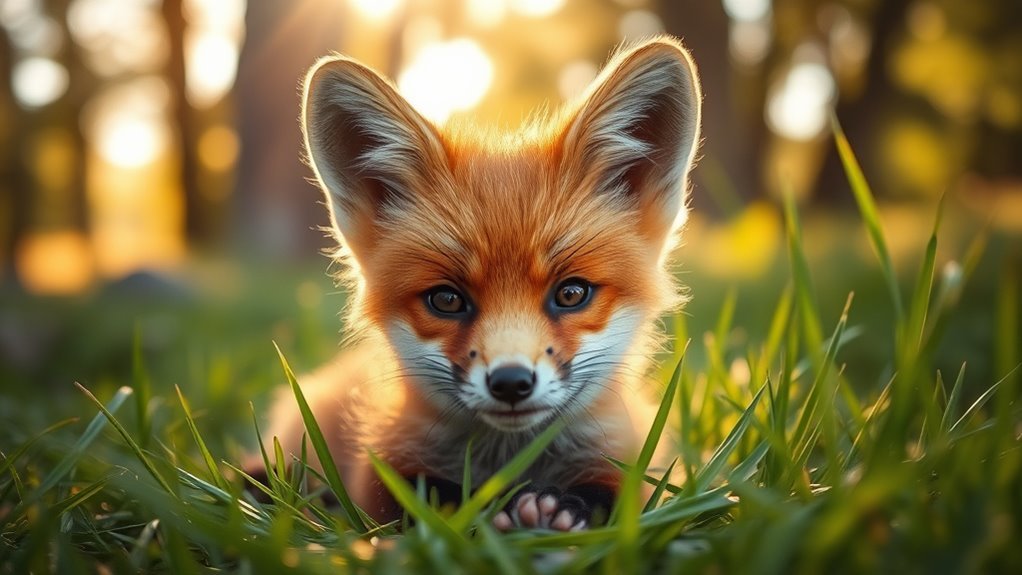
What do you call a baby fox? The answer isn’t straightforward because baby foxes have several names. You might hear them called kits, pups, or cubs depending on where you are or who’s talking.
For example, the British Mammal Society and BBC prefer “cubs,” while the National Wildlife Federation in the US uses “pups.” The Humane Society sticks with “kits.” If you’re a wildlife rehabilitator, you probably use “kits” most often.
Red fox kits are born with gray fur and blue eyes that change as they grow. Litter sizes vary, but Arctic foxes can have the largest litters—sometimes up to 19 kits! This variety in names highlights how diverse and fascinating baby foxes really are.
How Can You Tell If a Baby Fox Needs Help?
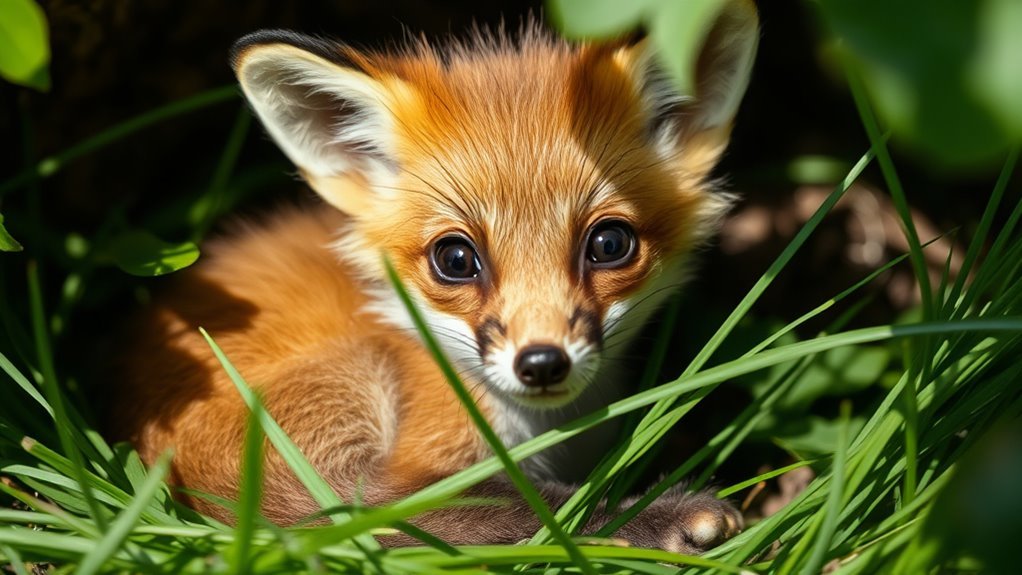
How can you tell if a baby fox needs help? If you find a kit alone for over two hours, especially with closed eyes, it might be very young and vulnerable.
Look for signs of distress like frequent vocalizations, flies, or lethargy. If the kit is outside its den without its mother for a long time, it could be orphaned and require immediate help.
| Signs of Distress | What to Do |
|---|---|
| Flies or fly eggs | Contact a wildlife rehabilitator |
| Frequent vocalizing | Monitor and keep the kit safe |
| Injuries or lethargy | Seek immediate professional help |
For the kit’s survival, always involve a permitted wildlife rehabilitator when you suspect injury or orphaning. It’s really the best way to make sure the little one gets the care it needs.
Frequently Asked Questions
What Is the Proper Name for a Baby Fox?
You call a baby fox a kit, though some say cub or pup depending on where you are. Wildlife groups mostly agree on kits.
You’ll notice they need lots of care during their early weeks. It’s pretty interesting how much attention these little guys require!
What Baby Is Called a Kit?
A baby fox is called a kit. When you see young foxes, they’re often called kits because they rely on their parents completely at first.
They open their eyes around two weeks old and start exploring nearby when they’re about four weeks old. It’s pretty amazing how quickly they begin to discover the world around them!
What Is a Litter of Foxes Called?
A group of baby foxes is called a litter. You’ll find litters usually have 3 to 6 kits born in dens during spring.
Fox parents care for and teach their kits until they’re ready to explore. It’s pretty amazing how much attention these little ones get before they start venturing out on their own!
What to Do if a Fox Stares at You?
When a fox locks eyes with you like a curious shadow, stay calm and still. Don’t flinch or shout; instead, slowly back away.
Give it room to vanish like mist in the morning sun. Just take your time and let it go.
Conclusion
Now that you know a baby fox is called a kit, cub, or pup, you’re better equipped to understand these little creatures. If you ever see one alone, don’t jump to conclusions—sometimes mom is just out hunting.
But if the kit looks injured or in danger, it’s time to step in and help. Remember, every cloud has a silver lining, and your care can make all the difference to a baby fox’s future.
Taking a moment to recognize and protect a baby fox, whether it’s a kit, cub, or pup, shows how much we value wildlife. These little foxes need our kindness and attention to grow up healthy and strong. So next time you spot a baby fox, you’ll know exactly what to call it and what to do to help!