At What Age Do Baby Teeth Fall Out?
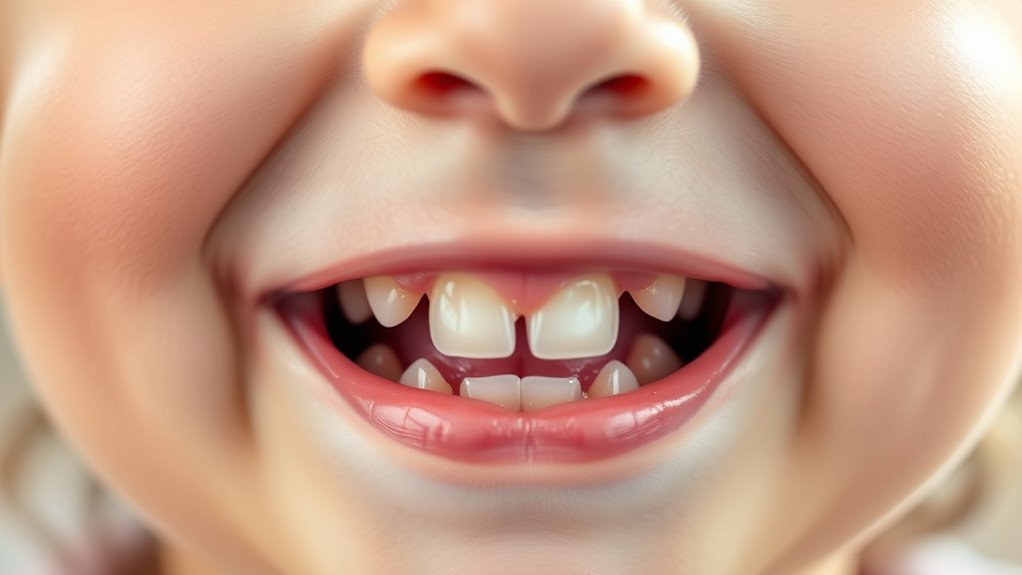
You’ll usually see your child’s baby teeth start falling out around age 6, which is a normal part of growing up. This process typically begins with the lower central incisors.
Baby teeth falling out is an important milestone that makes way for permanent teeth to come in.
Next, the upper central incisors usually fall out between ages 7 and 8. Then, the lateral incisors follow from about 8 to 10 years old. It’s all part of the natural sequence as your child’s smile changes.
First molars and canines typically fall out between 9 and 11 years of age.
If your child loses teeth too early or hasn’t lost any by age 7, it’s a good idea to check with a dentist. Keeping an eye on this helps you understand what’s typical and when to seek advice, making sure your child’s teeth develop healthily.
Key Takeaways
- Baby teeth typically start falling out around age 6, beginning with the lower central incisors.
- Upper central incisors usually fall out between ages 7 and 8. Lateral incisors are lost between ages 8 and 10.
- First molars and canines usually fall out between ages 9 and 11.
- If no baby teeth are lost by age 7, a dental visit is recommended. It’s a good idea to get things checked out just to be safe.
When Do Baby Teeth Usually Start to Fall Out?
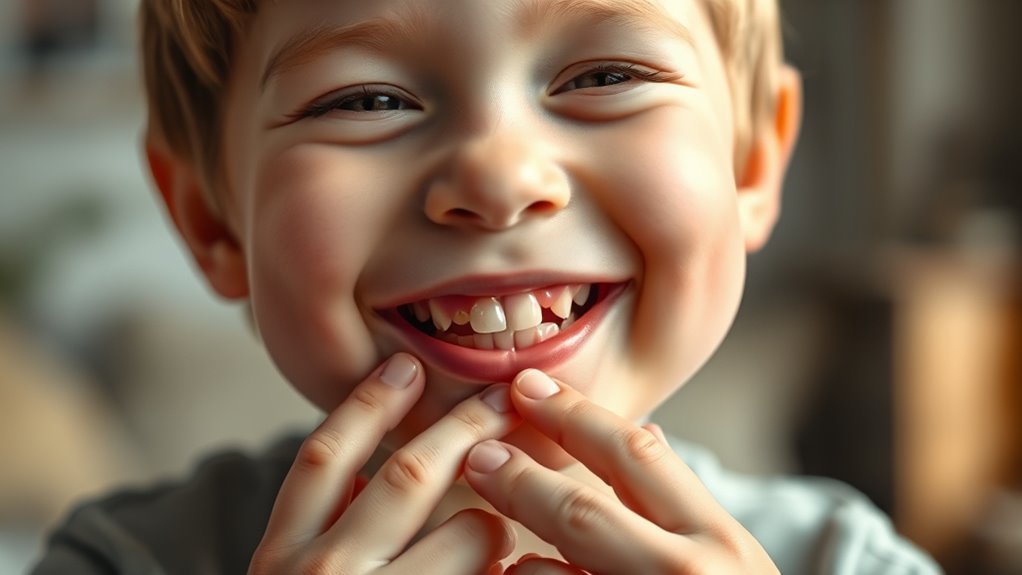
When do baby teeth usually start to fall out? Most children begin losing teeth around age 6, with the lower central incisors being the first to fall out. Pediatric dentistry notes that the order of tooth loss typically follows the order in which baby teeth erupted.
After the lower central incisors, the upper central incisors fall out, usually between ages 7 and 8. Children then lose lateral incisors between ages 8 and 10, followed by first molars and canines from ages 9 to 11.
When Should You See a Dentist About Baby Teeth Loss?

Although losing baby teeth is a natural process, you should see a dentist if your child’s tooth loss happens unusually early or late. If your child experiences early tooth loss before age 4, it may signal underlying health issues affecting their child’s health.
Similarly, if no baby teeth fall by age 7, a dental visit is essential to check development. Watch for loose teeth causing pain or those that don’t fall out after a few weeks, as a dentist may recommend treatment.
Also, if permanent teeth start to emerge behind baby teeth—a condition called “shark teeth”—consult a dentist to prevent alignment problems. Early tooth loss due to tooth decay or trauma demands prompt dental care to avoid complications and support healthy oral development.
Frequently Asked Questions
Can a 5 Year Old Lose a Tooth?
Yes, a 5-year-old can lose a tooth, especially if they’re early in the typical range or have experienced trauma or decay.
If you’re concerned, it’s always good to check with a dentist for peace of mind. Better safe than sorry, right?
Is It Normal for a 7 Year Old to Still Have Baby Teeth?
Yes, it’s normal if your 7-year-old still has some baby teeth. Kids lose teeth at different times, so don’t worry unless they haven’t started losing any.
If you’re unsure, seeing a dentist can give you peace of mind. It’s always good to check just to be safe!
What Triggers Baby Teeth to Fall Out?
You might think a tiny earthquake triggers baby teeth to fall out, but it’s actually the pressure from growing adult teeth pushing roots away.
Your body’s hormones also join the party, loosening teeth so they can exit smoothly.
What Age Is Too Late to Lose Baby Teeth?
If your child still has baby teeth after age 13, it’s too late and you should see a dentist.
Delayed loss might signal issues, so getting a dental evaluation and possibly X-rays is a smart move.
It’s better to check early than wait and wonder what’s going on. A quick visit can give you peace of mind!
Conclusion
So, when do baby teeth usually start to fall out? Typically, you’ll notice this around age six, but don’t worry if it happens a little earlier or later.
If you see any unusual pain or delayed loss, visiting your dentist is a smart move. After all, wouldn’t you want to make sure your child’s smile stays healthy and bright as their adult teeth come in?
Keep an eye out and stay proactive! Monitoring when baby teeth fall out is important for your child’s dental health. If you have concerns about the timing or any discomfort, a dentist can help ensure everything is on track. Taking care of those baby teeth and knowing when they fall out helps support a smooth transition to adult teeth and a beautiful, healthy smile.






2 Comments