What Is a Baby Turkey Called?
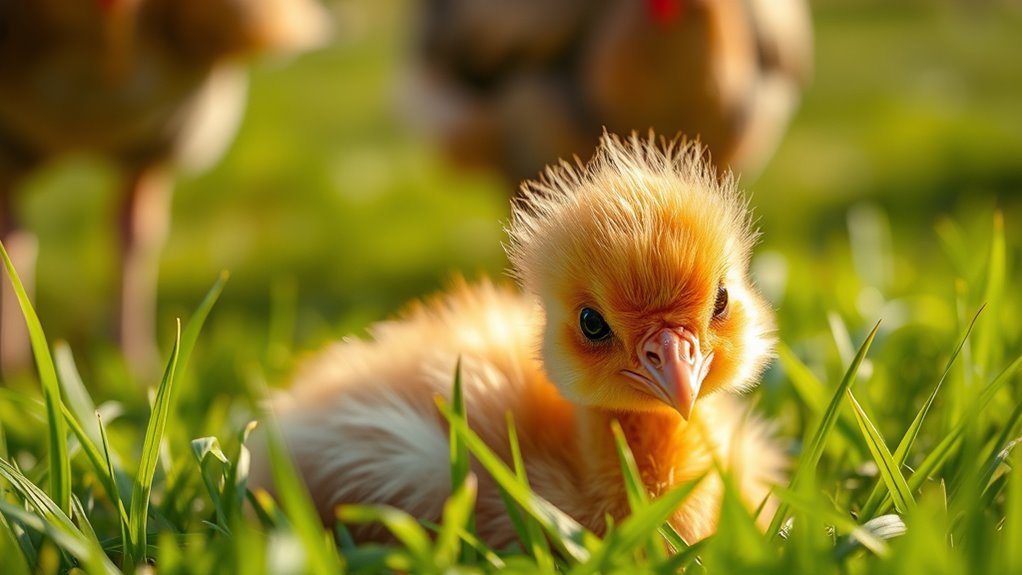
If you see a baby turkey, you’d call it a poult—that’s the common term for young domestic turkeys. These baby turkeys, or poults, are small, fluffy, and playful as they start growing.
Knowing what to call a baby turkey helps you understand more about these fascinating birds.
Once they get older, juvenile males become jakes, and females are called jennies. These names come in handy because they show clearer feathers and features, making it easier to tell their age and gender apart.
Keep exploring, and you’ll soon recognize the unique traits and behaviors of each stage. It’s pretty cool once you get the hang of it!
Key Takeaways
- A baby turkey is commonly called a “poult,” especially for domestic birds. Wild baby turkeys might be called chicks, but that’s less common.
- Juvenile male turkeys go by the name “jakes,” and juvenile females are called “jennies.”
- Poults are small, fluffy, and playful. They represent the earliest stage of a turkey’s development.
- These terms help you figure out the turkey’s age and gender. It makes identifying them a lot easier and more interesting!
What Is the Proper Name for a Baby Turkey?
When you come across a baby turkey, you’ll most often hear it called a “poult,” especially if it’s a domestic bird. Baby turkeys called poults make up the earliest stage for most turkeys you’ll see in farms or backyards.
In wild species, however, baby turkeys are sometimes called chicks, though this term isn’t as common as poult. As they grow, juvenile male turkeys are called jakes, while females are jennies.
When you see a group of turkeys, it’s interesting to note how these names reflect their age and sometimes their gender, helping you understand more about their development. So, while terminology varies slightly, turkeys are called poults in most situations when they’re young.
How Can You Tell Baby Turkeys and Juveniles Apart by Age and Gender?
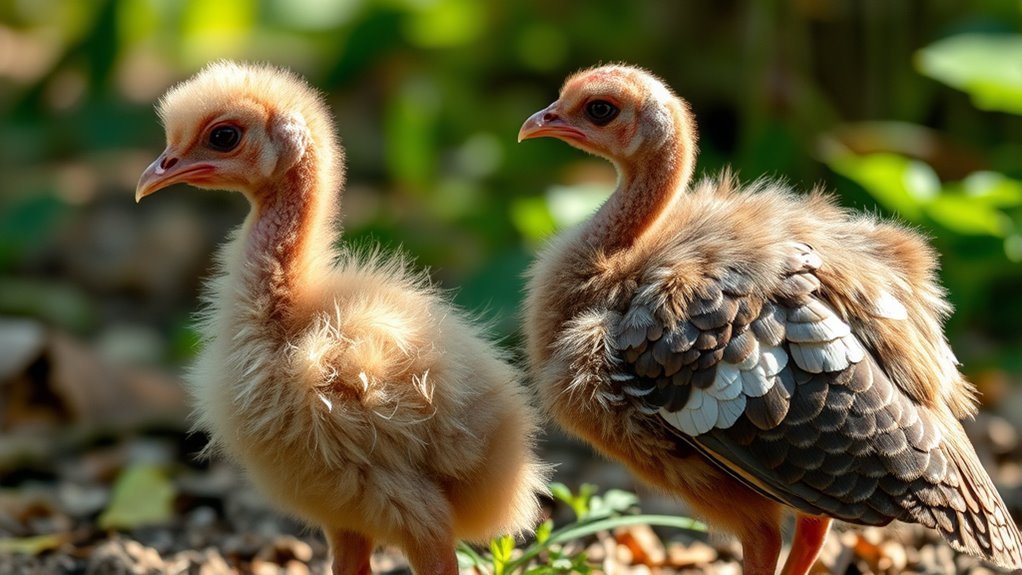
Although baby turkeys and juveniles might look similar at a glance, you can tell them apart by paying close attention to their size, feather development, and behavior.
Poults are smaller, fluffier, and more playful. Juveniles—jakes and jennies—show clearer physical traits and tend to be more cautious.
Jakes develop tail feathers and larger wattles. Jennies stay smaller with more subdued features.
| Feature | Poults |
|---|---|
| Size | Small, rounded body |
| Feathering | Fluffy, less defined |
| Behavior | Curious, playful |
| Juvenile Male | Jakes: Tail feathers grow |
| Juvenile Female | Jennies: Smaller, subtle |
Frequently Asked Questions
What Is the Proper Name for a Baby Turkey?
A baby turkey is properly called a “poult” from hatching until about 10 weeks old. You’ll often hear “chick” too, especially for wild ones.
Sometimes, people use fun names like “turcklet” or “Turkling.” It’s kind of cute, right?
What Is an Adolescent Turkey Called?
An adolescent turkey is called a jake if it’s male and a jenny if it’s female. You’ll notice jakes showing some adult feathers, while jennies keep a more juvenile look during this growth stage.
Pretty interesting, right? It’s kind of like how teenagers start to show signs of growing up, but still have some kid-like traits. Turkeys have their own version of that too!
How Do You Say Baby Turkey?
Imagine visiting a farm where you hear “poult” often—that’s what you call a baby turkey.
You’ll quickly learn that using “poult” helps you sound knowledgeable and avoid confusion with other bird babies.
What Is a Juvenile Turkey?
A juvenile turkey is a young bird between 8 to 18 weeks old, called a jake if male or jenny if female.
You’ll notice they’re developing adult feathers and starting to act more curious and social. It’s a fun stage to watch because they’re really beginning to explore their world.
Conclusion
Now that you know a baby turkey is called a poult, you might think that’s the end of the story. But wait—there’s more to discover!
As poults grow, their feathers, behavior, and even their sounds change, making it tricky to tell males from females at first. If you’re curious about spotting the differences and understanding their growth stages, keep watching closely.
You’ll be surprised at how much you can learn about these fascinating birds! Understanding what a baby turkey is called is just the beginning. Observing poults as they mature reveals a lot about turkey behavior and development. So, stay tuned to explore the world of baby turkeys and their unique traits!