What Is a Baby Bunny Called?
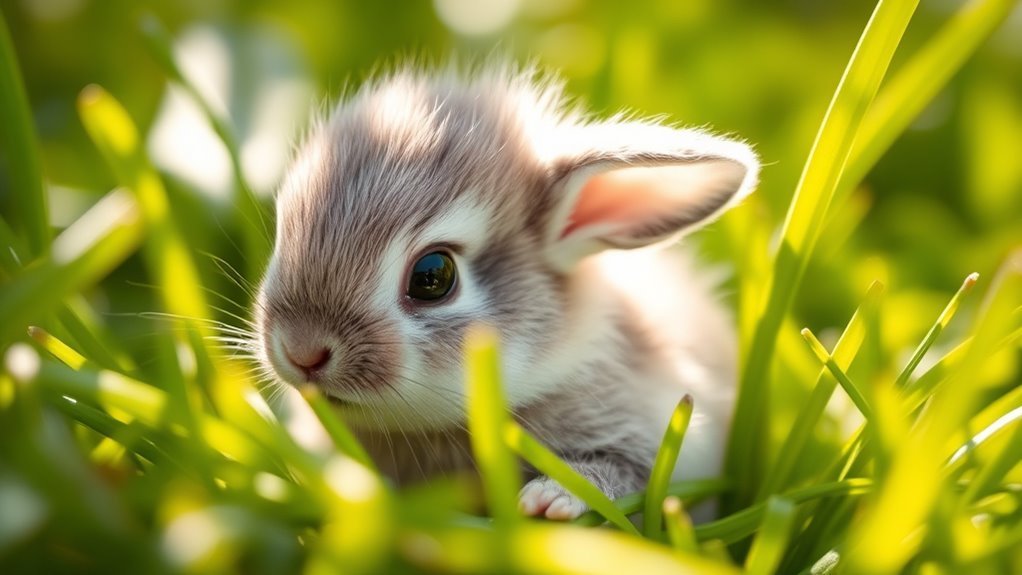
https://iloveplum.com/what-is-velcro-baby/You call a baby bunny a “kit,” which is short for kitten. Kits are born blind and hairless, so they rely heavily on their mother for warmth and nutrition.
It’s pretty amazing how tiny and vulnerable they are at first!
Around three weeks old, kits start nibbling on solid food. By about six weeks, they’re usually weaned and more independent.
It’s a big step in their growth.
As they continue to grow, kits become bunnies between six months and a year old. Knowing these stages helps you provide the best care and support for their healthy development.
Keep exploring to discover more about their growth and needs—you’ll be surprised how much there is to learn!
Key Takeaways
- A baby bunny is called a “kit,” short for kitten. Kits are born hairless and blind, fully dependent on their mother.
- The term “kit” applies until about six weeks of age during weaning. After weaning, young rabbits are often called “bunnies” between six to twelve months.
- “Bunny” is an informal term used for rabbits aged one to five years. So, when you hear “bunny,” it can mean a young or adult rabbit, depending on the context.
What Is a Baby Bunny Called? How Does the Name Change With Age?
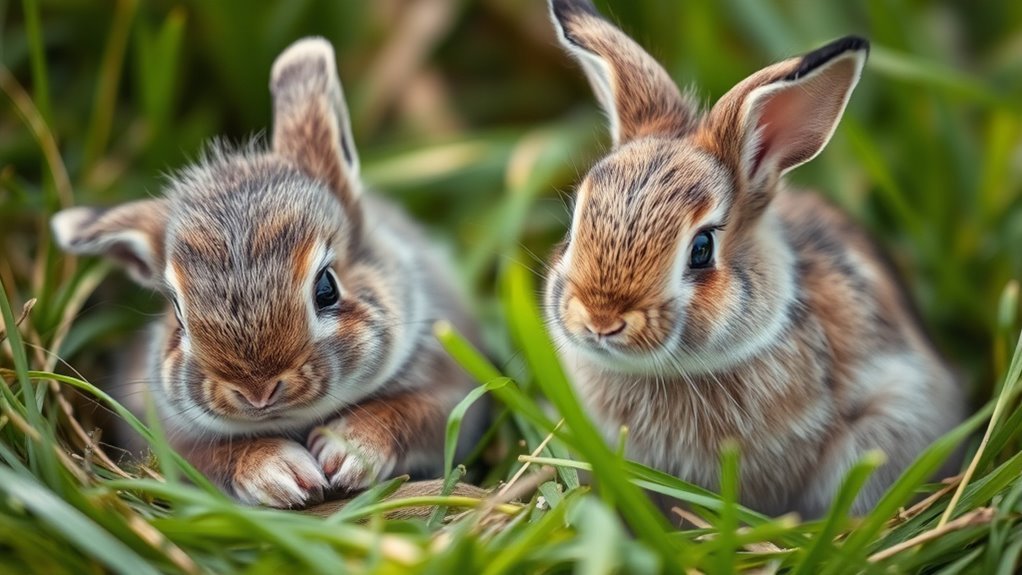
A baby bunny is called a “kit,” which is short for kitten, and you’ll find that kits are born hairless and blind. These baby rabbits depend entirely on their mother during the earliest stage of life.
As they grow, you’ll notice young rabbits starting to eat solid food around three weeks old and usually weaned by six weeks. Between six and twelve months, these young rabbits are often still called bunnies, signaling their juvenile status.
While the term “bunny” is used informally for rabbits of all ages, it especially applies to those between one and five years old, considered adults. So, from kit to bunny, the names reflect different stages in a rabbit’s development, helping you understand their growth timeline clearly.
Growth and Early Care of Baby Bunnies
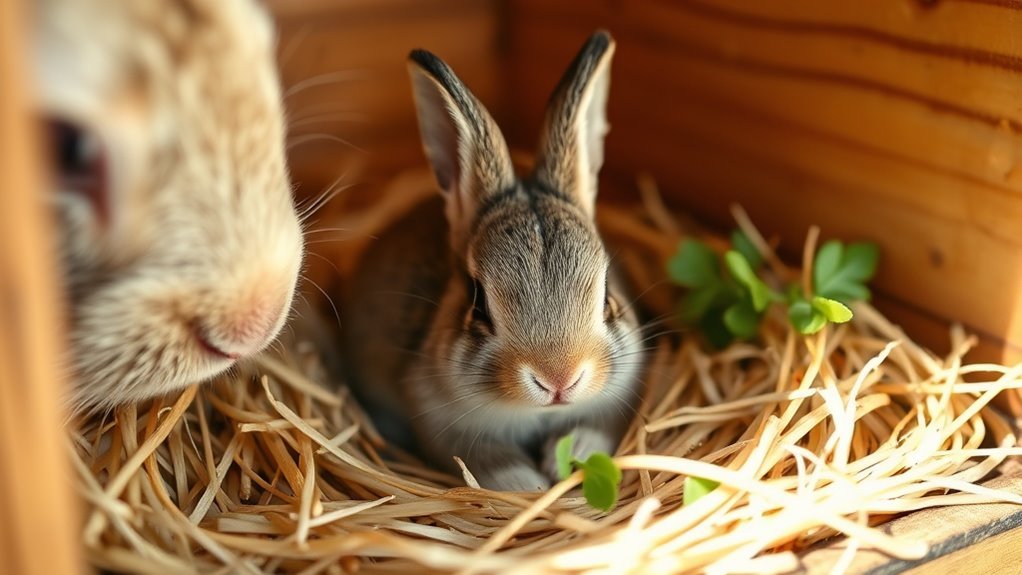
Caring for baby bunnies during their early growth stages demands attention and gentle handling. Since kits are born hairless and blind, they depend entirely on their mother for warmth and nutrition.
The mother rabbit visits the rabbits’ nest only briefly to avoid predators, so you should minimize disturbance. Keeping the nest safe and warm is vital because kits can’t regulate their body temperature yet.
Around three weeks, kits start nibbling on solid food, gradually weaning by six weeks. As you care for them, make sure they have a secure environment and avoid frequent handling during this vulnerable phase.
Regular veterinary check-ups help monitor their health and growth, making certain your baby bunnies shift smoothly from dependence to independence. It’s all about giving them the best start while letting nature do its thing.
Frequently Asked Questions
What Is the Proper Term for a Baby Rabbit?
The proper term for a baby rabbit is a “kit.” You’ll find that kits are born blind and hairless, relying on their mother until they’re about 4 to 6 weeks old.
That’s when they start eating solid food. It’s pretty interesting how quickly they grow!
What Is a Batch of Baby Bunnies Called?
A batch of baby bunnies is called a litter. When you care for them, you’ll notice the mother creates a cozy nest.
The kits depend entirely on her until they start eating solid food around 4 to 6 weeks. It’s pretty amazing how quickly they grow!
Which Animal Baby Is Bunny?
You’ll find a bunny’s baby is a rabbit’s kit, like a tiny spark of life hopping into the world. These little fluffballs grow quickly, soaking up warmth and care from their rabbit family nest.
It’s pretty amazing how fast they develop, right? Before you know it, they’re bouncing around, full of energy and curiosity.
What Is Another Name for a Baby Rabbit?
Another name for a baby rabbit is a “kit.” You’ll also hear “kitten” used sometimes, but “kit” is more common.
When you care for them, you’ll see they rely on their mother until about 4-6 weeks old. It’s pretty interesting how much they depend on her at that stage.
Conclusion
Now that you know a baby bunny is called a kit or kitten, you’re holding the key to a secret garden of fluffy wonder. Watching these tiny bundles grow is like witnessing spring bloom—full of life and promise.
Caring for them gently, you become their safe harbor, nurturing their fragile hearts as they hop toward independence. So, embrace this enchanting journey, and let your love be the warm sun that helps your baby bunny thrive.
Remember, raising a baby bunny kit requires patience, kindness, and a soft touch. Each little hop and twitch is a sign of growth and curiosity. By understanding what a baby bunny is called and how to care for it, you’re stepping into a world full of joy and gentle responsibility. Your baby bunny will flourish with your care, turning that fluffy kit into a happy, healthy bunny ready to explore.