What Are Baby Rabbits Called and How to Care for Them
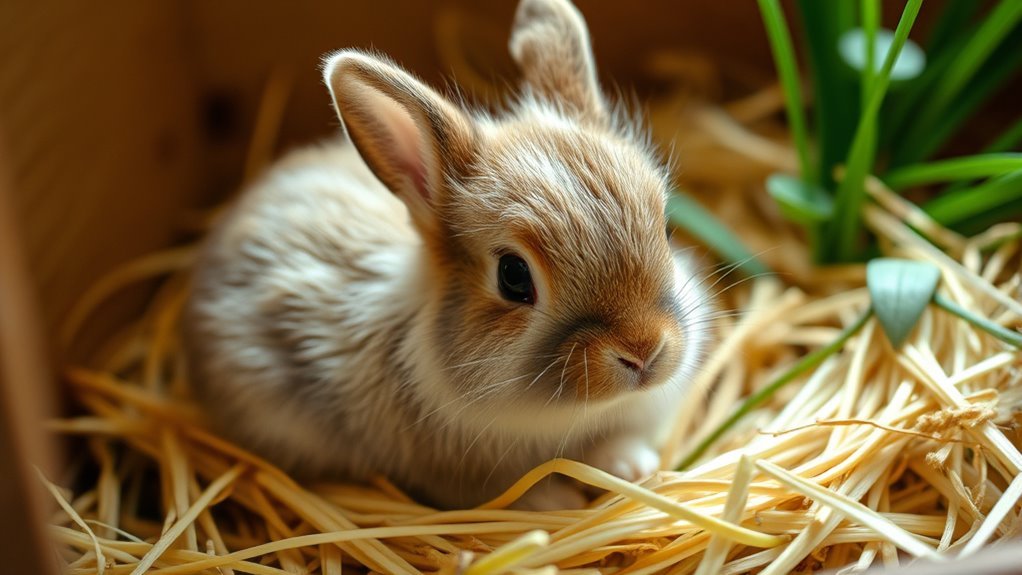
Baby rabbits, called kits or kittens, are born blind and hairless, so they need your careful care from the very start. You’ll want to provide a clean, soft nest where they can stay warm and safe.
Plus, it’s super important to make sure the mother feeds them her nutrient-rich milk, which helps boost their immunity and keeps them healthy.
Around three weeks old, these little guys begin nibbling on solid food. It’s a good idea to keep a close eye on their health by weighing them daily and watching for any signs of dehydration.
Proper care during these early stages really helps kits grow up strong and happy. Keep following along, and you’ll discover more essential tips for raising healthy baby rabbits.
Key Takeaways
- Baby rabbits are called kits or kittens and are born hairless and blind. They’re super tiny and need lots of care right from the start.
- Kits rely on their mother’s milk for nutrients and immune support during the first weeks. It’s really important they get enough milk to grow strong.
- Create a clean, soft nesting area and change bedding regularly to keep kits safe and healthy. A cozy spot helps them feel secure and protected.
- Begin introducing solid food around three weeks, with weaning completed by eight weeks. This gradual change helps their little tummies adjust.
- Monitor kits daily by weighing and checking for dehydration or health issues to ensure proper growth. Keeping an eye on them makes sure they’re doing okay every day.
Baby Rabbit Names and Early Development Stages
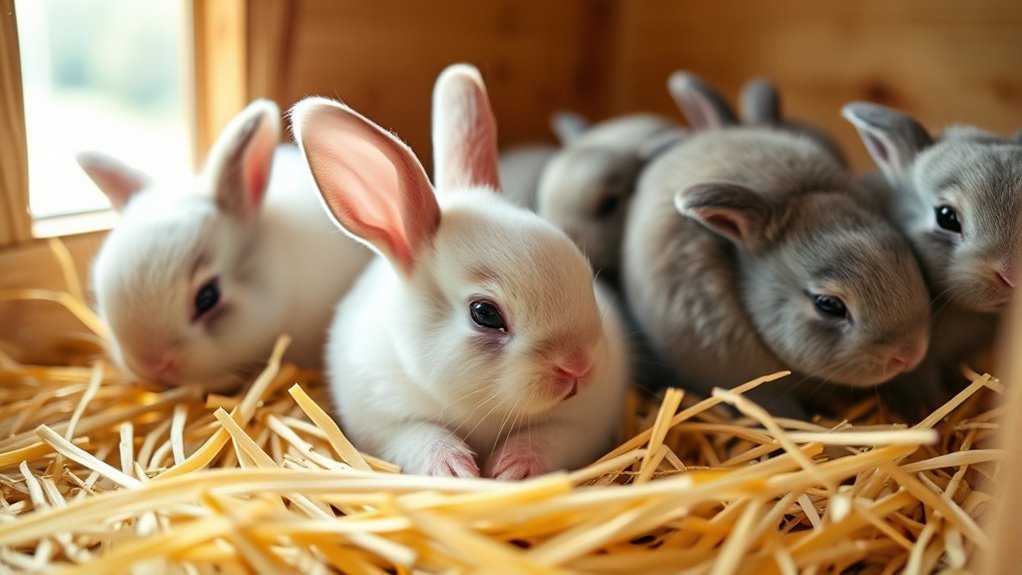
Although baby rabbits, known as kits or kittens, arrive hairless and blind, they quickly develop vital senses and mobility with their mother’s care. You’ll notice significant development milestones: fur grows by day 7, eyes open around day 10, and ears by day 12.
During this time, the mother provides essential nutrients and antibodies through her milk, boosting the kits’ immune system. By day 18, kits start nibbling on solid food, like hay and pellets, preparing to wean around 8 weeks.
This shift is critical for their independence. Remember, responsible breeding requires waiting until kits are at least 8 weeks old before separation, ensuring they’re healthy and fully developed.
Keeping the kits safe in their nest and supporting these early stages helps set the foundation for a strong, thriving baby rabbit. It really makes all the difference in how they grow up!
How to Care for Baby Rabbits: Feeding, Nesting & Health Tips
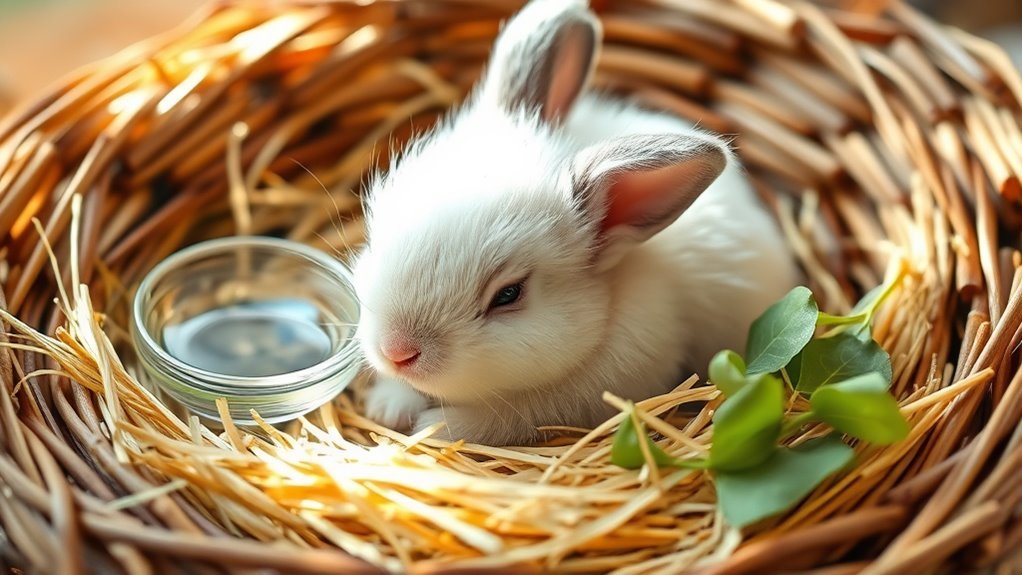
Caring for baby rabbits involves three key areas: feeding, nesting, and health monitoring. Kits rely on their mother’s milk for essential nutrients and antibodies during the first weeks.
If the mother isn’t feeding her kits, use a replacement formula warmed to 105°F, made from goat’s milk, kitten milk replacer, and heavy cream. Create a clean nesting area with soft bedding, changing it regularly to protect both mom and her litter size.
Around three weeks, kits begin nibbling solid food but stay with their mother until fully weaned at eight weeks. Weigh kits daily to verify they’re growing properly.
Watch for dehydration signs like sunken tummies or wrinkled skin. Proper feeding, nesting, and health monitoring keep your baby rabbits healthy and thriving.
Frequently Asked Questions
Do Baby Bunnies Stay Together When They Leave the Nest?
No, baby bunnies don’t stay together permanently after leaving the nest. You’ll notice they stick close for a while, but as they grow, they’ll gradually separate.
They start exploring on their own and eventually establish their own territories. So, it’s pretty normal for them to drift apart as they get older.
What Is the 3-3-3 Rule for Bunnies?
The 3-3-3 rule means you give your bunny three days to settle in, three weeks to bond, and three months to fully adjust.
This helps you build trust and establish routines for a happy, healthy rabbit.
It’s all about taking things slow and letting your bunny feel safe and comfortable.
Give them the time they need, and you’ll see your bond grow stronger every day.
How to Tell How Old a Wild Baby Rabbit Is?
You can tell a wild baby rabbit’s age by its fur, eye, and ear development. If it’s fully furred with open eyes, it’s about three weeks old.
At this stage, it’s possibly more independent and ready to leave the nest soon. Pretty cool, right?
Can Baby Rabbits Survive Without Their Mother?
Baby rabbits rarely survive without their mother’s care since they need her milk and warmth.
If you find an orphaned kit, you’ll need to act quickly. Provide warmth and seek veterinary advice for proper feeding.
Conclusion
Now that you know baby rabbits are called kits, you can better appreciate their early development stages. Caring for them means providing proper feeding, a cozy nest, and monitoring their health closely.
While many say kits need constant warmth, some studies suggest their mother’s presence and natural nesting habits play a bigger role than artificial heat. Trusting nature’s balance alongside your care helps your baby rabbits thrive beautifully.
Remember, when caring for baby rabbits, it’s all about creating a safe, warm environment and ensuring they get the right nutrition. Paying attention to their behavior and health is key. By combining natural care instincts with your attentive support, your kits will grow strong and happy. That’s the best way to help your baby rabbits flourish in those crucial early weeks.



6 Comments