
How to Support Baby to Survive Long After Placental Abruption
You can support your baby’s long-term survival after placental abruption by closely watching for early symptoms like sudden pain, bleeding, or decreased fetal movement.
Getting immediate medical care is really important when you notice these signs.
Doctors will monitor your baby’s heart and may perform an emergency cesarean to ensure safety.
Treatments such as corticosteroids and neonatal intensive care can greatly improve outcomes.
Coordinated care and ongoing support for both you and your baby play crucial roles in recovery.
Keep exploring to understand how these steps work together to give your baby the best chance at a healthy future.
Key Takeaways
- Ensure continuous fetal monitoring to track heart rate and oxygen levels during and after delivery. This helps catch any signs of distress early on.
- Administer corticosteroids antenatally to promote lung maturity in preterm infants. It gives the baby’s lungs a better chance to function properly if born early.
- Provide neonatal intensive care to manage complications and support the baby’s health post-birth. The NICU team will be there to give specialized care as needed.
- Maintain coordinated medical care with timely interventions and emergency cesarean if necessary. Quick decisions can make all the difference for both mom and baby.
- Implement long-term follow-up and support programs for ongoing health, nutrition, and emotional care. It’s important to keep track of the baby’s development and offer help along the way.
Recognizing Early Symptoms of Placental Abruption and How to Respond

Although placental abruption happens in about 1 in 100 pregnancies, especially in the second half, it’s really important to recognize its early symptoms to keep your baby safe.
Sudden abdominal or back pain, vaginal bleeding—even if it’s just a little—and decreased fetal movement are all signs that you need to get medical help right away.
Uterine tenderness or rigidity can also be a warning that an abruption might be coming. So if you notice these signs during the second half of your pregnancy, don’t wait—seek urgent care.
If you see any of these symptoms, go to the emergency room without delay. Doctors will likely monitor your baby’s heart rate closely and keep an eye on your symptoms to catch any problems early.
Being aware and proactive about the early symptoms of placental abruption really makes a difference. It helps ensure timely treatment, which improves outcomes for both you and your baby.
Medical Treatments to Support Baby’s Survival After Placental Abruption
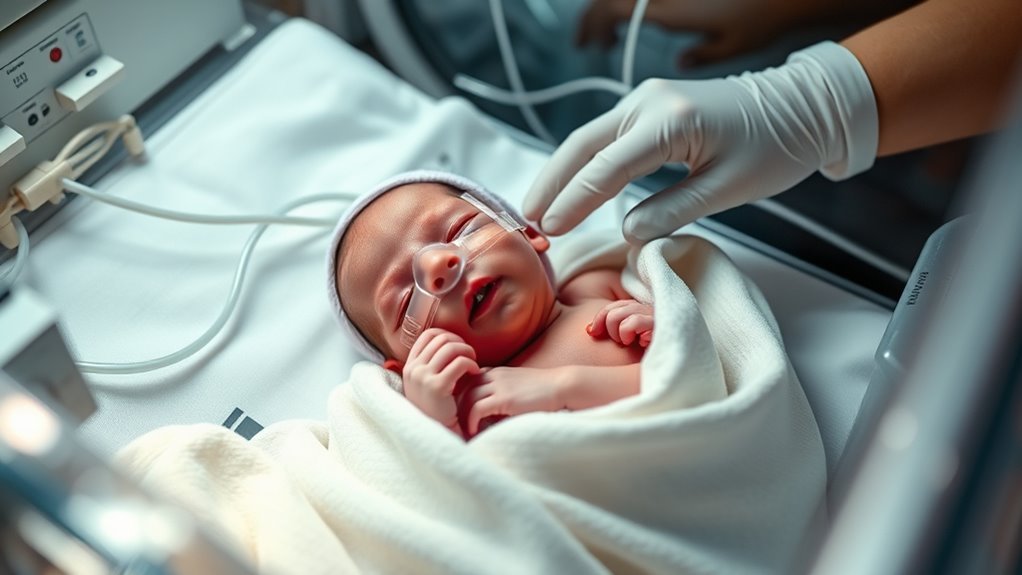
Once placental abruption is identified, medical teams focus on treatments that give your baby the best chance of survival. Immediate delivery through an emergency cesarean section is often necessary to quickly deliver your baby and reduce risks from complications during pregnancy.
Continuous fetal monitoring tracks your baby’s heart rate and oxygen levels, making sure any signs of distress are caught early. If delivery isn’t immediate, corticosteroid administration helps mature the lungs of preterm infants, boosting their chances of survival.
In cases of maternal hemorrhage, blood transfusions stabilize your condition, keeping oxygen and nutrients flowing to your baby. After birth, neonatal intensive care provides critical support to manage complications like low birth weight or hypoxia.
All these treatments work together to protect your baby’s health after placental abruption. It’s a coordinated effort to give your little one the best possible start.
Frequently Asked Questions
What Are the Chances of Having a Successful Pregnancy After a Placental Abruption?
You have a good chance of a successful pregnancy after placental abruption, especially with proper prenatal care, healthy habits, and monitoring.
Though recurrence risk exists, many women deliver healthy babies beyond 34 weeks gestation. So, while it can be concerning, there’s definitely hope for a positive outcome. Just keep up with your care and stay in close contact with your healthcare provider.
How Long After Placental Abruption Can a Baby Survive?
Survival spans considerably, sometimes stretching several weeks post-abruption, depending on severity and swift support.
You’ll need vigilant monitoring and timely intervention to maximize your baby’s chances, especially if the abruption happens after 34 weeks.
It really comes down to how quickly care is given and the seriousness of the situation. Staying close with your healthcare team makes all the difference.
What Are the Nursing Care Plans for a Patient With Placental Abruption?
You’ll closely monitor fetal heart rate and manage the mother’s pain. Providing IV fluids to stabilize her is also important.
Prepare for emergency delivery if needed, and don’t forget to offer emotional support. This thorough care really helps protect both mom and baby during placental abruption.
Can You Have a Healthy Baby With Placental Abruption?
Yes, you can have a healthy baby with placental abruption, especially if it’s detected early and managed promptly. Timely medical care, continuous monitoring, and sometimes emergency delivery greatly improve your baby’s chances of survival and health.
The key is not to delay getting help once symptoms appear. Doctors can then act quickly to protect both you and your baby. So, don’t hesitate to reach out to your healthcare provider if you notice any warning signs.
Conclusion
If you act quickly when you notice early symptoms of placental abruption, you can greatly improve your baby’s chances of survival. Did you know that with prompt medical intervention, about 70% of babies affected by placental abruption survive?
Remember, recognizing warning signs and seeking immediate care are essential. You play an important role in supporting your baby through this challenging situation, so stay informed and don’t hesitate to get help right away.
Supporting your baby to survive long after placental abruption starts with quick action and awareness. Early recognition of symptoms like sudden abdominal pain or bleeding can make all the difference. By staying calm and reaching out for emergency medical support immediately, you give your baby the best chance to thrive despite the risks. Always trust your instincts and keep communication open with your healthcare provider—this support is crucial for your baby’s survival and long-term health after placental abruption.






5 Comments