
How to Decide If You Should Feed Baby Again After They Spit Up
You should wait about 10-15 minutes after your baby spits up and keep them upright during this time. This pause helps their tummy settle and reduces the chance of more spitting up.
Keep an eye on your baby to see if they’re calm and alert. Look for clear hunger cues like rooting or lip-smacking before you try feeding again.
When you do feed, try offering smaller, more frequent meals. This can make digestion easier and help reduce how often your baby spits up.
If your baby seems uncomfortable or the spitting up is forceful, it’s a good idea to check in with a healthcare professional.
Remember these tips to feed your baby confidently and comfortably, even after they spit up. It’s all about paying attention to their cues and taking it slow.
Key Takeaways
- Wait 10-15 minutes after spitting up while keeping the baby upright and calm before offering more feeding.
- Observe if the baby shows hunger cues like rooting or lip-smacking before feeding again.
- Make sure the baby is alert and comfortable, and not showing signs of distress before you start feeding again.
- Try offering smaller, more frequent feedings. This can help reduce the chances of more spit-up and keep your baby comfy.
- If the spit-up is forceful or your baby seems distressed, it’s a good idea to check in with a healthcare professional.
How to Know When Your Baby’s Ready to Eat Again

How do you know when your baby is ready to eat again after spitting up? First, watch for your baby’s hunger cues, like rooting or lip-smacking.
Look for your baby’s hunger cues, like rooting or lip-smacking, to know when they’re ready to eat again.
If they seem hungry, wait about 10-15 minutes after spitting up while keeping them upright to see how comfortable they are.
If your baby stays calm and content, it’s usually safe to feed again. You’ll want to offer smaller amounts during the next feeding to help reduce more spitting up.
Always follow your baby’s signals instead of worrying about how much they spit up. If your baby looks comfortable and shows clear hunger cues, you can confidently feed them again.
Staying attentive to these signs helps make sure your baby feels good and avoids unnecessary discomfort during feeding.
Tips for Feeding Your Baby After They Spit Up
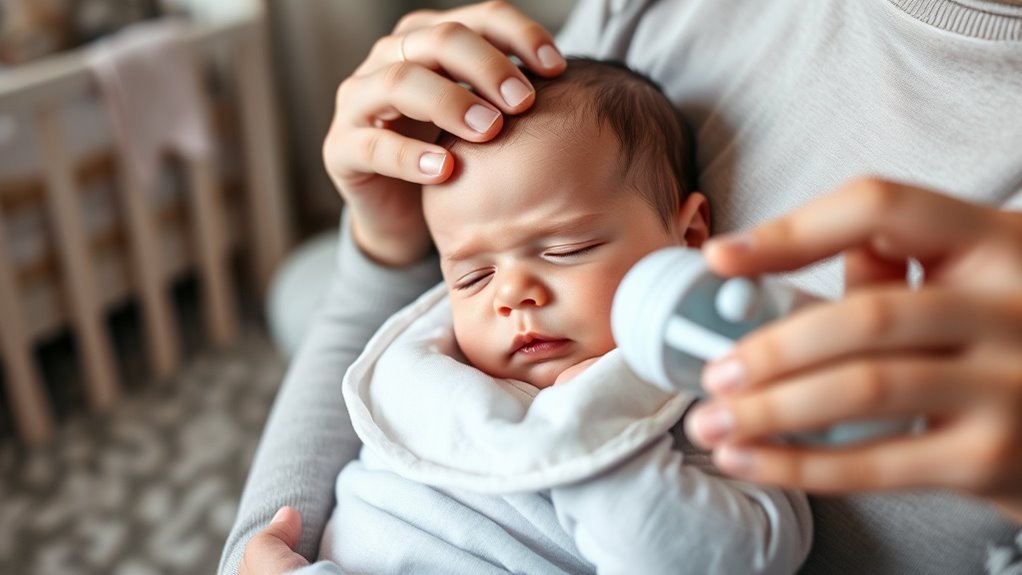
Once your baby shows they’re ready to eat again after spitting up, you can focus on feeding them in a way that keeps them comfortable and minimizes further spit-up. First, monitor your baby’s cues closely; if they seem calm and alert, it’s a good sign to feed your baby again.
Wait a few minutes to allow their stomach to settle before offering another feeding. Try giving smaller, more frequent feedings to reduce the chance of spitting up. Offering small amounts at a time helps your baby digest better and prevents discomfort.
However, if your baby shows signs of distress or if spitting up is forceful, always consult a healthcare professional. Paying attention to these tips helps guarantee feeding after spitting up goes smoothly and safely.
Frequently Asked Questions
Do I Need to Change My Baby After Every Spit-Up?
You don’t need to change your baby after every spit-up. Only change clothes if the spit-up is large or causes discomfort.
Using bibs and burp cloths can help keep them dry and comfortable between changes. It’s a simple way to manage those little messes without too much fuss.
Am I Overfeeding if My Baby Spits Up?
You’re not necessarily overfeeding if your baby spits up. Watch their hunger cues and weight gain.
If they’re growing well and content, occasional spit-up is normal. It happens to lots of babies!
But if spitting up is frequent or excessive, you might want to adjust feeding size or frequency. Just keep an eye on how your little one is doing.
Is It Still Considered Feeding if the Baby Spits Up?
Yes, it’s still feeding even if your baby spits up. While some milk leaves, the baby absorbs nutrients first.
Do I Refeed My Baby After Vomiting?
Yes, you can refeed your baby after vomiting, but wait a bit. Offer smaller amounts, and watch their cues.
If they seem hungry and comfortable, it’s usually safe. Just keep an eye on them.
And if the distress continues, it’s a good idea to consult a doctor. Better safe than sorry!
Conclusion
When your baby spits up, don’t rush to feed again like you’re racing the clock. Instead, watch for signs—calmness, hunger cues, and a settled tummy.
Trust your instincts; your baby’s signals are the compass guiding you through feeding time. Remember, patience is key, and feeding isn’t a sprint but a gentle dance between you and your little one.
Take it slow, and soon enough, you’ll both find the rhythm that works best. Knowing when to feed your baby again after they spit up helps prevent discomfort and makes feeding time smoother. So, keep an eye out for those hunger cues and a calm tummy before offering another feeding. Feeding your baby with patience and care creates a comforting experience for both of you, turning feeding time into a gentle, loving routine.






2 Comments