Blog

  • 10 Steps to Introduce a Sippy Cup to Your Baby

    You can start introducing a sippy cup around 6 months when your baby has good head control and can sit up. Choose a soft-spouted, easy-to-clean cup suited to their age.

    Let your baby explore the cup during mealtimes, offering familiar liquids and encouraging them to hold it independently. It’s all about letting them get comfortable.

    Handle refusals with patience, offering small amounts and spill-proof options. Don’t worry if they aren’t interested right away—it’s totally normal.

    Gradually shift from bottle to cup by 12 to 18 months to support their development. Keep going, and you’ll discover helpful tips for each step along the way!

  • How Long to Wait if Baby Is Not Moving: Step-by-Step Guide

    You should start counting your baby’s movements around 28 weeks, or earlier if your pregnancy is high-risk. Pick a quiet time when you’re resting and count kicks, rolls, or flutters until you reach 10 movements.

    If you don’t feel 10 within two hours, try again later. If decreased movement continues, contact your healthcare provider promptly.

    Staying aware of your baby’s patterns is key. Understanding what to do next can give you peace of mind.

  • How to Understand What Size 80 Means in Baby Clothes

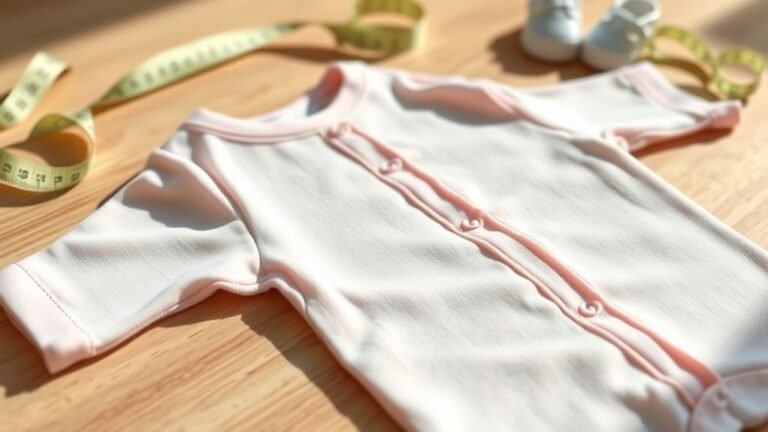
    Size 80 in baby clothes mainly refers to your baby’s height, around 80 cm. It usually fits infants aged 9 to 12 months.

    It also considers weight, typically between 9 to 12 kg, but every baby grows differently. So, measuring height first helps a lot.

    You’ll want stretchy, comfortable fabrics and to avoid clothes that are too tight or loose. If you want to make sure your baby’s clothes fit just right as they grow, keep learning these handy tips.

  • At What Age Do Baby Teeth Fall Out?

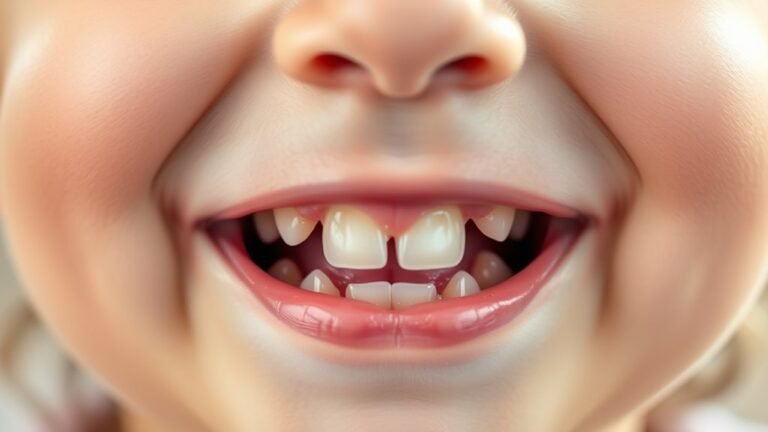
    You’ll usually see your child’s baby teeth start falling out around age 6, beginning with the lower central incisors. Upper central incisors follow between ages 7 and 8, then lateral incisors from 8 to 10.

    First molars and canines typically fall out between 9 and 11. If your child loses teeth too early or hasn’t lost any by age 7, it’s smart to check with a dentist.

    Keep an eye out so you can understand what’s typical and when to seek advice. It’s always better to be sure than to worry later!

  • Are Baby Back Ribs Made From Pork or Beef?

    You’ll find baby back ribs come from pork, specifically the upper ribcage near the pig’s spine, right where the ribs meet the loin. They’re leaner and more tender than other pork ribs, making them great for grilling or slow cooking.

    Unlike beef ribs, which are larger and need longer cooking, baby back ribs cook quicker with a different texture and flavor. Keep exploring to discover how they stack up against other rib cuts and cooking styles.

  • How Tall Is Baby Gronk?

    Baby Gronk is 5 feet 2 inches tall at just 10 years old, giving you a big edge on the football field. His height helps him see over defenders, making catches and blocks easier.

    Being taller can open more opportunities and even influence which position you play. While his size gives him a head start now, there’s a lot to reflect on about how growth and early sports focus shape young athletes as they develop further.

  • How to Write a Baby Shower Card: 5 Heartfelt Messages

    To write a baby shower card filled with warmth, start by celebrating the joyful new arrival and use heartfelt phrases like “bundle of joy.”

    Personalize your message by mentioning shared moments or the baby’s name to make it special.

    Add humor about sleepless nights to keep it light, balance it with genuine wishes for happiness, and end with encouraging words to support the parents-to-be.

    Keep going to discover inspiring examples and creative ideas for your perfect message.

  • How to Get Rid of Baby Hairs With 3 Easy Tips

    To get rid of baby hairs easily, start by using a gentle, sulfate-free shampoo. This helps keep your scalp clean without stripping moisture.

    Then, tame those hairs with lightweight edge control or gels. Style them in the direction of growth for a sleek hold.

    Finally, nourish your baby hairs regularly with natural oils like castor or jojoba. Deep condition too, to boost strength and manageability.

    Keep these tips in mind, and you’ll discover even more ways to care for your hair effortlessly. Easy, right?

  • What Are Baby Turkeys Called?

    If you’re wondering what baby turkeys are called, it depends on whether they’re wild or domestic. Wild baby turkeys are called chicks, while domestic baby turkeys under four weeks old go by poults.

    After that, juvenile males are jakes, and juvenile females are jennys. These names help you track their growth stages and understand their behavior better.

    Keep exploring, and you’ll also learn what groups of turkeys are called and how their development unfolds.

  • What Is a Baby Horse Called?

    You’ll call a baby horse a foal, with males known as colts and females called fillies. Foals are born after about eleven months of gestation, usually in spring or early summer.

    They’re born with long legs and can stand or run within hours, which helps them survive. Foals depend on their mother’s milk at first, then start solid food around four to six months.

    Keep exploring if you want to understand their growth and care better.