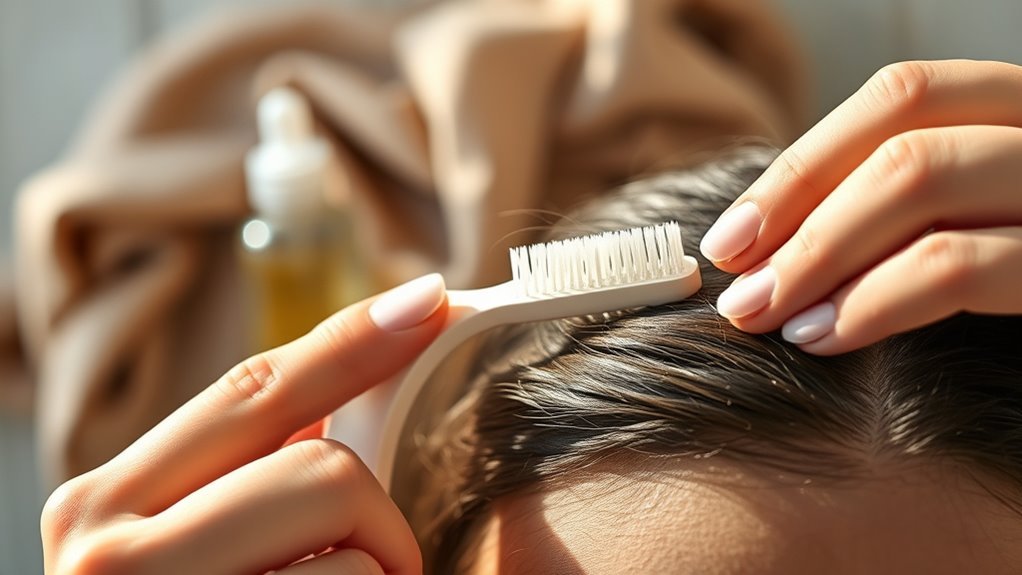
How to Get Rid of Baby Hairs With 3 Easy Tips
To get rid of baby hairs easily, start by using a gentle, sulfate-free shampoo to keep your scalp clean without stripping moisture. This helps maintain a healthy scalp environment, which is key for managing those pesky little hairs.
Plus, keeping your hair hydrated makes a big difference in how your baby hairs behave.
Next, tame those baby hairs with lightweight edge control or gels. Style them in the direction of growth for a sleek, polished look that lasts. It’s simple but super effective for keeping your hair looking neat without feeling crunchy or heavy.
Finally, nourish your baby hairs regularly with natural oils like castor or jojoba. Deep conditioning will also boost strength and make your hair more manageable.
Give these tips a try, and you’ll find caring for your hair becomes easier and more enjoyable!
Key Takeaways
– Use lightweight edge control or gel to smooth baby hairs in the direction of growth for a sleek look.
This helps keep them in place without feeling too heavy or sticky.
– Incorporate silk or satin headbands to minimize friction and keep baby hairs flat.
They’re gentle on your hair and help prevent those pesky flyaways.
– Regularly trim baby hairs to maintain a neat and controlled appearance.
A little trim goes a long way in keeping things tidy.
– Deep condition hair weekly to improve manageability and reduce flyaways.
It makes your hair softer and easier to style overall.
– Avoid heavy products and excessive heat to prevent baby hairs from becoming frizzy or damaged.
Taking it easy on the heat really helps keep those baby hairs happy.
Understand and Manage Baby Hairs With Easy Styling Tricks
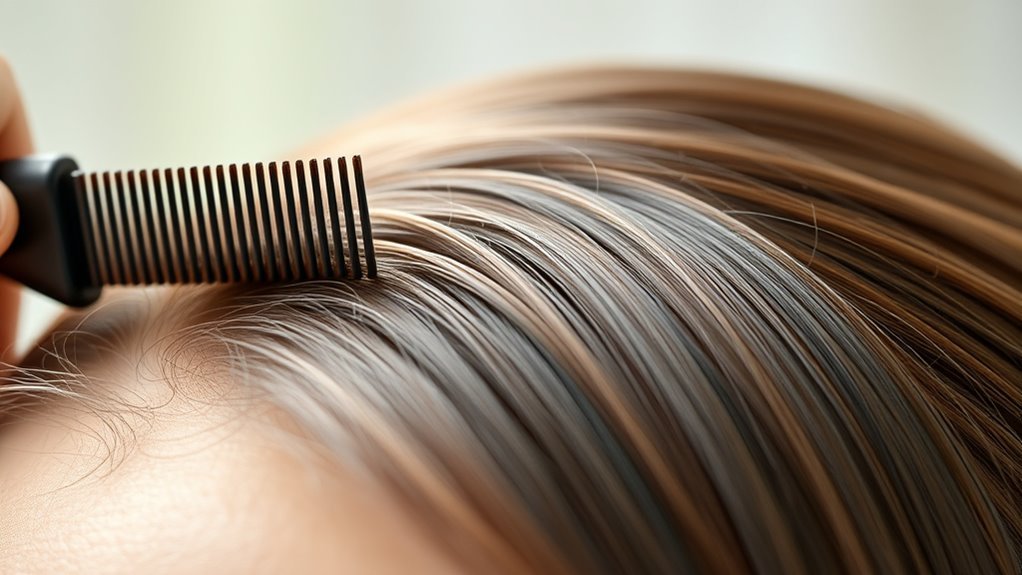
Although baby hairs can be tricky to style because they’re soft and fine, you can easily manage them with the right techniques. Start by using lightweight styling products like edge control or gels designed to hold without weighing down your baby hairs.
Always style in the direction of hair growth to secure those delicate strands along your hairline effectively. For better manageability, incorporate silk or satin headbands to reduce friction and prevent breakage.
Regular hair care, including trimming and deep conditioning, improves the health and appearance of baby hairs over time. By understanding these simple styling tricks, you’ll find it easier to tame your baby hairs while maintaining a neat, polished hairline without damaging those fragile strands.
Use Gentle Shampoo and Edge Controls to Protect Baby Hairs
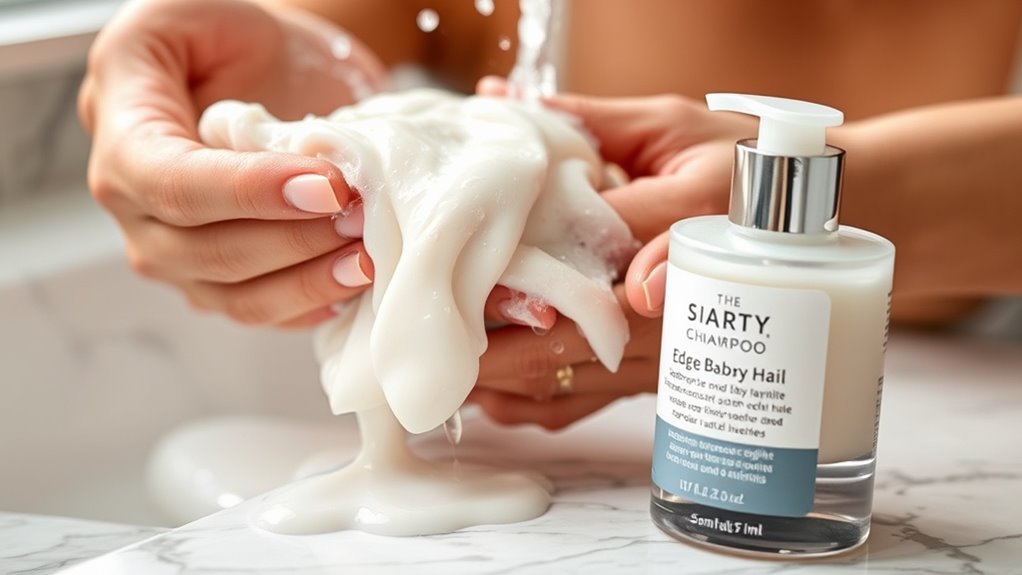
Managing baby hairs starts with the right care products that protect their delicate nature. Using a gentle shampoo, like a sulfate-free shampoo, helps cleanse without stripping natural oils, reducing breakage.
Protect baby hairs with gentle care—use sulfate-free shampoo to cleanse without stripping natural oils and reduce breakage.
Pair this with deep conditioning masks to keep baby hairs soft and manageable. When styling, edge control products are your best friend—they provide strong hold without heaviness.
Opt for lightweight gels to avoid buildup while keeping baby hairs sleek all day. Here’s what you should focus on:
- Choose sulfate-free shampoo for gentle cleansing
- Incorporate deep conditioning masks regularly
- Use edge control products or lightweight gels for styling
Nourish Baby Hairs With Oils and Deep Conditioning for Lasting Strength
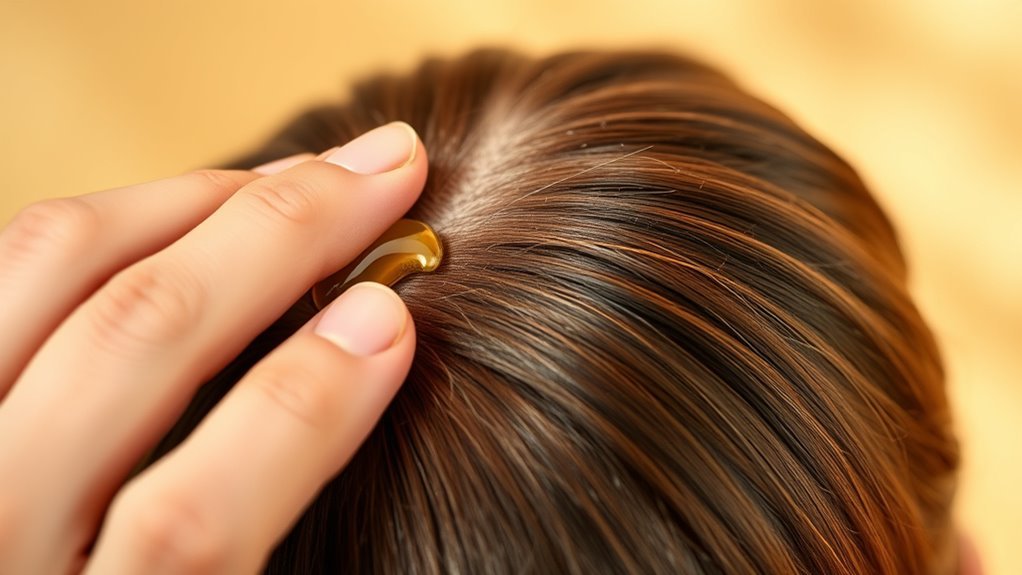
When you nourish your baby hairs with natural oils like castor and jojoba, you provide essential moisture that promotes growth and thickness. These oils penetrate the scalp and hair strands, strengthening baby hairs from root to tip.
To boost strength even more, try adding deep conditioning treatments to your routine every week. Masks with shea butter or aloe vera work wonders to improve pliability and reduce breakage.
Deep conditioning softens baby hairs, making them easier to manage and less prone to damage. And don’t forget—when styling, always use heat protection products to keep those baby hairs healthy.
Along with a balanced diet and staying hydrated, nourishing your baby hairs with natural oils and deep conditioning is a great way to ensure lasting growth and strength.
Frequently Asked Questions
How to Get Rid of Tiny Baby Hairs?
You can get rid of tiny baby hairs by gently trimming them, using edge control gels for a sleek look, or opting for laser hair removal if you want a more permanent solution.
Regular conditioning also helps. It keeps your hair healthy and can reduce the appearance of those little hairs over time.
How Did Kim Kardashian Get Rid of Her Baby Hairs?
Kim Kardashian gets rid of baby hairs by using strong edge control gels and styling them with a toothbrush for sleek swoops. It really helps to keep everything in place and looking polished.
You can maintain healthy baby hairs by trimming, deep conditioning, and using silk scarves to hold edges. These little steps make a big difference in keeping your edges smooth and healthy over time.
Are Edges Supposed to Be Baby Hairs?
Yes, edges are usually made up of baby hairs. You can style them to frame your face or let them grow naturally.
It’s all about what feels right for you. Embracing your edges adds character and a polished look to your hairstyle effortlessly.
How to Stop Baby Hairs From Sticking up Naturally?
You stop baby hairs from sticking up naturally by styling them in their growth direction, using lightweight gels or creams, and securing them with a silk scarf or headband. This helps reduce friction and keeps them smooth all day.
It’s pretty simple once you get the hang of it. Just a little care and the right products can make a big difference!
Conclusion
Taming your baby hairs is like gently guiding a wild garden—patience and care bring out their natural beauty. By using gentle shampoos and edge controls, you protect those delicate strands from harm.
Nourishing them with oils and deep conditioning is like watering roots, ensuring lasting strength. These simple steps help keep your baby hairs healthy and manageable.
With these easy tips, you’ll turn unruly wisps into a smooth, polished look that frames your face perfectly. Getting rid of baby hairs doesn’t have to be a hassle. Just a little care and the right products can make all the difference, letting your confidence shine through every day. So go ahead, tame those baby hairs with ease and enjoy a sleek, beautiful hairstyle that feels just right for you!



2 Comments