When Is a Baby No Longer a Newborn?
You’ll know your baby is no longer a newborn around 28 days, which is when clear growth and improved head control start to show. This milestone is one of the first signs that your little one is moving beyond the newborn phase.
Your baby will begin to stay awake longer during the day, smile socially, and engage more with you. It’s such a joy to see these new interactions!
Feeding and sleep patterns begin to stabilize, with longer stretches of sleep at night becoming more common. These changes mark the important shift to the infant stage.
Keep exploring these milestones to better understand how they support your baby’s development and changing needs. It’s all part of the amazing journey of watching your baby grow!
Key Takeaways
- A baby is no longer a newborn after about 28 days when distinct growth and developmental changes become visible.
- You’ll notice improved head control and longer wakefulness, which usually signal the end of the newborn stage.
- Increased social smiling and interaction typically begin around 2-3 months. That’s when the transition really starts to show.
- Feeding and sleep patterns start to stabilize, with longer stretches at night. This reflects progress beyond the newborn phase.
- Developmental milestones like alertness and engagement confirm the shift from newborn to infant stage. It’s an exciting time!
How to Know When Your Baby Is No Longer a Newborn
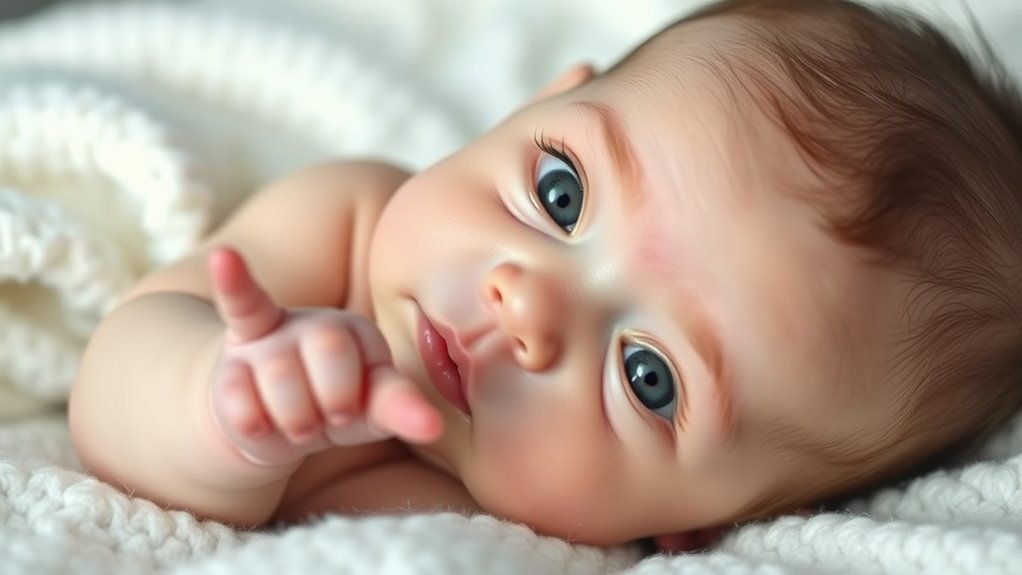
Although the newborn stage officially ends after about 28 days, you’ll notice your baby showing clear signs of growth and development that mark this change. As the newborn stage concludes, you’ll observe significant changes like improved head control and longer wakefulness during the day.
Babies typically begin engaging in more social interaction, signaling the shift from the newborn to the infant stage. During the first 28 days, your baby’s development is rapid, but around 2-3 months, developmental milestones like social smiling start to emerge.
Regular check-ups help monitor these milestones, confirming your baby’s progress beyond the newborn phase. Paying attention to these signs will help you confidently recognize when your baby is no longer a newborn.
Key Changes to Expect After the Newborn Stage
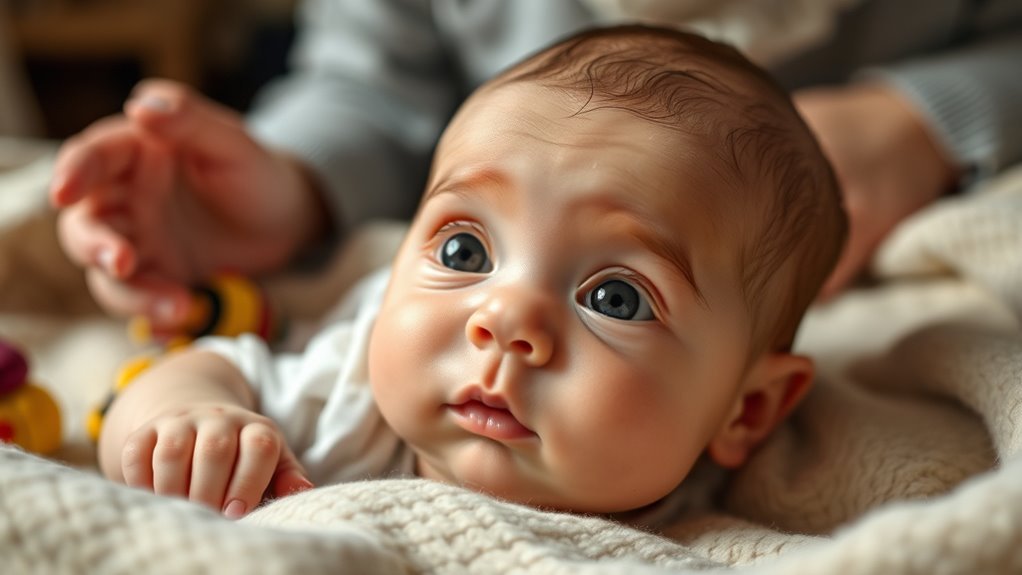
Once your baby passes the newborn phase, you’ll notice several key changes that signal their growth and development. Moving into the infant stage, your little one will start hitting important developmental milestones like improved head control and social smiling.
You’ll see longer periods of alertness during the day and more interaction with the environment as they track movements and respond to sounds. Feeding patterns will stabilize, and their sleep routine will shift from frequent wake-ups to longer stretches at night.
These changes mark the shift from newborn to infant, showing your baby’s increasing awareness and engagement. Paying attention to these signs can really help you support your baby’s growth and better understand their evolving needs after the newborn stage.
Frequently Asked Questions
How Long Is the Newborn Stage?
The newborn stage lasts about 28 days medically, but you’ll often hear it described as up to 2-3 months.
During this time, your baby’s sleep and social skills start developing rapidly as they move between stages.
It’s a fascinating period full of quick changes, and you’ll notice new things almost every day!
Is My 3 Month Old a Newborn?
Your 3-month-old isn’t really a newborn anymore. You’ll notice they’re more alert, smile socially, and have better head control.
They’re growing fast and starting to engage more with their world every day. It’s pretty amazing to watch!
Conclusion
Just like the first chapter of a beloved book, the newborn phase is brief but unforgettable. As your little one moves beyond those early days, you’ll notice new milestones and a growing personality that signals a fresh beginning.
Embrace this exciting shift—you’re not just saying goodbye to the newborn stage, you’re welcoming the incredible journey ahead. Every little smile, coo, and movement is part of your baby’s unique adventure.
Remember, when is a baby no longer a newborn? It’s when you start seeing those early signs of growth and change that open the door to new experiences. Each step you take together writes the story of your baby’s development and the wonderful path that lies ahead. So, cherish these moments—they’re the start of something truly special.