Is Baby Breath Toxic to Cats?
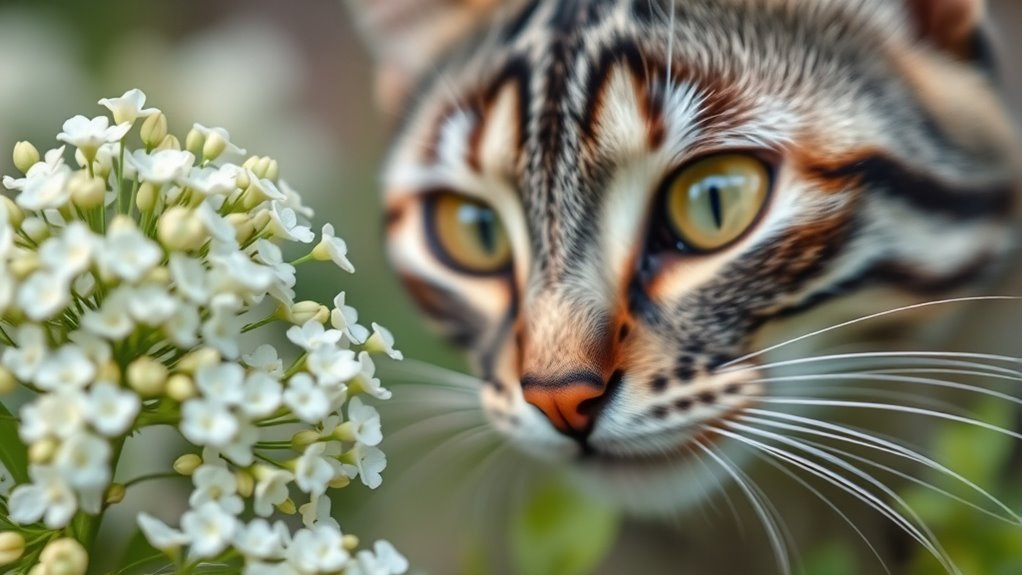
Yes, Baby’s Breath is toxic to your cat because it contains a harmful compound called gyposenin. This means if your cat eats any part of the plant, they could get sick.
Common symptoms include vomiting, diarrhea, drooling, or a loss of appetite.
Even just touching the plant’s sap can cause skin irritation for your furry friend. It’s especially concerning for kittens and cats that are already unhealthy, as they might have more severe reactions.
So, it’s a good idea to remove Baby’s Breath from your home.
Keep a close eye on your pet if you think they’ve been exposed. Watching for signs early can help you protect your cat and get them the care they need quickly.
Key Takeaways
- Baby’s Breath contains gyposenin, a saponin that’s toxic to cats and can cause gastrointestinal issues.
- If a cat eats it, you might see vomiting, diarrhea, drooling, and even lethargy.
- Kittens and cats with existing health problems are more at risk of having severe reactions.
- Also, if a cat comes into contact with Baby’s Breath sap, it might cause skin irritation.
- So, if your cat shows any signs of poisoning, it’s best to get veterinary care right away.
Why Baby’s Breath Is Toxic to Your Cat
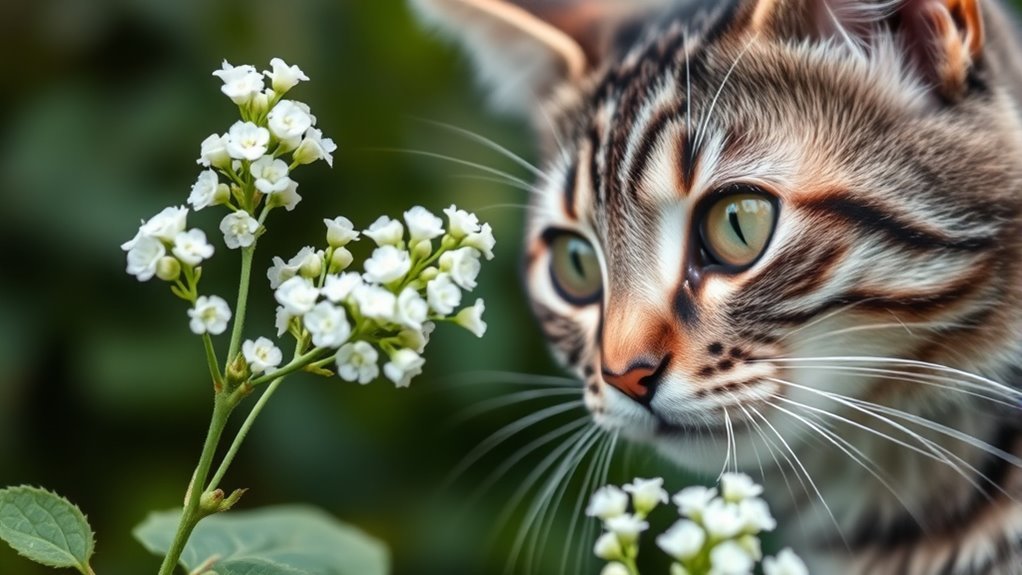
Although Baby’s Breath is a popular decorative flower, it contains gyposenin, a saponin that can irritate your cat’s gastrointestinal tract if ingested. Baby’s Breath is toxic to cats primarily because this saponin affects their digestive system, causing symptoms of toxicity such as vomiting, diarrhea, increased drooling, and loss of appetite.
Pet owners should be aware that kittens and cats with health issues may experience more severe reactions. Besides ingestion, contact with Baby’s Breath sap can lead to skin irritation, and dried blooms might irritate your cat’s eyes, nose, and sinuses.
While severe symptoms are rare, it’s important to recognize the risks. If you suspect your cat has come into contact with Baby’s Breath, contacting Poison Control is an essential step to guarantee your pet’s safety and quick recovery.
How to Spot Baby’s Breath Poisoning and What to Do
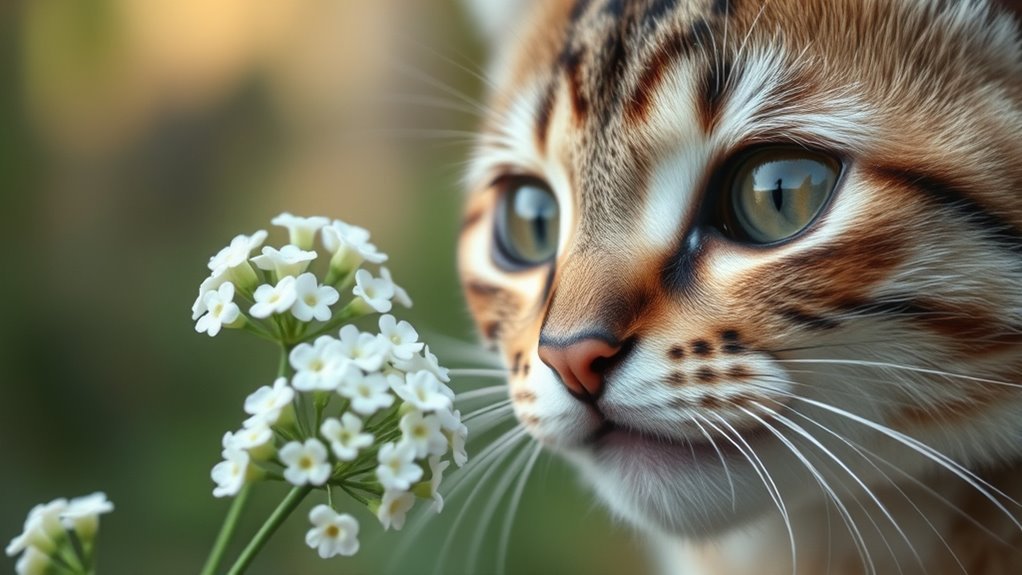
Recognizing the signs of Baby’s Breath poisoning in your cat can help you act quickly to prevent serious complications. If your cat consumes this toxic plant, watch for symptoms like vomiting, diarrhea, and drooling.
You might also notice gastrointestinal upset, lethargy, and loss of appetite. These signs indicate irritation caused by Baby’s Breath ingestion.
Immediately remove any remaining plant material and make certain your cat drinks fresh water to avoid dehydration. If symptoms persist or worsen, contact your veterinarian or a poison control hotline right away.
Remove plant material and ensure fresh water; seek veterinary help if symptoms continue or worsen.
Prompt treatment is vital to safeguard your cat’s health. Being aware of Baby’s Breath and other toxic plants in your home is essential for pet safety.
Staying vigilant helps you protect your cat from poisoning and guarantees they stay healthy and safe.
Frequently Asked Questions
What Happens if My Cat Eats Baby’s Breath?
If your cat eats baby’s breath, they might vomit, drool, or have diarrhea. You should watch for these signs.
Take them to the vet if symptoms worsen or don’t improve quickly to keep them safe. It’s better to be cautious with these things.
Is Baby’s Breath Safe for Cats to Smell?
You can rest easy—baby’s breath is safe for your cat to smell.
Just keep in mind, curiosity might lead them to nibble. So, don’t let them get too close or they could end up in hot water.
Why Is My Cat Obsessed With Baby’s Breath?
Your cat’s obsessed with Baby’s Breath because its texture and scent stimulate their natural curiosity and chewing instincts. They find it intriguing, but you should provide safe plant alternatives to keep them healthy and happy.
Cats just love exploring new things, especially when it comes to textures and smells. So, it’s no surprise Baby’s Breath catches their attention.
But remember, while it might seem harmless, Baby’s Breath isn’t the safest choice for your furry friend. Try offering them some cat-friendly plants instead—they’ll thank you for it!
What Is the Silent Killer of Cats?
You’d never guess the silent killer of cats hides in your beautiful bouquets—common plants like lilies and baby’s breath.
They quietly poison your feline friend while you admire their charm. So, stay alert and protect your cat.
Conclusion
You might not realize it, but baby’s breath can be quite dangerous to your cat. Ingesting even small amounts can cause symptoms like vomiting and diarrhea because it contains toxic compounds.
Did you know that over 90% of cats exposed to toxic plants show symptoms within just a few hours? That’s why it’s essential to keep baby’s breath out of your home and watch for any signs of poisoning.
If you notice your cat acting sick, don’t wait. Acting quickly can save your cat’s life. Keeping an eye on your furry friend and avoiding toxic plants like baby’s breath is one of the best ways to protect them. Remember, when it comes to your cat’s safety, prevention and prompt action are key.