
At How Many Weeks Is a Baby Viable?
A baby is generally considered viable starting around 24 weeks gestation, when survival chances jump to 42-59%. At this point, doctors begin to see a real chance for the baby to survive outside the womb.
Viability is a big milestone for both parents and medical teams.
At 22 weeks, survival rates are very low, about 5-6%, but each additional week in the womb markedly improves outcomes. By 26 weeks, viability reaches nearly 90%, which is a huge difference.
Your baby’s chances also depend on birth weight and the quality of neonatal care available.
Understanding these milestones helps you prepare and make informed decisions.
Every week truly counts when it comes to your baby’s survival and health. There’s a lot more to know about how each stage impacts viability and what to expect along the way.
Key Takeaways
- A baby is generally considered viable at around 24 weeks gestation. Survival rates at 24 weeks range from 42% to 59%, which is a big jump from earlier weeks.
- At 22 weeks, the chances of survival are very low, around 5-6%. But every week after 22 weeks really makes a difference.
- Each additional week beyond 22 weeks greatly improves survival and developmental outcomes. Quality neonatal care is also essential to boost those survival chances for premature infants.
When Is a Baby Considered Viable: And Why That Matters
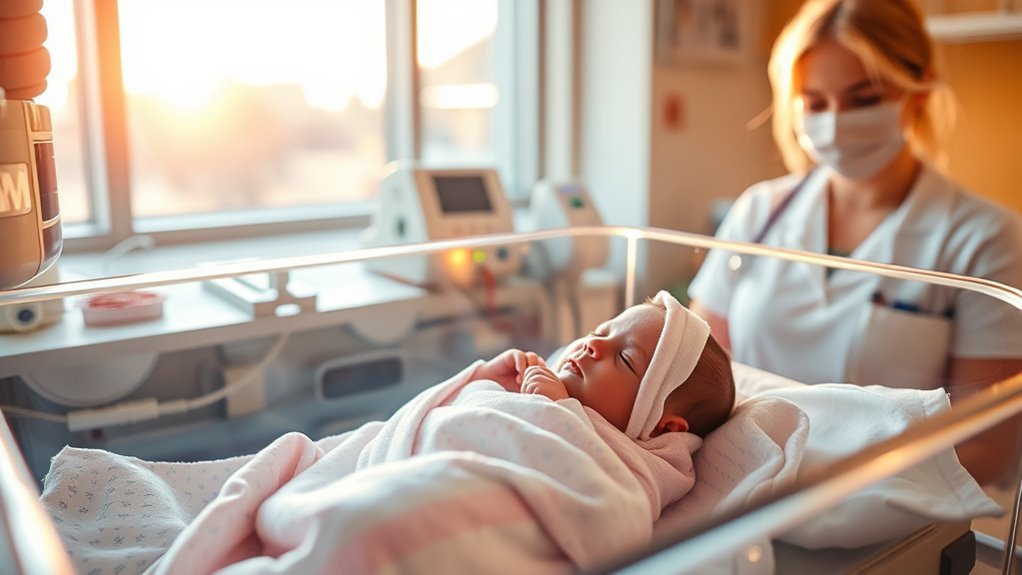
Although viability varies worldwide, a baby is generally considered viable at around 24 weeks gestation, when survival rates increase considerably. At this gestational age, survival rates jump from about 5-6% at 22 weeks to 42-59% at 24 weeks.
You should understand that viability depends on several factors, including gestational age, birth weight, and the quality of neonatal care. For premature infants born before this point, medical care plays a critical role in outcomes.
Knowing when a baby is considered viable helps you make informed decisions regarding prenatal care and interventions during preterm birth. Since definitions of viability differ globally, being aware of these factors means you’re better prepared for discussions about resuscitation efforts and care options for extremely premature infants.
How Survival Chances Improve Each Week After 22 Weeks
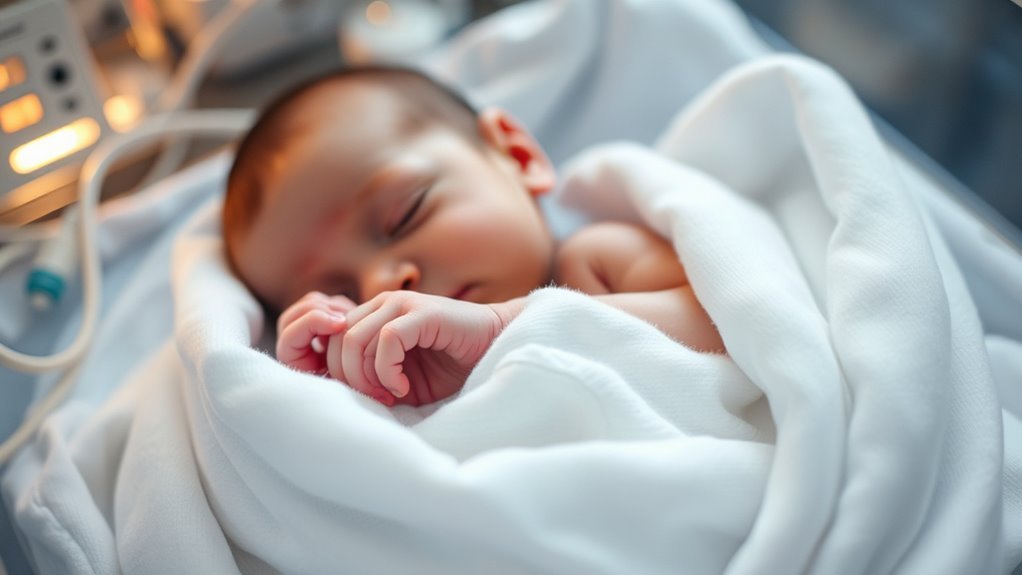
As your baby progresses beyond 22 weeks gestation, their chances of survival improve dramatically with each passing week. At 22 weeks, viability is very low, with survival rates around 5-6%.
By 23 weeks, premature infants see a significant jump to 23-27%. When born at 24 weeks, survival rates climb further, ranging from 42-59%, sometimes reaching 68%.
At 23 weeks, survival rises to 23-27%, increasing to 42-59% by 24 weeks.
Each additional week greatly boosts the chances for survival; at 25 weeks, rates rise to 67-76%, and by 26 weeks, viability hits 86-89%. Obstetricians emphasize delaying delivery to maximize these outcomes.
In the neonatal intensive care unit, extremely preterm infants receive essential life-saving interventions that improve survival. Understanding these improving survival rates helps you appreciate how vital each week is for your baby’s development.
Frequently Asked Questions
What Is the Youngest a Baby Can Survive Outside the Womb?
The youngest a baby can survive outside the womb is around 22 weeks, but survival chances are very low.
Each extra week you stay pregnant greatly boosts your baby’s odds and reduces health risks after birth.
Is Your Baby Fully Developed at 30 Weeks?
Your baby isn’t fully developed at 30 weeks, but they’re getting close. Their lungs, brain, and organs are well-formed, and they’re gaining weight.
There’s still some growth and maturation happening before full term, though. So, they’ve got a little more time to get ready!
Why Is 24 Weeks Considered Viability?
You consider 24 weeks viable because survival rates improve considerably then, thanks to medical advances. Babies born at this stage have a better chance of surviving with intensive care, unlike earlier weeks when survival is much lower.
It’s kind of like a turning point. Before 24 weeks, the chances are pretty slim, but once you hit that mark, doctors can do a lot more to help the baby thrive. So, 24 weeks is seen as the threshold where viability becomes more realistic.
What Is the Earliest a Baby Can Be Born?
The earliest a baby can be born and still survive is around 22 weeks, though survival chances are very low.
If you’re facing early birth, medical care greatly improves outcomes starting at 24 weeks. It’s a tough situation, but doctors have made big progress in helping these tiny babies.
Conclusion
You might hear that every baby’s journey is unique, and when it comes to viability, that couldn’t be truer. While survival chances improve considerably after 22 weeks, it’s important to remember that “every cloud has a silver lining.”
Advances in medicine keep pushing the limits, giving more babies a fighting chance each week. So, stay hopeful and informed—because even the tiniest fighters can grow stronger with time and care.
When we talk about baby viability, it generally means the point at which a baby can survive outside the womb with medical support. This usually starts around 22 to 24 weeks of pregnancy. Each additional week in the womb significantly improves survival rates and health outcomes.
Remember, viability is not a fixed moment but a range influenced by medical technology and individual circumstances. Staying informed about how many weeks is a baby viable can help parents prepare and understand the incredible progress in neonatal care.