When Do Baby Bumps Start Showing: A How-To Guide
You’ll usually start showing your baby bump between 12 and 16 weeks as your uterus grows above the pelvic bone. This is a common time frame for many expecting moms to notice the change.
If you’ve been pregnant before, you might actually see a bump as early as 10 weeks. Your body shape and muscle tone also affect when your bump appears, so everyone experiences it differently.
Early changes in the first trimester are subtle, but by the second, your bump becomes more defined.
Keep going to understand how your bump will evolve through each trimester. It’s fascinating to see how your body changes and how your baby bump grows along the way!
Key Takeaways
- First-time mothers usually start showing a baby bump between 12 and 16 weeks of pregnancy.
- Previous pregnancies may cause a bump to appear as early as 10 weeks.
- Body shape, size, and muscle tone significantly influence when a baby bump becomes visible.
- During the first trimester, physical changes are subtle, and the uterus remains within the pelvis.
- By the second trimester, especially around week 20, the baby bump becomes more distinct and noticeable.
When Do Baby Bumps Start Showing?
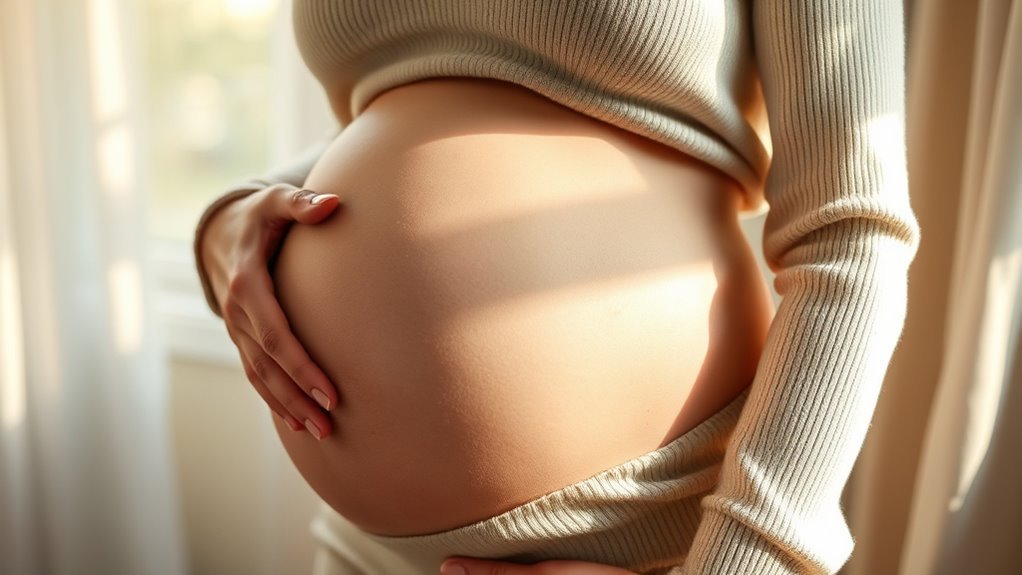
When exactly do baby bumps start showing? Most first-time mothers notice a baby bump between 12 and 16 weeks of pregnancy, often during the shift from the first trimester to the second trimester. This is when the uterus grows above the pelvic bone, causing visible body changes.
However, if you’ve had previous pregnancies, you might start showing as early as 10 weeks because your abdominal muscles have already stretched. Variability is normal—some women don’t show until late in the second trimester or even later, depending on body shape, size, and muscle tone.
Early signs of showing relate closely to gestational age but can differ widely. Understanding this variability helps you set realistic expectations about when your baby bump will appear during pregnancy.
How Your Baby Bump Changes Each Trimester
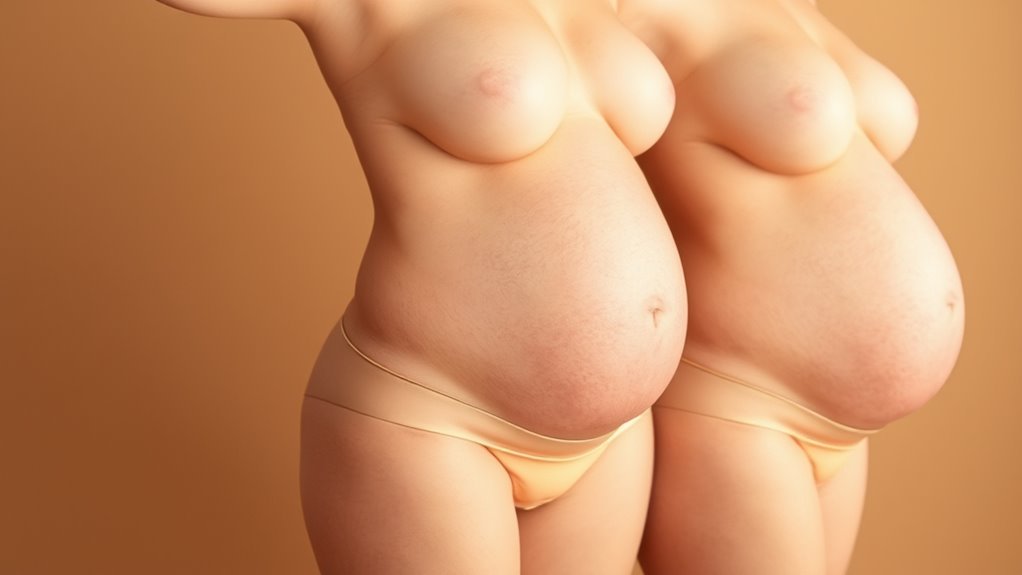
Your baby bump evolves noticeably throughout pregnancy, reflecting your growing baby and changing body. In the first trimester, physical changes are subtle; your uterus stays within the pelvis, so any bloating might not look like a bump yet.
As you enter the second trimester, around week 20, your uterus rises to belly button level. Baby growth makes your rounded belly more noticeable. By this time, your body shape adjusts to accommodate the expanding uterus, often revealing a distinct bump.
In the third trimester, the bump becomes considerably larger and tighter as your baby grows from the size of an eggplant to a small pumpkin. These changes transform your body shape dramatically. Your bump feels heavy and prominent until delivery.
Frequently Asked Questions
When Do Baby Bumps Start Becoming Noticeable?
You’ll usually start noticing your baby bump between 12 to 16 weeks, but if it’s not your first pregnancy, it might show earlier.
Your body type also plays a big role in when it becomes visible. So, everyone’s experience can be a little different!
When to Start Measuring Baby Bumps?
You should start measuring baby bumps around week 24 of pregnancy. Your healthcare provider will measure fundal height regularly to track your baby’s growth.
This helps make sure development stays on track throughout your prenatal visits. It’s a simple way to keep an eye on how things are progressing.
Is 8 Weeks Too Early to Start Showing?
At 8 weeks, showing is like a whisper in the wind—usually too early to notice a baby bump. You might feel bloated, but your bump typically starts appearing between 12 to 16 weeks.
This is especially true if it’s your first pregnancy. So, don’t worry if you’re not showing yet! Everyone’s body is different and takes its own time.
When Do You Start Showing Your Third Pregnancy?
You’ll likely start showing your third pregnancy between 10 to 14 weeks because your abdominal muscles have stretched from before.
Your bump may appear earlier and more noticeable than your first pregnancies, but body type still plays a role.
Conclusion
Remember, every pregnancy is unique, so your baby bump might show earlier or later than others. Take it one day at a time, and don’t stress about the timeline—after all, “good things come to those who wait.”
Embrace the changes your body goes through each trimester, knowing your baby bump is a beautiful sign of new life growing inside you. Trust your journey and celebrate each moment as it unfolds.
When it comes to when do baby bumps start showing, there’s no one-size-fits-all answer. Whether your bump appears in the first trimester or later on, it’s all part of your individual pregnancy experience. So, stay positive, listen to your body, and enjoy this special time. Your baby bump is a wonderful reminder of the amazing life developing inside you, and every stage is worth cherishing!




One Comment