What Are Baby Rabbits Called?
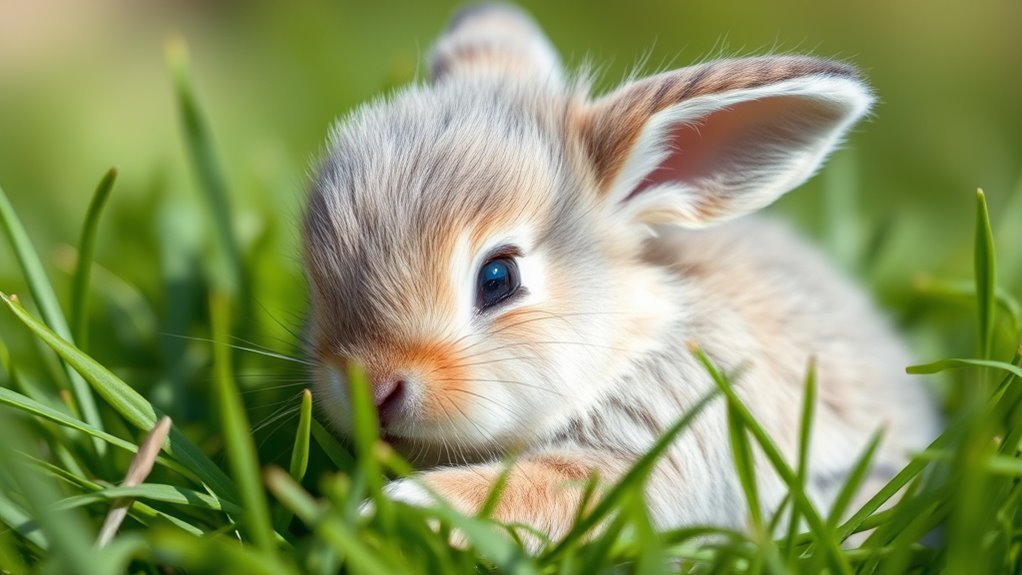
You call baby rabbits kits, a term that comes from “kitten.” Baby rabbits, or kits, are tiny and fragile when they’re born. They’re hairless, blind, and completely dependent on their mother for warmth and food.
Kits grow quickly, starting to nibble on solid food around three weeks old and usually weaning by six weeks.
They also form social bonds and need companionship to thrive.
Keep exploring, and you’ll discover how their early development shapes their care and growth.
Understanding these little kits helps you provide the best care for baby rabbits as they grow.
Key Takeaways
- Baby rabbits are officially called kits.The term “kit” actually comes from the word “kitten.”
- Sometimes, people also call young rabbits kittens informally.
- When a bunch of baby rabbits are born together, that group is called a litter.
- Knowing these terms is pretty helpful. It makes caring for rabbits and talking about them way easier!
What Are Baby Rabbits Really Called and Why?
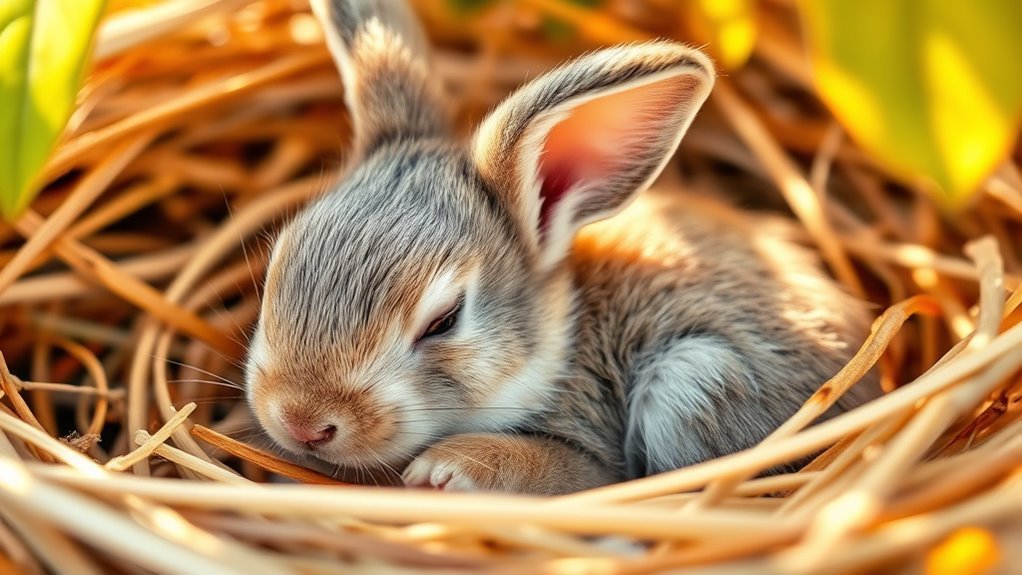
What do you call a baby rabbit? They’re officially called kits, a term that comes from “kitten,” which people sometimes use informally for young rabbits.
When kits are born, they’re hairless and blind, completely dependent on their mother for warmth and food. You’ll often hear about a litter, which refers to a group of kits born to the same mother during one pregnancy.
A litter usually contains several kits, and understanding these terms helps you care for them better. Knowing that kits rely heavily on their mother in the early weeks emphasizes how important proper care is.
Using the right names keeps you informed and responsible when handling or breeding baby rabbits. It’s always good to know what you’re talking about, especially with such delicate little creatures.
How Baby Rabbits Grow and What a Group Is Called
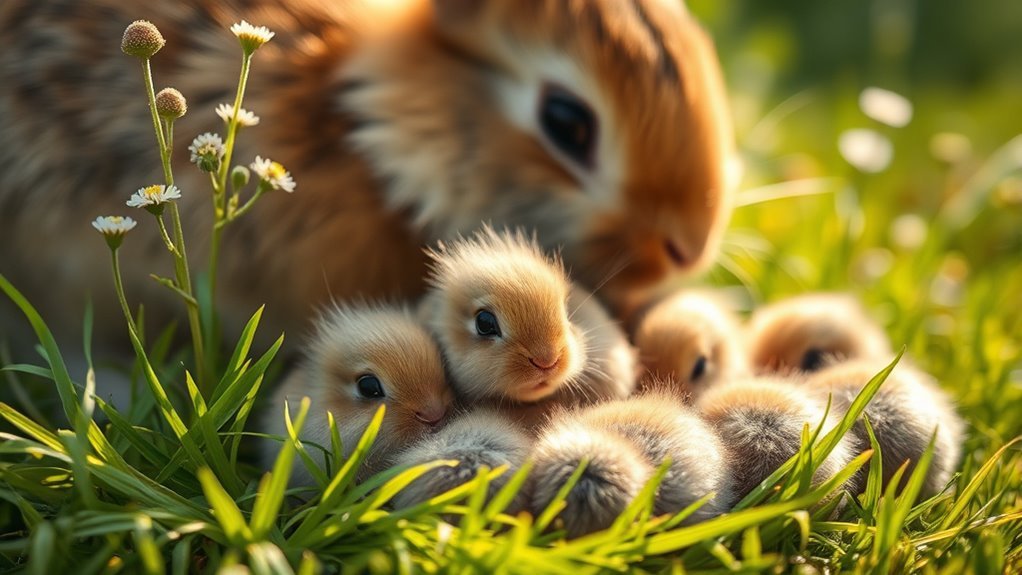
As baby rabbits grow, you’ll notice they go through several important stages, starting from being completely helpless to becoming active and playful. These baby rabbits, called kits, are born hairless and blind, fully dependent on their mother’s care and protection.
Around three weeks, kits start nibbling on solid food, and by four to six weeks, they’re usually weaned. You’ll often find kits in groups known as a litter, which consists of multiple babies born at the same time.
As kits mature, they develop social bonds and playful behaviors, thriving best when they have company. Understanding how kits grow and the concept of a litter gives you a clearer picture of baby rabbits’ early life stages and social needs.
Frequently Asked Questions
What Is the Proper Name for a Baby Rabbit?
The proper name for a baby rabbit is a “kit.” You’ll hear people call them bunnies, but that’s informal.
Kits are born blind and hairless. They need care until they wean around 4 to 6 weeks old.
Are Baby Rabbits Called Kits or Kittens?
You’ll see tiny, delicate babies called kits, not kittens, snuggled in soft nests.
While “kitten” sounds cute, you’ll want to stick with “kits” since it’s the correct term for baby rabbits in the wild and at home.
Are Rabbits Baby Bunnies?
Yes, you can call baby rabbits “bunnies” informally, but the correct term is “kits.” Don’t confuse them with kittens—that’s for cats.
You’ll notice kits start blind and hairless, needing their mother’s care initially. It’s pretty interesting how they grow so fast!
What Is a Litter of Bunnies Called?
You might wonder what a bunch of baby rabbits is called—it’s a “litter.”
When you see a litter of kits, you’re witnessing a small family growing together, full of energy and ready to explore the world.
Conclusion
You might think baby rabbits are simply called babies, but they’re actually called kittens—coincidentally, just like baby cats.
As you watch these tiny kittens grow, you’ll notice how quickly they change, hopping from helpless newborns to playful bunnies.
And when you see a group of them together, you’ll learn it’s called a “fluffle,” which sounds as adorable as the little creatures themselves.
It’s funny how nature loves to surprise you! Baby rabbits, or kittens, really show how fascinating animal names can be.
From their cute beginnings to their lively play, these baby rabbits bring joy and curiosity. So next time you see a fluffle of kittens hopping around, you’ll know exactly what they are—and maybe even share the fun fact with friends!