Is It Possible to Never Lose Your Baby Teeth?
Yes, you can keep some baby teeth for life if your permanent teeth never develop or fail to emerge. This can happen due to genetics or problems like dental injuries that block adult teeth from coming in.
Dentists usually use X-rays to check if permanent teeth are present. Then, they decide whether to keep or remove the retained baby teeth based on factors like health, function, and appearance.
Understanding these things can really help you manage your dental health better.
So, if you’re wondering about keeping baby teeth or what to expect, talking to your dentist is always a good idea!
Key Takeaways
- Retained baby teeth happen when permanent teeth either never develop or don’t come in.
- Sometimes, it’s all about genetics and family history. Some people just keep their baby teeth for life.
- Injuries or infections in the mouth can block permanent teeth from coming through. This can cause baby teeth to stick around longer than usual.
- In fact, some folks naturally hold onto their baby teeth well into adulthood if adult teeth don’t replace them.
- The good news? Regular dental checkups can spot retained baby teeth early and help manage them the right way.
What Causes Retained Baby Teeth?
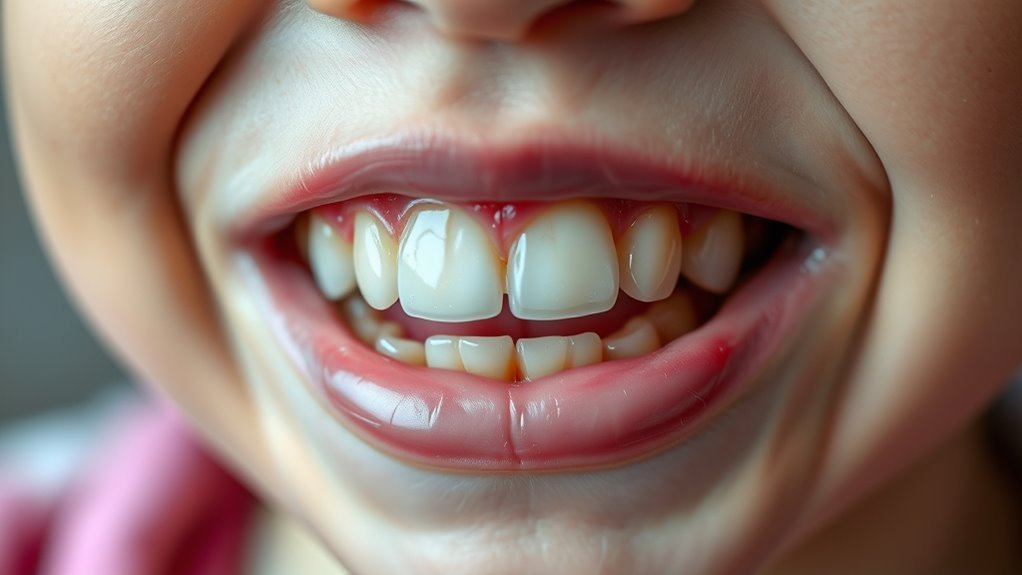
Although most baby teeth naturally fall out as adult teeth come in, retained baby teeth happen when those permanent teeth never erupt. You might wonder what causes retained baby teeth.
Often, genetics play a big role—if your family has a history of missing adult teeth, your child’s baby teeth might stick around longer. Other causes can include dental injuries or infections that block permanent teeth from emerging.
These primary teeth, also called retained baby teeth, can sometimes last into adulthood if the permanent teeth never develop beneath them. Regular dental checkups are essential to monitor your oral health and catch any issues early.
If you or your child has a retained baby tooth, dentists can suggest treatment for retained teeth to prevent complications like decay or misalignment. So, it’s always a good idea to stay on top of those dental visits!
How Dentists Decide to Remove or Keep Retained Baby Teeth?
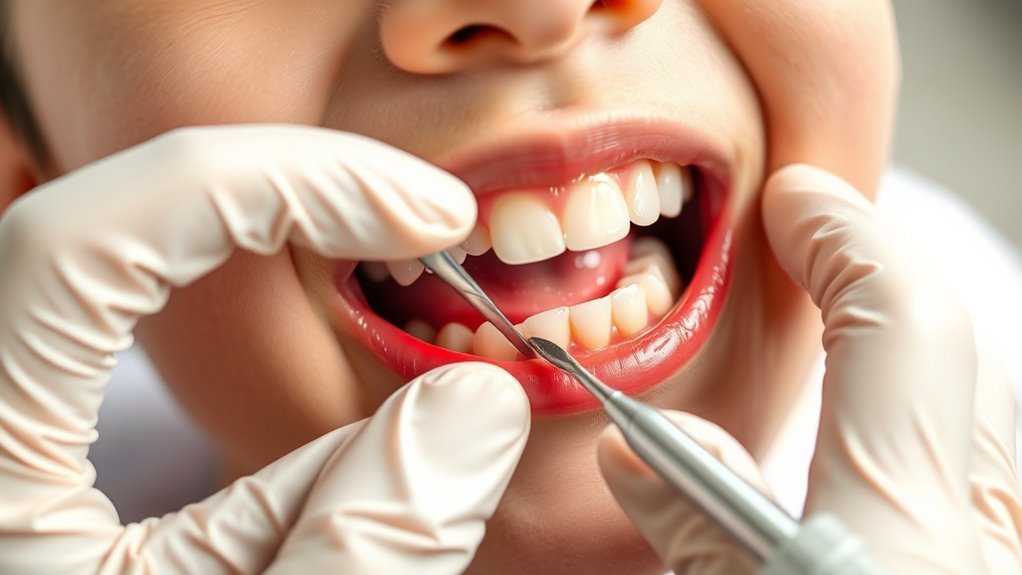
How do dentists decide whether to remove or keep a retained baby tooth? They start by using X-rays to check if permanent teeth lie beneath the baby teeth. This helps determine if extraction is necessary for proper eruption.
Dentists also assess the retained tooth’s health, alignment, and function. If it’s stable and doesn’t cause complications, they may opt to keep it.
Here’s what dentists consider:
- Presence of permanent teeth under retained baby teeth via X-rays
- Any dental complications like decay or root resorption affecting oral hygiene
- Aesthetic and functional impact, including tooth stability and alignment
Ultimately, your dentist balances these factors to decide if extraction or retention best supports your dental health and smile.
Frequently Asked Questions
How Common Is It to Not Lose Baby Teeth?
You’re part of a small group, about 2-5%, who don’t lose their baby teeth. It’s pretty rare and often linked to genetics or missing permanent teeth.
But don’t worry, your baby teeth can still serve you well with proper care. Just keep up with good dental habits, and they’ll stick around happily!
Has Anyone Ever Not Lost Their Baby’s Teeth?
Like a child clutching a fading balloon, yes, some adults still have baby teeth.
You might find yourself in this rare group, where those tiny teeth stand firm, defying time and typical dental expectations.
Why Do I Still Have Baby Teeth at 20?
You still have baby teeth at 20 because your adult teeth might be missing or impacted, or your baby teeth could be fused to the bone. Genetics and dental issues often play a role, so see your dentist regularly.
It’s pretty common to wonder why this happens. Sometimes, your adult teeth just don’t come in like they’re supposed to. Other times, those baby teeth get stuck because they’re literally attached to the bone.
If you’re dealing with this, don’t stress too much. Just make sure to keep up with your dental visits so your dentist can keep an eye on things and help you out.
Why Has My 7 Year Old Not Lost Any Baby Teeth?
Your 7-year-old hasn’t lost baby teeth yet because of natural variation in development, genetics, or possible delays.
Keep scheduling dental checkups to monitor progress and guarantee no underlying issues like missing permanent teeth or overcrowding affect tooth loss.
Sometimes kids just take a little longer, and that’s usually okay. But it’s always good to keep an eye on things with your dentist.
Conclusion
Imagine walking through life with a full set of baby teeth, flashing a permanent, adorable grin that never ages. While it sounds like a fairy tale, retained baby teeth can actually stick around longer than you’d expect!
But don’t panic—dentists have the superpower to decide if those tiny teeth stay or go, keeping your smile healthy and bright. They carefully monitor your baby teeth to make sure everything is on track.
So, while you might never truly lose your baby teeth, managing them wisely is the real magic. Retained baby teeth can sometimes cause issues, but with proper dental care, you can maintain a healthy, beautiful smile.
In the end, it is possible to never lose your baby teeth, but it’s important to work with your dentist to keep them in good shape. Understanding how to care for retained baby teeth ensures your smile stays bright and healthy for years to come.