Is Sperm Good for the Baby During Pregnancy?
You can safely have sperm exposure during pregnancy, and it might actually be good for your baby’s health. It helps your immune system get used to the fetus, which is pretty important for a smooth pregnancy.
Seminal fluid contains proteins like HLA-G that may lower risks such as preeclampsia, a condition some pregnant people worry about.
Prostaglandins in semen also play a role by helping to prepare your cervix for labor, which can make delivery easier and smoother.
In healthy pregnancies, sperm doesn’t harm your baby—in fact, it might offer some protective benefits.
So, having sperm exposure during pregnancy isn’t just safe, it could support your body in helpful ways. Keep exploring to understand how these effects work in your body and why they matter.
Key Takeaways
- Sperm exposure during pregnancy is safe and doesn’t harm the fetus. This is thanks to protective barriers like the amniotic sac and mucus plug.
- Seminal fluid contains proteins such as HLA-G, which might help reduce risks like preeclampsia. This can promote a healthier pregnancy environment overall.
- Prostaglandins in semen help ripen the cervix, which supports natural labor progression. This might lead to a smoother delivery experience.
- Sexual activity and sperm exposure are generally safe in healthy pregnancies. They may also positively influence maternal immune tolerance.
- Oral ingestion of sperm might provide immune and hormonal benefits. This could potentially reduce pregnancy complications and support fetal health.
What Happens When Sperm Meets Your Body During Pregnancy
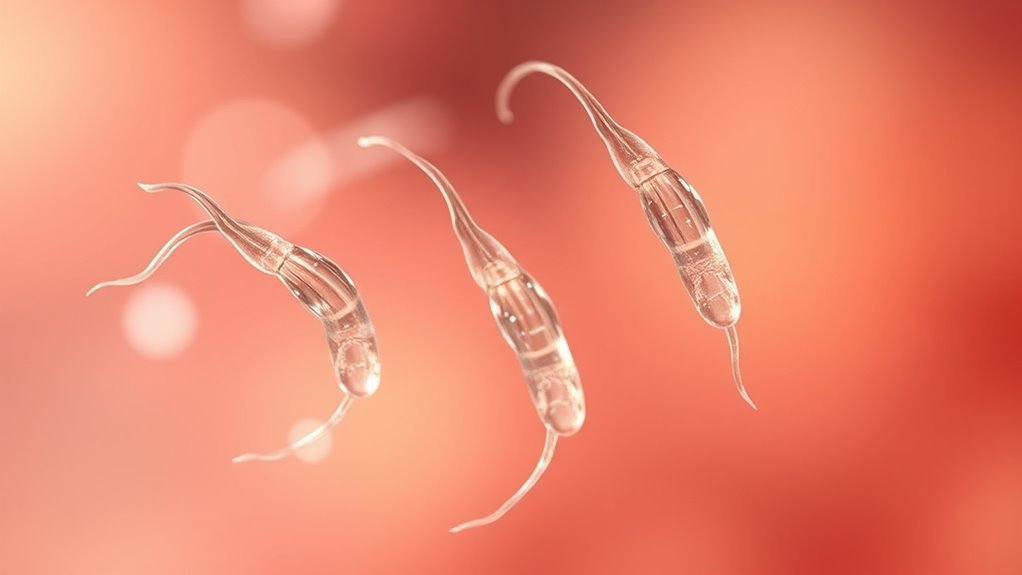
Although sperm enters your body during pregnancy, it mostly stays in the vagina and gets expelled without directly affecting the fetus. This is thanks to protective barriers like the amniotic sac and mucus plug.
When sperm meets your body, the maternal immune response may be gently influenced by proteins in seminal fluid, such as HLA-G, which could lower risks like preeclampsia. The prostaglandins in sperm also support cervical ripening, helping prepare your body for labor.
Overall, sperm exposure during pregnancy is safe as long as sexually transmitted infections aren’t a concern. These protective barriers guarantee that sperm doesn’t harm the fetus while potentially offering health benefits linked to your pregnancy’s progress.
How Sperm Exposure Could Influence Pregnancy Health and Outcomes
Understanding how sperm exposure affects your pregnancy can help clarify some common concerns and highlight potential benefits. Sperm exposure, particularly through seminal fluid, plays a role in modulating your immune system. This may reduce the risk of preeclampsia by promoting tolerance to the fetus.
Semen also contains prostaglandins that assist in cervical ripening, which can potentially aid labor as your due date approaches. Importantly, sperm exposure doesn’t increase miscarriage risk in healthy pregnancies. So, sexual activity, including oral sex, is generally safe unless your healthcare provider advises otherwise.
Some evidence even suggests that oral ingestion of sperm might help protect the baby by supporting a healthy maternal environment and reducing pregnancy complications. Overall, sperm exposure can positively influence pregnancy health and outcomes through these immune and hormonal effects.
Frequently Asked Questions
Is the Father’s Sperm Good for the Baby?
Yes, your sperm is essential for the baby’s health, providing half the genetic material and influencing development.
Keeping your sperm healthy through good lifestyle choices helps reduce risks and supports proper growth and brain development.
Is Sperm Healthy for a Baby in the Womb?
You might not guess it, but sperm can be healthy for a baby in the womb. It helps shape the baby’s development, supports the placenta, and even boosts the mom’s immune system to protect the pregnancy.
Pretty interesting, right? The role of sperm goes beyond just fertilizing the egg. It actually plays a part in making sure the pregnancy stays healthy and strong.
What Are the Benefits of Sperm to a Pregnant Woman?
You benefit from sperm exposure by potentially lowering preeclampsia risk, improving your immune response, and helping cervix ripening.
Plus, sexual activity reduces stress and enhances intimacy, supporting your overall well-being during pregnancy.
It’s a win-win for both your body and your relationship as you navigate these exciting months.
Where Do Sperm Go During Pregnancy?
Like whispers lost in a storm, sperm stay confined in your vagina during pregnancy. They can’t swim past the sealed cervix and mucus plug.
These act like a protective barrier, keeping your baby safe by keeping sperm safely out of reach.
Conclusion
You might worry that sperm exposure during pregnancy could harm your baby, but research shows it can actually support a healthy pregnancy. When sperm meets your body, it may help strengthen your immune system and promote better outcomes for your baby.
Of course, every pregnancy is unique, so always consult your doctor. But don’t be afraid—sperm exposure during pregnancy often contributes positively to your baby’s development and your overall well-being.
In fact, sperm contains proteins and hormones that may help prepare your body for pregnancy. This exposure can encourage immune tolerance, which is important for a healthy pregnancy. So, while it’s natural to have concerns, sperm exposure during pregnancy is generally safe and can be beneficial.
Always check with your healthcare provider if you have any questions or specific health conditions. Overall, sperm exposure during pregnancy is linked to positive effects on your baby’s growth and your immune health.