What Is Baby Corn and How Is It Used?
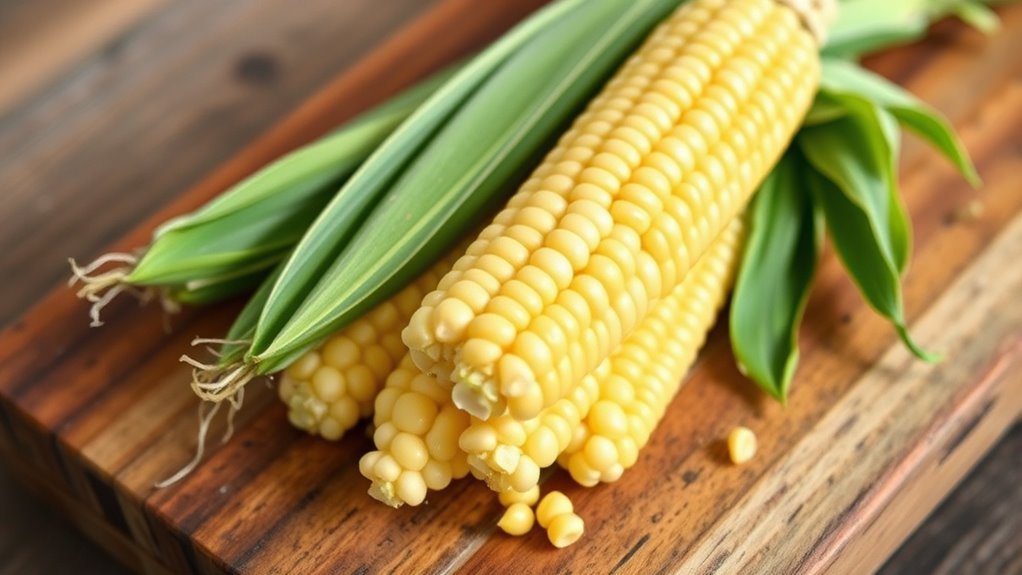
You’ll find baby corn is harvested early from regular corn plants, giving you small, tender ears with a mild flavor and crisp texture.
This tiny vegetable is a popular ingredient in many dishes because it adds a nice crunch without overpowering other flavors. It’s perfect for adding crunch to salads, stir-fries, and soups, especially when paired with flavors like garlic and soy sauce.
You can briefly blanch or stir-fry it to keep it tender, or use canned baby corn for convenience.
If you want to grow, cook, or store it well, there’s plenty more to explore.
Baby corn is pretty versatile, and once you get the hang of using it, you might find yourself adding it to all sorts of meals!
Key Takeaways
- Baby corn is harvested early from regular corn plants before pollination, resulting in small, tender ears about 4.5 to 10 cm long. It’s quite a unique vegetable because of how early it’s picked.
- It has a delicate flavor and crisp texture, making it a popular addition to salads, stir-fries, and soups. You’ll often find it adding a nice crunch and subtle sweetness to dishes.
- Commonly used in Asian cuisine, baby corn pairs well with garlic, ginger, and soy sauce for enhanced flavor. These ingredients really bring out its best taste.
- Cooking methods include brief blanching or stir-frying to maintain its tenderness and crunch. You don’t want to overcook it or it’ll lose that lovely texture.
- Fresh baby corn should be refrigerated and used within 3 to 4 days, while canned baby corn offers convenient, shelf-stable options. So, depending on what you need, you’ve got some flexibility here.
Baby Corn Basics: What It Is and How to Grow It
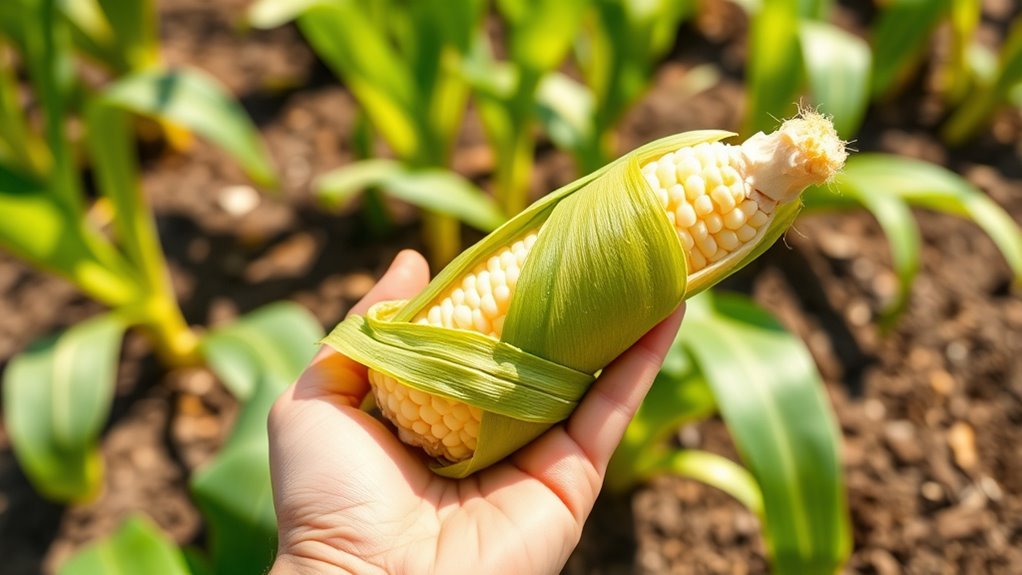
Baby corn comes from regular corn plants but is picked early, before pollination, resulting in small, tender ears about 4.5 to 10 cm long. These immature ears offer a delicate flavor and crisp texture you won’t find in mature corn.
When growing baby corn, you can use common corn varieties, spacing plants 1 to 18 inches apart for ideal growth. Planting in home gardens works well since baby corn doesn’t require pollination, and you can even harvest second ears from sweet corn crops.
Harvesting happens shortly after silk emergence, around 45 to 50 days after planting, ensuring the best flavor and texture. Because baby corn matures quickly and requires hand-picking, it’s more labor-intensive but rewarding for those interested in fresh, tender baby corn at home.
Baby Corn in the Kitchen: Recipes, Cooking & Storage Tips
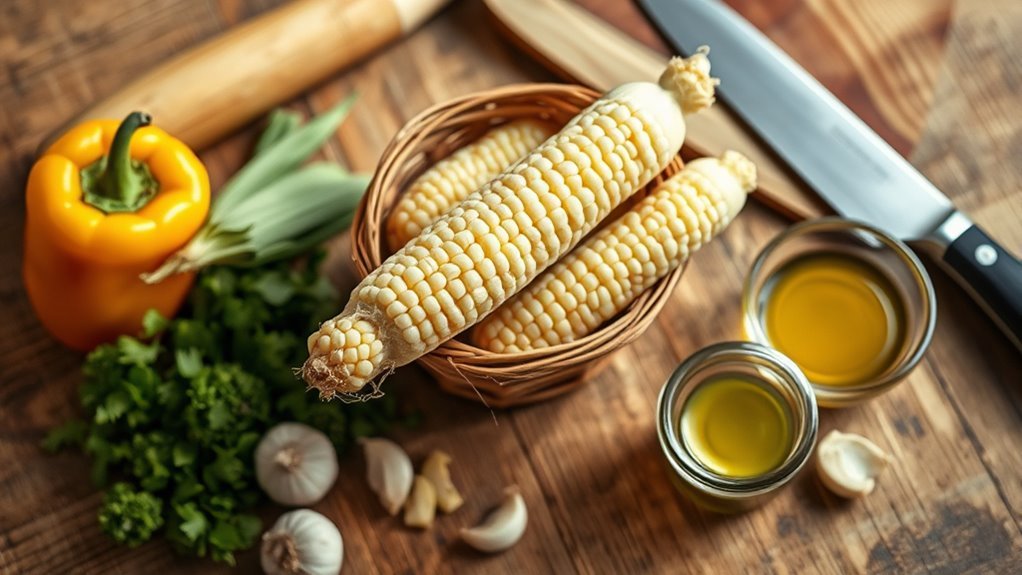
You can easily add small ears of corn to salads, stir-fries, and soups for a crisp texture that won’t overpower other flavors. Baby corn, a specialty crop, shines in recipes that highlight its mild flavor and crunch.
Add baby corn to salads and stir-fries for a mild, crunchy texture that complements any dish.
When cooking fresh baby corn, briefly blanch or stir-fry it to keep its tenderness. Canned baby corn, often preserved in water, can be added directly for convenience.
For bold flavor, try pairing baby corn with garlic, ginger, and soy sauce in Asian-inspired stir-fries. To maintain freshness, follow storage tips by refrigerating fresh baby corn and using it within 3 to 4 days.
You can also experiment with pickling or grilling for creative twists. These simple steps help you enjoy baby corn’s unique texture and taste in your kitchen.
Frequently Asked Questions
Is Baby Corn Healthier Than Corn?
Baby corn is healthier if you want fewer calories and less sugar. It offers fiber and antioxidants, helping digestion and overall health.
But, mature corn provides more nutrients. So, it really depends on your dietary goals.
Do You Eat the Entire Baby Corn?
Yes, you eat the entire baby corn, including the cob and kernels. It’s tender and mild, so you don’t need to remove anything.
Just toss it into salads, stir-fries, or enjoy it straight from the can. It’s super easy and convenient!
Does Baby Corn Taste Like Regular Corn?
You won’t find baby corn screaming with sweetness like regular corn does. It tastes way milder, almost like a blank canvas.
How Do You Eat Baby Corn?
You can eat baby corn raw as a crunchy snack or toss it into salads. You’ll also enjoy it stir-fried, grilled, pickled, or added to soups and curries for extra texture and mild sweetness.
It’s super versatile, really. Just throw it in wherever you want a little extra crunch and a hint of sweetness!
Conclusion
Now that you know what baby corn is and how to use it, don’t let its small size fool you—it’s packed with flavor and nutrients. You might think growing it takes too much time, but baby corn actually matures quickly and needs minimal care.
Whether you’re adding crunch to salads or stir-fries, baby corn is a versatile, easy-to-grow veggie. It’s definitely worth a try in your kitchen and garden.
Using baby corn in your meals can add a delightful texture and a subtle sweetness that complements many dishes. Plus, growing baby corn at home means you get fresh, organic produce right from your garden.
So, if you’re looking for a simple, flavorful addition to your cooking and a fun gardening project, baby corn is the perfect choice. Give it a shot and enjoy all the benefits this little vegetable has to offer!