
How Many Calories Are in a Baby Carrot?
You get about 3 calories from a single baby carrot, making it a smart, low-calorie snack choice that fits easily into almost any diet.
Baby carrots are a fantastic way to add crunch and natural sweetness without piling on the calories. Most of those calories come from carbohydrates, with very little fat or protein, so you can enjoy them guilt-free.
They’re perfect for satisfying hunger while supporting healthy eating habits.
Plus, baby carrots are super convenient to keep on hand whenever you need a quick, nutritious bite.
Keep exploring to see how they benefit your diet and overall health—you might be surprised by all the good they do!
Key Takeaways
- A single baby carrot contains about 3 calories.
- A standard serving of 5 to 6 baby carrots has roughly 30 calories.
Most calories in baby carrots come from carbohydrates. They have very little fat and protein content.
They provide a low-calorie, naturally sweet snack option. Perfect if you’re looking for something light and tasty!
How Many Calories Are in a Single Baby Carrot?
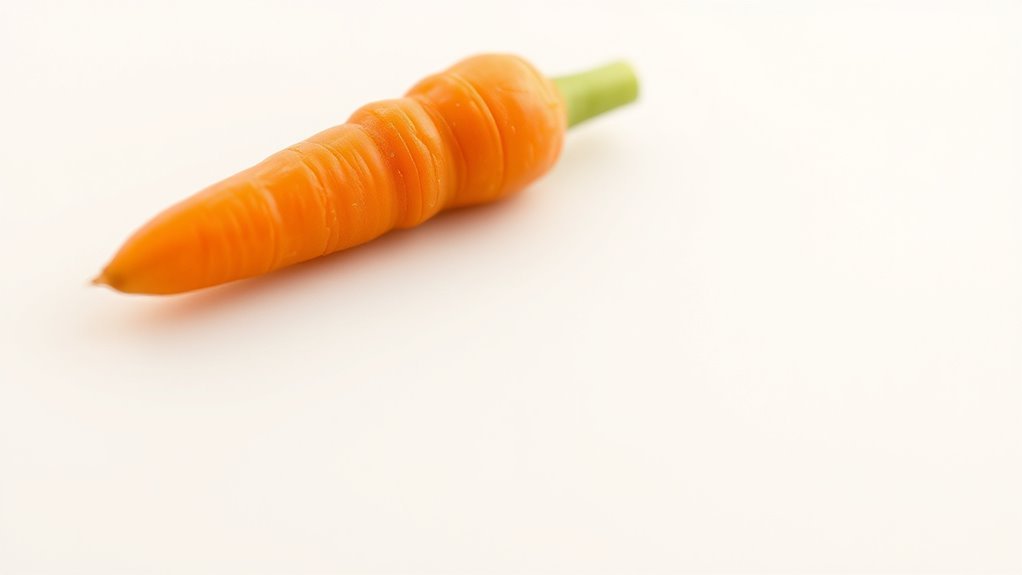
Wondering how many calories are in a single baby carrot? A single baby carrot contains about 3 calories, making it a perfect low-calorie snack.
Baby carrots are usually sold in convenient packs, and an NLEA serving of baby carrots—typically 5 to 6 pieces or around 85 grams—has roughly 30 calories. Most of these calories come from carbohydrates, with very little fat or protein.
The sugar content in this serving is about 4.1 grams, which gives baby carrots their naturally sweet flavor without adding many calories. If you’re looking for a healthy, low-calorie option to munch on, baby carrots are a great choice because they satisfy your hunger without packing on extra calories.
What Do Baby Carrot Calories Mean for Your Diet?

Because baby carrots contain so few calories, they fit easily into almost any diet, helping you manage your weight without sacrificing flavor or nutrition.
Baby carrots are low in calories, making them a perfect, nutritious choice for weight management.
A cup of baby carrots provides about 30 calories, making it a good source of fiber and vitamins without adding much to your Daily Value intake.
Their naturally occurring carbohydrates supply energy with minimal fat, supporting balanced eating habits.
According to the fact sheet on baby carrots, you can enjoy them as a snack or part of a meal to boost your vegetable intake while keeping calories low.
Including baby carrots regularly helps you stay on track with your diet goals, offering nutrition and satisfaction without guilt or excess calories.
Frequently Asked Questions
Are Baby Carrots Good for Dieting?
Yes, baby carrots are great for dieting. They’re low in calories, high in fiber, and packed with nutrients.
You’ll feel full longer and enjoy a crunchy, sweet snack without guilt or extra fat. They’re seriously a simple, tasty way to stay on track!
Is 20 Baby Carrots Too Much?
Twenty baby carrots aren’t too much if you keep it balanced; you can’t have your cake and eat it too. They’re low-cal, high-fiber, and packed with vitamins.
But don’t let them crowd out other foods. Variety is key to a healthy diet, so mix things up!
How Many Baby Carrots Is 100 Calories?
You’d need about 25 baby carrots to reach 100 calories since each has roughly 4 calories. They’re a great low-calorie snack, so you can enjoy plenty without worrying about overdoing it on calories.
Plus, they’re super crunchy and sweet, making them a satisfying munch. It’s like getting a treat without the guilt!
How Many Calories Are in 10 Raw Baby Carrots?
Ten raw baby carrots have about 40 to 50 calories, depending on their size.
You’ll get a low-calorie, nutritious snack filled with vitamins and almost no fat.
That makes them a great healthy choice!
Conclusion
Think of a baby carrot as a tiny, vibrant lantern lighting your path to healthy choices. With just a handful of calories, it won’t weigh down your journey but will add a crisp, invigorating crunch along the way.
Including these little orange gems in your diet is like inviting a gentle breeze of nourishment that keeps your body energized and your goals within reach. So go ahead—snack smart and let baby carrots brighten your day.
When it comes to calories in a baby carrot, they’re incredibly low, usually around 4 to 5 calories each. That means you can enjoy a satisfying, crunchy snack without worrying about adding too many calories to your daily intake.
Incorporating baby carrots into your meals or as a quick snack is a simple, tasty way to stay on track with your health goals. So next time hunger strikes, remember these little orange delights are not just delicious—they’re a smart choice for your calorie-conscious lifestyle!