Free Shipping Over $55

(USD $)

Blog

  • What Do Puppies Lose When They Lose Their Baby Teeth?

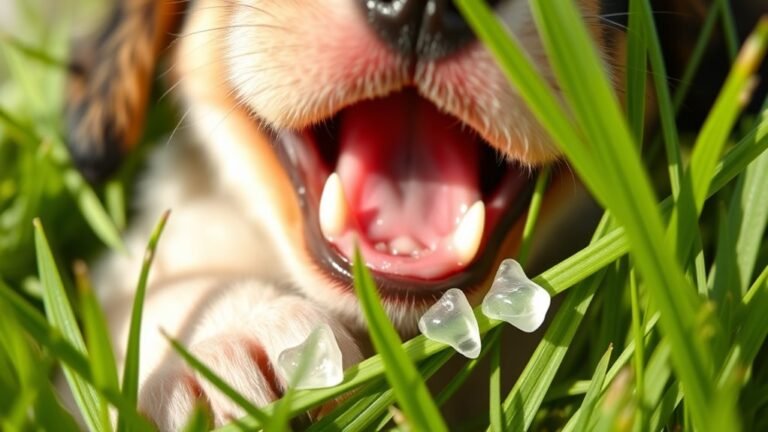
    When your puppy loses its baby teeth, it’s shedding small, sharp teeth like incisors, canines, and premolars between 3½ to 5 months old. This process makes room for a full set of 42 adult teeth and helps their jaws develop correctly.

    Losing these teeth is key for proper chewing and prevents overcrowding. Taking care of this phase guarantees healthy adult teeth, setting the stage for strong chewing and overall growth.

    There’s more to understand about why this change matters. It’s all part of helping your puppy grow up healthy and happy.

  • What Are Baby Rabbits Called and How to Care for Them

    Baby rabbits, called kits or kittens, are born blind and hairless, needing your careful care. You’ll provide a clean, soft nest and guarantee the mother feeds them her nutrient-rich milk, which boosts their immunity.

    Around three weeks, they start nibbling solid food, and you should monitor their health daily by weighing them and watching for dehydration signs. Proper care helps kits grow strong.

    Keep following along, and you’ll discover more essential tips for raising healthy baby rabbits.

  • 7 Factors That Determine How Much a Baby Cow Costs

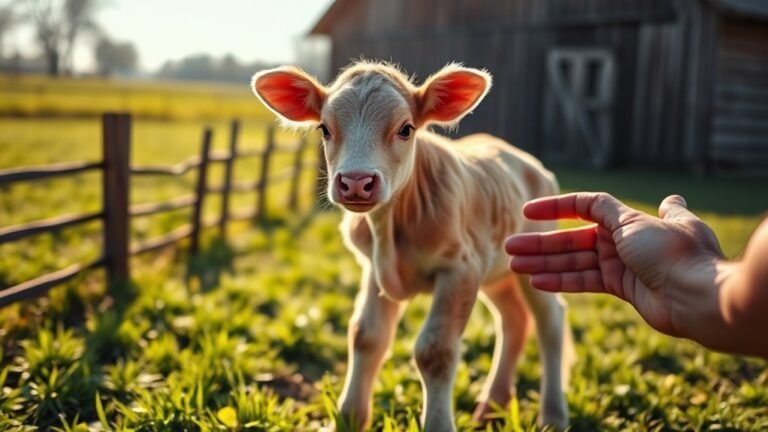
    You’ll find that a baby cow’s cost depends on breed quality and genetics, with premium breeds and traits driving prices higher.

    Age and weaning success also matter—older, healthier calves fetch better rates.

    Weight, size, and feeding practices impact value, especially if calves are organic-fed or grass-fed.

    Market demand peaks seasonally, particularly in summer, and sale methods or location can shift prices considerably.

    Keep going to uncover all the key factors that shape calf pricing.

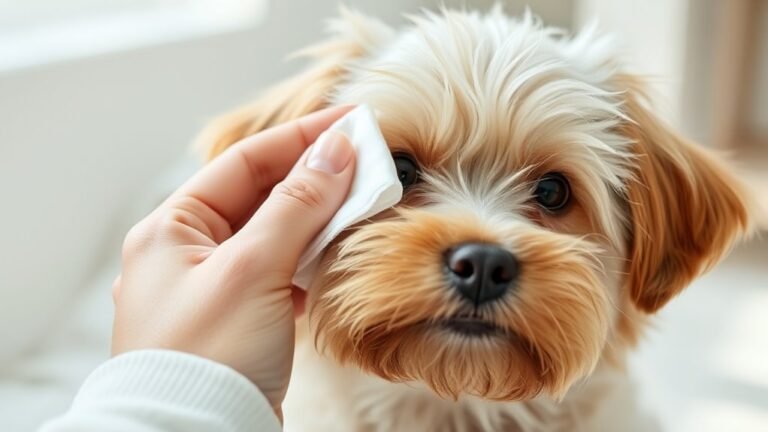
  • How Can You Safely Use Baby Wipes on Dogs?

    You can safely use baby wipes on your dog only occasionally. Just make sure to choose unscented and alcohol-free ones to avoid irritation.

    Be careful to avoid sensitive areas like the face and paws. And never use them on broken or irritated skin.

    Use wipes sparingly so you don’t disrupt your dog’s skin pH. If you can, always rinse the cleaned spots with water afterward.

    For safer grooming, think about other alternatives. It’s also a good idea to chat with your vet for advice tailored to your pup.

    There’s definitely more to learn about keeping your dog clean and comfortable!

  • How to Understand Baby Clothes Size 80

    To understand baby clothes size 80, focus on your baby’s height, usually around 76 to 82 cm, rather than just age or weight. Size 80 typically fits infants aged 9 to 12 months weighing 9 to 12 kg.

    Keep in mind that growth varies, so measuring height on a flat surface helps you pick the right fit. Choosing stretchy, comfortable fabrics makes dressing easier.

    If you want tips on finding the perfect style and fit, keep exploring what works best. It’s all about making sure your little one feels cozy and looks adorable!

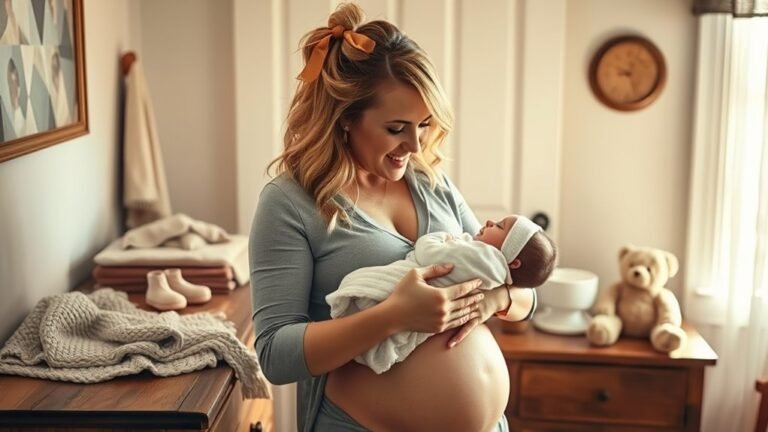
  • When to Have a Baby Shower: Step-by-Step Timing Guide

    You should plan your baby shower 6 to 8 weeks before your due date to celebrate comfortably during the third trimester. Start by consulting the parents-to-be to confirm their preferences and check key guests’ availability.

    Prepare the baby registry about two months ahead and send invitations 1-2 months prior, allowing guests time to RSVP. Don’t forget to reflect on cultural traditions and potential scheduling conflicts.

    Keep going to uncover tips that make your shower smooth and special. You’ll want everything to feel just right for this exciting time!

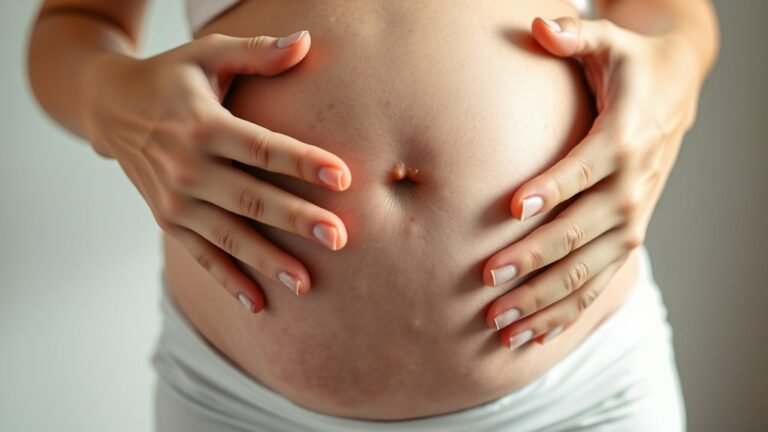
  • How to Tell Baby Position by Kicks

    You can tell your baby’s position by paying attention to where they kick. Kicks under your ribs usually mean the baby’s head is down, while kicks near your pubic bone could indicate a breech position with feet or buttocks down.

    If kicks concentrate on one side, your baby might be lying sideways (transverse). Noticing these patterns helps you understand your baby’s orientation and can improve your prenatal care.

    Keep exploring cues to learn more about your baby’s movements. It’s a great way to connect and feel more prepared for what’s coming!

  • 7 Signs Miranda Lambert Did Have a Baby

    You can spot seven signs that Miranda Lambert did have a baby, starting with her heartfelt pregnancy announcement on social media. She shared a touching photo with Brendan McLoughlin that really touched fans.

    Close sources confirmed their excitement about expanding their family shortly after their third anniversary. Fans’ enthusiastic reactions and Miranda’s nurturing public appearances also highlight this new chapter.

    Despite some rumors and skepticism, Miranda’s strong relationship and future plans show she’s ready for this family journey. There’s more to uncover about their story and fan reactions.

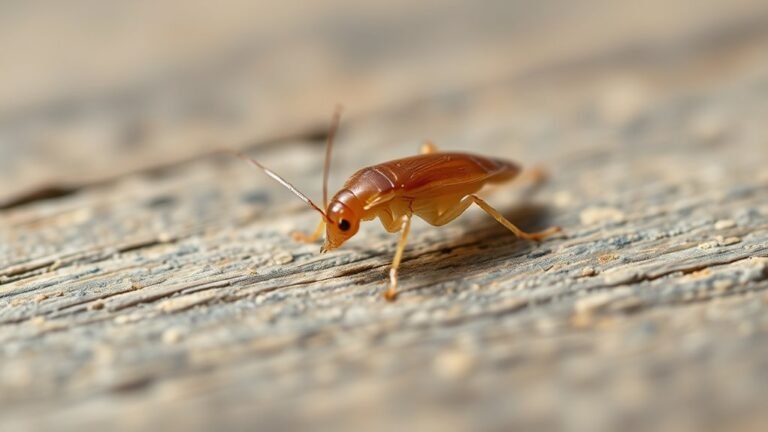
  • What Does a Baby Roach Look Like?

    You’ll spot baby roaches, called nymphs, by their small, soft, wingless bodies that darken and harden as they grow. Depending on the species, size and markings vary—German cockroach nymphs are tiny with dark stripes, while American and Oriental nymphs have reddish-brown hues and distinct patterns.

    These changes help you identify them early and control pests effectively. Keep exploring to discover how different species stand out and grow over time.

  • What Does a Baby Pigeon Look Like?

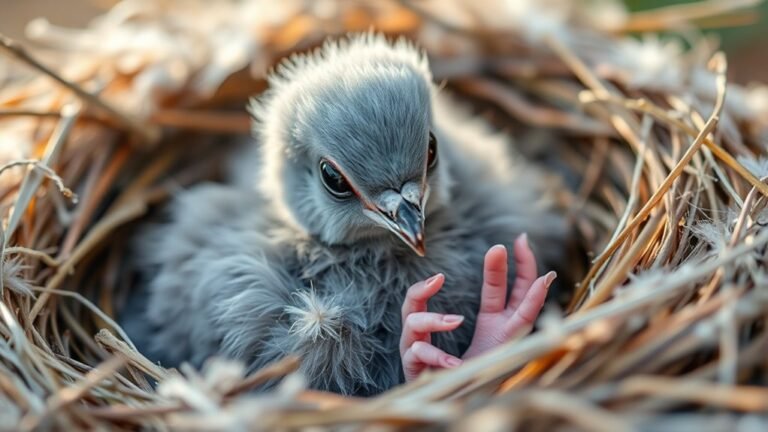
    You’ll spot a baby pigeon, or squab, by its flat pink beak and patchy fuzz instead of full feathers. Its head looks smaller compared to its body, and it lacks the shiny neck feathers adults have.

    The cere, or the area above the beak, is a dull pinky-grey, not white like grown pigeons. Squabs stay sheltered for a few weeks, growing quickly before they’re ready to fly and look more like adults.

    There’s more to discover about their early life. It’s pretty fascinating how much they change in just a short time!