How to Tell If Baby Is Cold
You can tell if your baby is cold by checking their torso, neck, or stomach for coolness, since hands and feet aren’t reliable. These areas give you a better idea of their core temperature.
Look closely for signs like shivering, pale skin on their nose or lips, fussiness, or frequent waking during sleep.
It’s a good idea to dress your baby in one lightweight layer more than you’d wear yourself.
Also, avoid loose blankets for safety reasons—they can be a hazard.
If you want to guarantee your baby stays warm and comfy throughout the night, there’s more helpful advice to explore.
Key Takeaways
- Check the baby’s torso, neck, or stomach for coolness to see if they might be cold.
- Look out for shivering or pale skin, especially on the nose, lips, or fingertips. These can be signs your baby is feeling chilly.
- Notice if the baby is unusually fussy or wakes up a lot during sleep. This could mean they’re uncomfortable because of the cold.
- Keep in mind that cold hands and feet are totally normal. They’re not the best way to tell if your baby is cold.
- Make it a habit to check and adjust your baby’s clothing layers regularly. Pay attention to how they’re acting and what the room temperature is like.
How to Recognize When Your Baby Is Cold (Physical and Behavioral Signs)
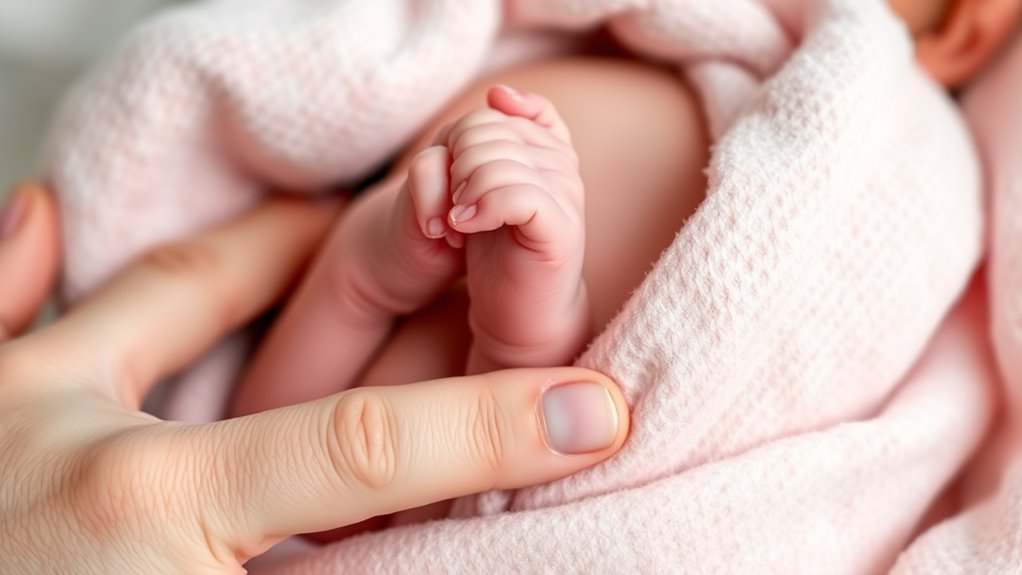
Recognizing when your baby is cold starts with checking their torso, neck, or stomach, since cold hands and feet alone don’t reliably show their overall temperature. You should check your baby’s skin regularly, focusing on a warm torso and cool hands, which usually means they maintain warmth well.
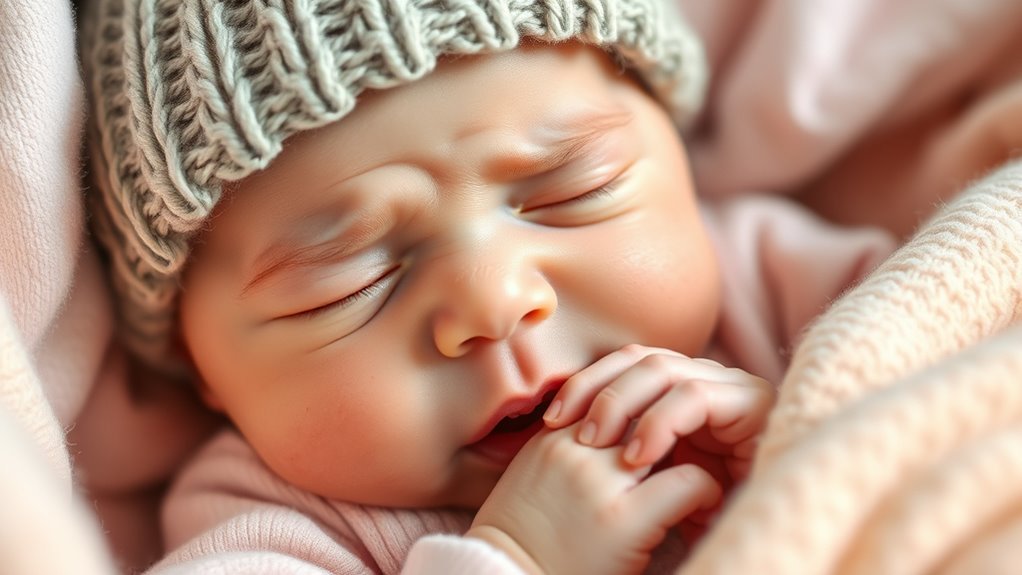
Physical signs like shivering or pale skin on the nose, lips, or fingertips can indicate that your baby is cold. Also, watch for fussiness or frequent waking during sleep, as these behavioral signs often signal discomfort from being too cold.
When dressing your baby, use one more lightweight layer than you’d wear, adjusting for the sleeping environment to keep them comfortable. Spotting these signs your baby shows helps you guarantee they stay warm and cozy throughout the night.
How to Keep Your Baby Warm and Comfortable for Safe Sleep
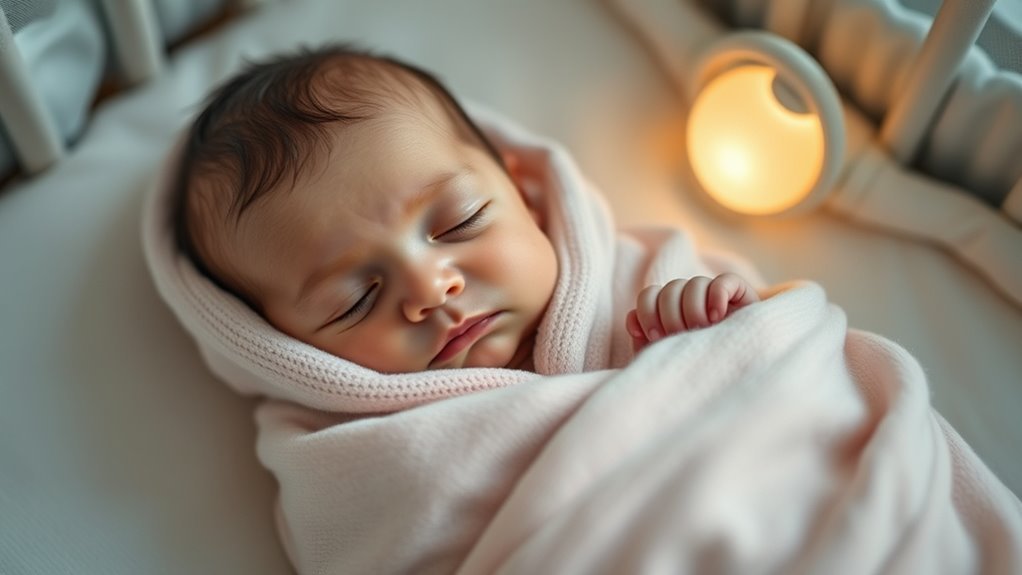
Maintain your baby’s comfort and safety during sleep by keeping the room temperature between 68 to 72°F (20 to 22°C). Dress them in one more layer than you would wear comfortably to help keep them warm.
A lightweight onesie plus a sleep sack works great for staying warm without the risk of loose blankets. Be sure to check your baby’s torso and back regularly; cold hands and feet don’t necessarily mean they’re cold overall.
Keep an eye out for signs like shivering or pale skin, and adjust layers as needed. Doing this helps reduce the risk of SIDS and keeps your baby comfortable throughout the night.
| Tip | Details |
|---|---|
| Room Temperature | 68 to 72°F (20 to 22°C) |
| Clothing Layers | One more than you’d wear comfortably |
| Sleepwear | Use TOG-rated sleep sacks |
| Temperature Check Points | Torso and back, not hands or feet |
| Signs to Watch | Shivering, pale skin |
Frequently Asked Questions
How Do You Know if a Baby Is Cold at Night?
You’ll know your baby’s cold if their torso or neck feels chilly, their skin looks pale, or they’re shivering.
If they’re fussier or waking often, add a layer and check the room temperature too.
What Are the Signs of Cold in Babies?
You’ll notice pale skin on the nose, lips, or fingertips, shivering, or cold torso and neck.
Your baby may get fussier or wake often, so check their core temperature, not just hands and feet.
It’s important to keep an eye out for these signs to make sure your little one stays warm and comfortable.
Do Babies Get Cold Easily?
You might think babies are like knights in shining armor, but they get cold easily due to their small size and immature circulatory system.
You’ll want to keep them cozy to prevent fussiness or shivering, especially in cooler rooms.
Is 70 Degrees Too Cold for a Baby Room?
No, 70 degrees isn’t too cold for a baby room. You should dress your baby in one extra layer than you’d wear, ensuring they stay cozy without overheating.
Also, check their torso, not just their hands or feet. That’s the best way to make sure they’re comfortable.
Conclusion
Remember, “an ounce of prevention is worth a pound of cure.” If you notice your baby’s skin feeling cool, shivering, or fussiness, these are signs they might be cold.
You can keep them warm by dressing them in layers, using breathable fabrics, and ensuring their sleeping area is cozy but not overheated.
Staying attentive to these signs helps your baby stay comfortable and safe, giving you peace of mind every night. Watching for these signs of a cold baby is key to preventing discomfort or health issues.
By keeping your baby warm and cozy, you’re helping them rest better and grow stronger. So, always check if your baby feels chilly and adjust their clothing or bedding accordingly to keep them snug and safe.