What Does a Baby Roach Look Like?
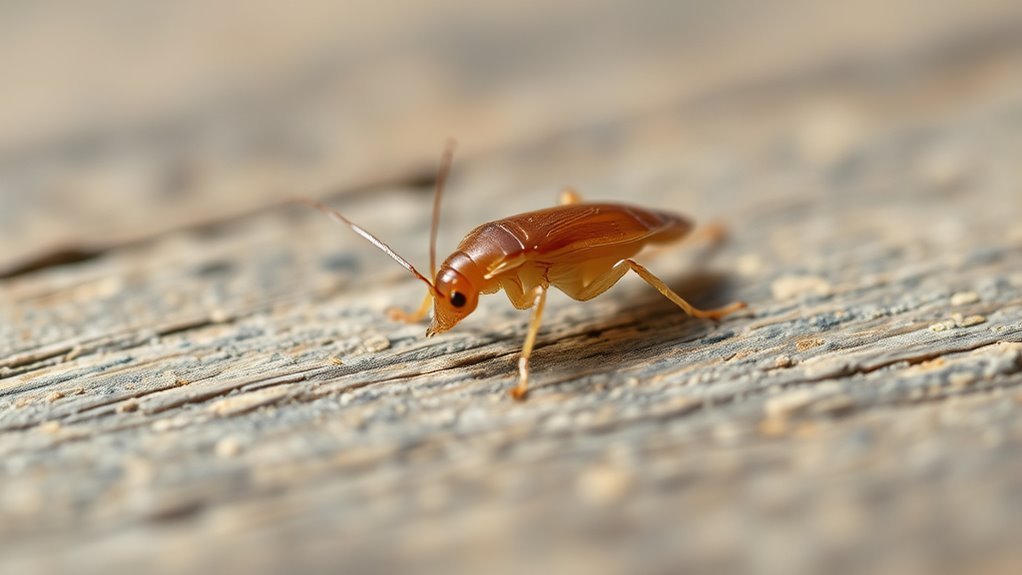
You’ll spot baby roaches, called nymphs, by their small, soft, wingless bodies that darken and harden as they grow.
These baby roaches look quite different from adults, so knowing what to watch for can help you catch an infestation early. Depending on the species, size and markings vary—German cockroach nymphs are tiny with dark stripes, while American and Oriental nymphs have reddish-brown hues and distinct patterns.
These changes help you identify them early and control pests effectively.
Keep exploring to discover how different species stand out and grow over time. Understanding what baby roaches look like is the first step to keeping them under control.
Key Takeaways
- Baby roaches, called nymphs, are small, soft, and pale when they’re newly hatched. They darken and harden as they grow.
- Nymphs don’t have wings. They often show dark stripes, especially the German cockroach nymphs, which have two parallel stripes on their backs.
- Size depends on the species. For example, American nymphs are about 1/4 inch long and reddish-brown.
- German nymphs are smaller, around 1/8 inch, and range from dark brown to black.
- Oriental cockroach nymphs are roughly 1/4 inch too, but they’re dark reddish-brown with distinctive light and dark bands.
- To identify baby roaches, it helps to look at their size, color, and markings. Sometimes, checking out egg cases can also give clues to tell the species apart.
How Baby Roaches Look As They Grow
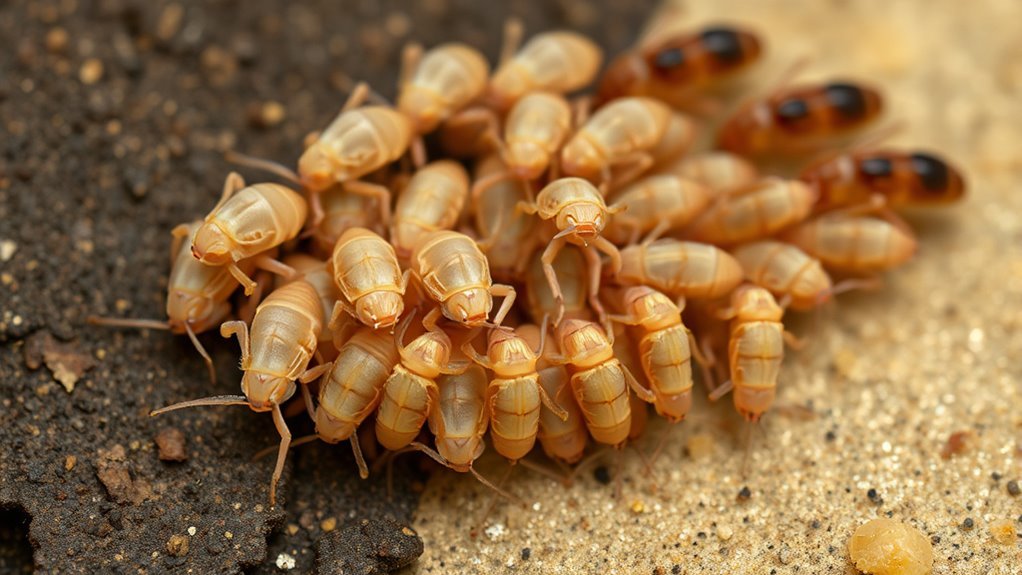
Although baby roaches, called nymphs, start off soft and pale right after hatching, you’ll notice they darken and harden as they grow. Baby cockroaches look quite different through the stages of development.
Cockroach nymphs go through multiple molts, during which their exoskeletons harden and dark stripes may appear, especially on German cockroach nymphs. American cockroach nymphs, larger at birth, show reddish-brown coloring with a distinctive halo marking behind the head.
Throughout their growth, nymphs remain wingless, developing adult wings only after their final molt. As they mature, their speed increases, helping them dart swiftly to dark hiding spots.
Understanding how nymphs change helps you identify their presence and anticipate their next growth phase. It’s pretty handy to know what to look for!
Identifying Baby Roaches By Species
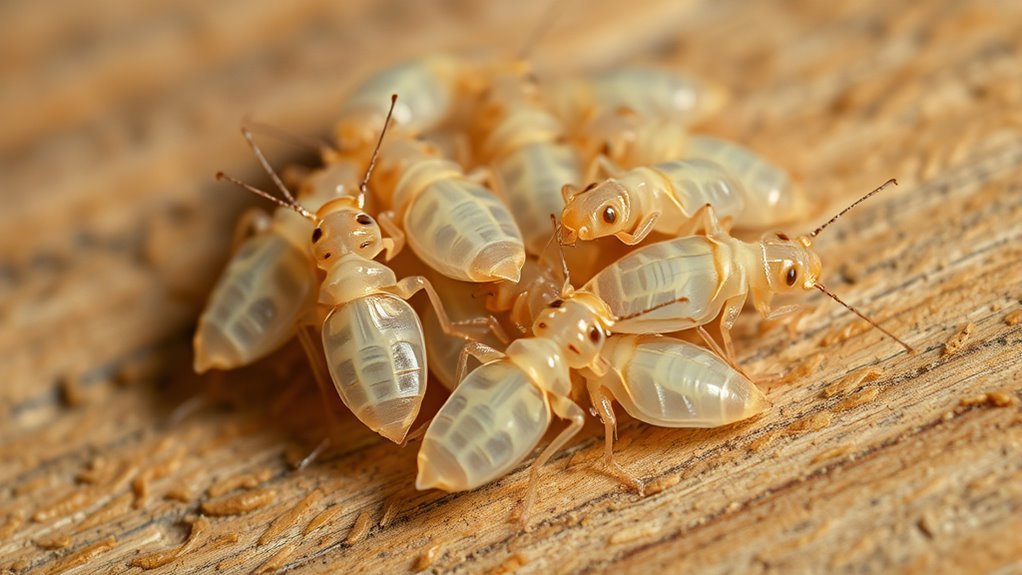
Recognizing the differences in baby roaches can make spotting the specific species much easier. To identify baby roaches, focus on the distinguishing features of cockroach nymphs.
American cockroach nymphs are about 1/4 inch long, reddish-brown, with a notable halo marking behind the head. German cockroach nymphs are smaller, roughly 1/8 inch, dark brown to black, and have two dark parallel stripes on their backs.
Oriental cockroach nymphs also measure around 1/4 inch but display dark reddish-brown coloring with light and dark band patterns as they grow. By observing size, color, and markings on baby roaches, you can accurately identify the species.
Also, checking egg cases can give clues about which species you’re dealing with. It’s a handy tip to keep in mind when you’re trying to figure things out.
Frequently Asked Questions
How to Tell if It’s a Baby Roach?
You can tell it’s a baby roach if it’s small, wingless, and pale or darkening in color with a flat, oval body and long antennae.
Watch for signs of molting as it grows and changes shade. They tend to look a bit different each time they shed their skin.
What Can Be Mistaken for a Baby Roach?
You can mistake baby roaches for bed bugs or beetles. Bed bugs are shorter with oval shapes and short antennae, while beetles have hard shells.
Check where you find them to tell the difference. It really helps to know their usual spots!
Why Am I Seeing Tiny Baby Roaches?
Seeing tiny baby roaches is like spotting sparks from a fire—you’ve got an active infestation nearby.
They’re breeding close by, so you’ll need to act fast to stop more from multiplying and invading your space.
Is It Bad to Find a Baby Cockroach?
Yes, finding a baby cockroach is bad because it means you likely have an infestation nearby.
You’ll need to act quickly to control the population before they mature and multiply rapidly. That can make the problem a lot worse, fast.
Conclusion
Just like a tiny wizard’s apprentice growing into full power, baby roaches start small and plain but quickly transform into the creepy crawlers you know. Once you recognize their early signs, you’re better armed to spot them before they multiply.
So, keep your eyes peeled—under that kitchen counter or behind that old box, those little ninjas might be hiding, ready to surprise you when you least expect it. Stay vigilant!
Knowing what a baby roach looks like is key to early detection. These tiny pests may seem harmless at first, but spotting them early can save you from a bigger infestation. Keep checking common hiding spots and act fast if you find any. That way, you can keep your home roach-free and comfortable.