
Author: Alexia Panza

  • Why Does My Baby Sound Congested but No Mucus?

    If your baby sounds congested but has no mucus, it’s likely due to tiny nasal passages swelling just enough to block airflow without producing discharge.

    Irritants like dry air, allergens, or smoke can inflame these sensitive tissues, causing that stuffy noise. You can help by keeping the air moist, avoiding triggers, and gently clearing the nose.

    If congestion persists or worsens, there are important steps and signs you’ll want to know to keep your baby comfortable and breathing well.


  • How to Get Phlegm Out of Your Baby’s Throat Safely

    To safely get phlegm out of your baby’s throat, position them with their head slightly lower than their chest to help mucus drain naturally. Use gentle saline drops in their nostrils to loosen the mucus, then carefully suction with a sterilized bulb syringe without inserting it too far.

    Keep the process calm and comfortable for your baby. If you want to know how to keep mucus thin or when to seek medical help, you’ll find helpful tips ahead.

  • 10 Tips on What to Wear to a Baby Shower as a Guest

    When dressing for a baby shower, choose semi-formal or smart-casual attire that fits the setting and season. Opt for flattering styles like A-line or wrap dresses in soft pastels or floral prints. Just avoid white to respect the mom-to-be.

    Prioritize breathable fabrics and comfortable shoes like flats or wedges. You’ll want something easy to mingle in without any fuss. Keep accessories simple and cohesive to complete your look.

    By aligning your outfit with the celebration’s vibe and the mom’s style, you’ll strike the perfect balance of comfort and charm. Want to look even more polished? Explore more tips to refine your look flawlessly.

  • What Determines the Sex of a Baby?

    You determine your baby’s sex at conception, based entirely on which sperm fertilizes the egg. The egg always carries an X chromosome, while sperm carry either an X or a Y.

    If a sperm with an X chromosome wins, you’ll have a girl (XX). If it carries a Y, you’ll have a boy (XY).

    Though fertilization is random, your genetics influence sperm composition and may subtly sway the odds. Keep exploring to uncover how your father’s genes play a role.

  • How Do Baby Cockroaches Look Like and How to Identify Them

    You’ll recognize baby cockroaches by their tiny, wingless bodies, usually about 1/8 to 1/4 inch long. They start off white or light gray but darken to brown shades as they grow.

    Look for six spiny legs and long antennae, plus rapid, scurrying movements. Different species show unique markings—like German cockroach nymphs’ dark bodies with light bands.

    Spotting these details helps you identify them quickly and manage infestations effectively. There’s more to uncover about their behavior and species traits.

  • When Is a Baby No Longer a Newborn?

    You’ll know your baby is no longer a newborn around 28 days, when you start seeing clear growth and improved head control. Your baby will stay awake longer during the day, smile socially, and engage more with you.

    Feeding and sleep patterns begin to stabilize, with longer sleep stretches at night. These changes mark the shift to the infant stage.

    Keep exploring to understand how these milestones support your baby’s development and changing needs. It’s pretty amazing to watch!

  • Why Won’t My Baby Stop Crying: How to Soothe Your Infant Fast

    If your baby won’t stop crying, they’re likely hungry, tired, or uncomfortable. Look for signs like hand movements or lip smacking to spot hunger. Fussiness can mean they’re tired, or restlessness might show they’re uncomfortable.

    Quickly soothe them by swaddling, gentle rocking, or offering a pacifier with soft shushing sounds. A warm bath can also help relax your baby.

    If crying persists or feels intense, understanding effective calming strategies can provide more relief for both of you. Don’t worry, you’ll get the hang of it!

  • What Are Baby Hairs and How to Style Them

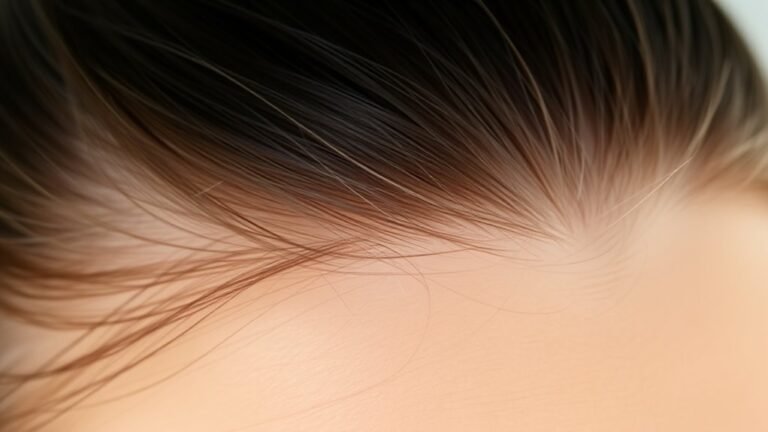
    Baby hairs are those fine, wispy strands that naturally grow along your hairline. They signal healthy new growth and add a unique charm to your look.

    You can style them gently using edge control to shape and define without causing damage. Just be sure to avoid tight hairstyles to protect these delicate strands.

    Also, keep them nourished with lightweight products. Taking care of your baby hairs not only enhances your look but also boosts your hair health.

    There’s plenty to explore about caring for and styling these tiny beauties. It’s all about finding what works best for you!

  • How to Hold a Baby in 5 Simple Steps

    To hold a baby safely, always support their head and neck gently for the first weeks, cradling the head with one hand and the bottom with the other. Use comfortable positions like the cradle hold or shoulder hold, keeping baby close to your body.

    Avoid lifting by the arms or placing pressure on soft spots. Wash your hands before handling and pass baby securely.

    Mastering these basics will help you feel confident and comfortable while caring for your little one. To gain deeper insights, keep exploring essential tips.

  • When Can Baby Sleep With a Lovey?

    You can safely introduce a lovey into your baby’s sleep routine once they reach 12 months old. Before that, it’s best to avoid placing any items in the crib to reduce suffocation risks.

    Choose soft, safe loveys without small parts. Try to gradually build your baby’s attachment by including the lovey in daily activities.

    Also, remember to regularly check the lovey for wear and keep sleep environments safe. Keep going to discover how to introduce loveys in a way that supports comfort and safety.