How Does Baby Powder Help With Sweat?
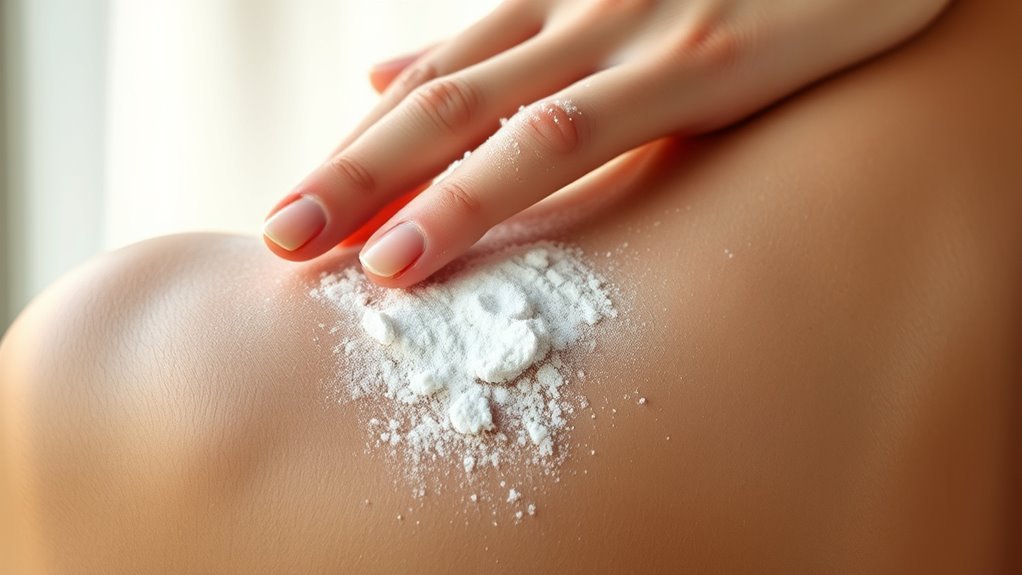
Baby powder helps you stay dry by quickly absorbing sweat and drawing moisture away from your skin.
Its main ingredients, like talc or cornstarch, soak up sweat efficiently while reducing friction and irritation. This makes it gentle for sensitive skin and great for everyday use.
It also limits the moisture that bacteria need, which helps control odor and keeps you feeling fresh.
You can apply it after showers or before putting on shoes, especially in hot, sweaty conditions.
There’s more to discover about how baby powder keeps you comfortable all day long.
Key Takeaways
- Baby powder absorbs moisture from sweat, keeping your skin dry and comfortable.
- The talc or cornstarch in baby powder works as a great absorbent agent.
- It also helps reduce friction and irritation that happen when your skin is damp during movement.
- Plus, baby powder limits the moisture that bacteria need to grow, which helps control odor.
- On top of that, it’s a gentle, chemical-free alternative to harsh antiperspirants.
How Baby Powder Absorbs Sweat
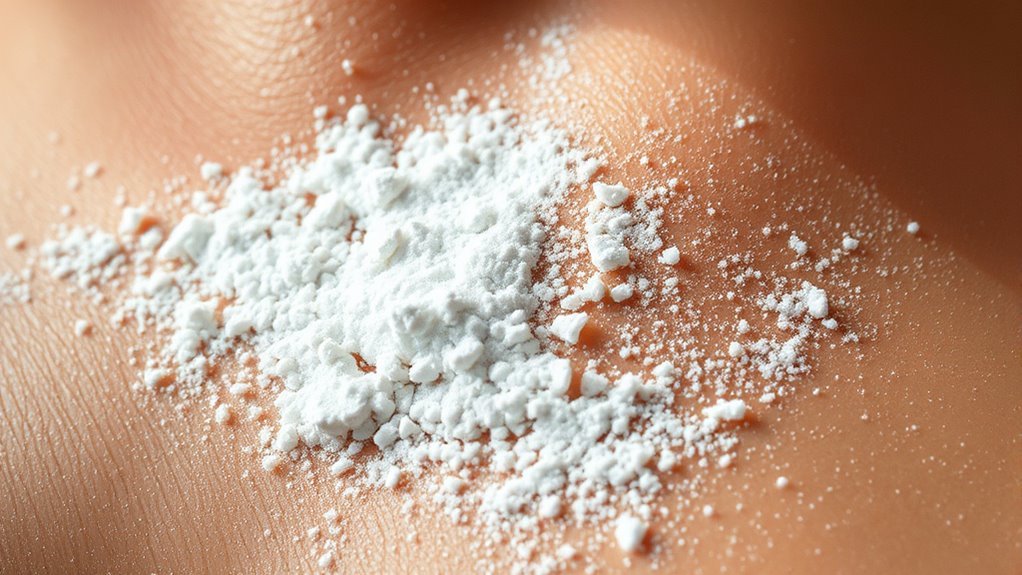
Baby powder absorbs sweat by drawing moisture away from your skin, thanks to its main ingredients like talc or cornstarch. As an effective absorbent agent, baby powder soaks up sweat quickly, keeping you dry.
Talc’s astringent properties help create a dry surface that continuously manages moisture, making it especially useful if you have hyperhidrosis. Using baby powder reduces friction between skin surfaces, which lessens irritation and discomfort during movement.
Plus, it’s gentle enough for sensitive skin, offering a soothing alternative to harsher products. By absorbing sweat, baby powder also helps mask odors by limiting the moisture that bacteria thrive on.
When to Use Baby Powder for Sweat
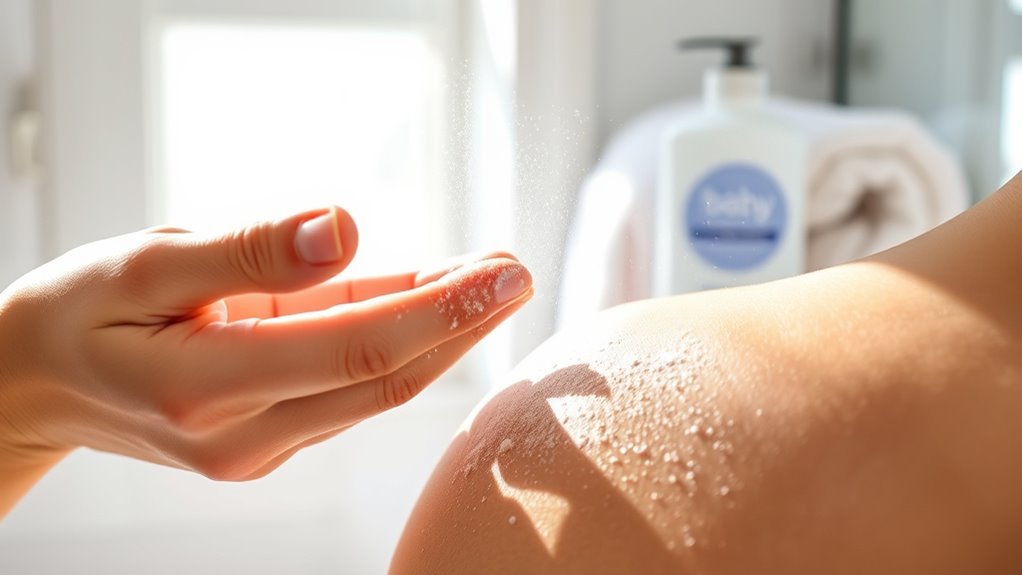
Although you might think of it as just a baby care product, powder can be a great way to manage sweat throughout the day. You should apply baby powder after showers to take advantage of its moisture absorption. This helps keep skin dry in areas prone to underarm sweat, sweaty feet, and hands.
If you experience excessive sweating, dusting baby powder—whether talc or cornstarch-based—can offer relief and improve comfort. It’s especially useful before putting on shoes to combat sweaty feet.
For sensitive skin, baby powder provides a gentle alternative to harsh antiperspirants, reducing irritation risks. You can reapply it throughout the day, particularly in hot or humid conditions, to maintain dryness and freshness with ease.
Frequently Asked Questions
Does Putting Baby Powder on Your Armpits Stop Sweating?
No, baby powder doesn’t stop sweating, but it absorbs moisture and reduces friction.
You’ll feel drier and more comfortable temporarily. But if you sweat a lot, you’ll need stronger antiperspirants or medical treatments.
What Is Swamp Butt?
Swamp butt is when your buttocks get overly sweaty, causing discomfort, chafing, and irritation.
You’ll notice wetness, redness, and itchiness, especially after sitting or exercising in hot, humid conditions.
It’s pretty common, and while it’s annoying, there are ways to help prevent it or soothe the symptoms.
What Is the Best Thing to Stop Sweating?
You should try clinical-strength antiperspirants first—they block sweat glands effectively. If that’s not enough, consider medical treatments like Botox.
Also, wear breathable fabrics and stay hydrated to help manage sweating naturally throughout the day. It really makes a difference when you combine these tips.
Why Is Baby Powder No Longer Recommended?
You shouldn’t trust baby powder anymore because it’s like a hidden storm—talc may carry harmful asbestos and cancer risks.
Instead, you’d better choose safer, natural alternatives that protect your health without dark shadows.
Conclusion
Now that you know how baby powder absorbs sweat by soaking up moisture and keeping your skin dry, you can see why it’s so useful. In fact, studies show that nearly 40% of people use baby powder daily to stay fresh and prevent discomfort caused by sweat.
So, next time you’re feeling sticky or want to avoid chafing, reach for baby powder—it’s a simple, effective way to stay comfortable and dry throughout the day. Using baby powder helps manage sweat by keeping your skin dry and reducing friction, which means less irritation and more comfort.
In short, baby powder is a great sweat absorber that keeps you feeling fresh and prevents sweat-related discomfort. Whether you’re dealing with heat, exercise, or just everyday sweat, baby powder is an easy, reliable solution to stay dry and comfortable all day long.