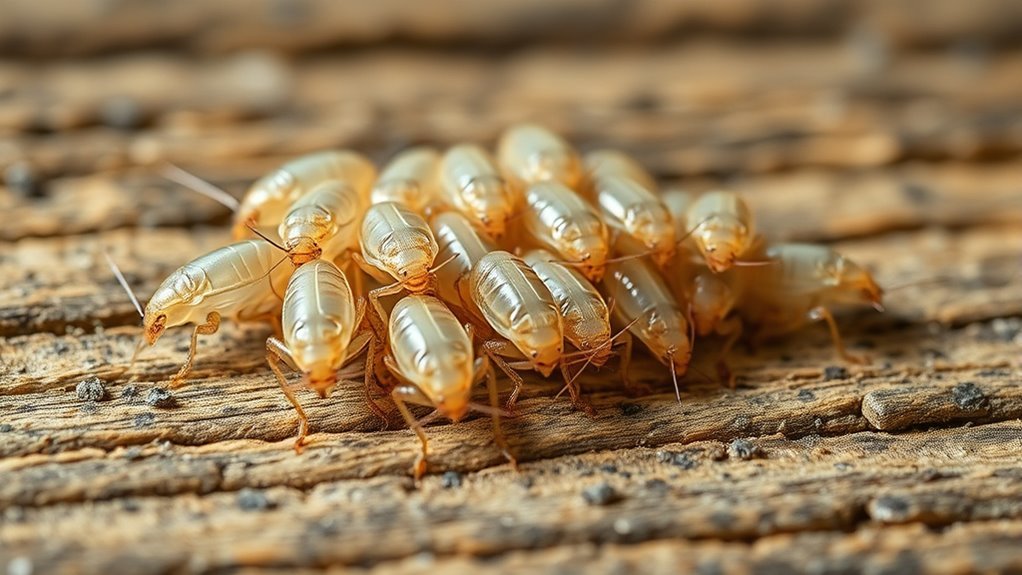
How Do Baby Cockroaches Look Like and How to Identify Them
You’ll recognize baby cockroaches by their tiny, wingless bodies, usually about 1/8 to 1/4 inch long.
These little nymphs start off white or light gray but darken to brown shades as they grow.
Look closely and you’ll see six spiny legs and long antennae, plus their rapid, scurrying movements that set them apart from other bugs.
Different cockroach species show unique markings—like German cockroach nymphs’ dark bodies with light bands.
Spotting these details helps you identify baby cockroaches quickly and manage infestations effectively.
There’s actually more to uncover about their behavior and species traits, which can be super helpful if you want to keep your home pest-free.
Key Takeaways
- Baby cockroaches are wingless and usually about 1/8 to 1/4 inch long. They start off white and then change to brown as they grow.
- They have six spiny legs and two long antennae. You’ll notice they move quickly and scurry around a lot.
- German cockroach nymphs are around 1/8 inch in size. They’re oval-shaped and dark with parallel light bands.
- Different species look a bit different though. For example, American nymphs are bigger and reddish-brown, while brown-banded ones have light brown bands.
- So, paying attention to their size, color patterns, and behavior can really help you spot them and control infestations better.
Recognizing Baby Cockroach Nymphs: Appearance and Behavior
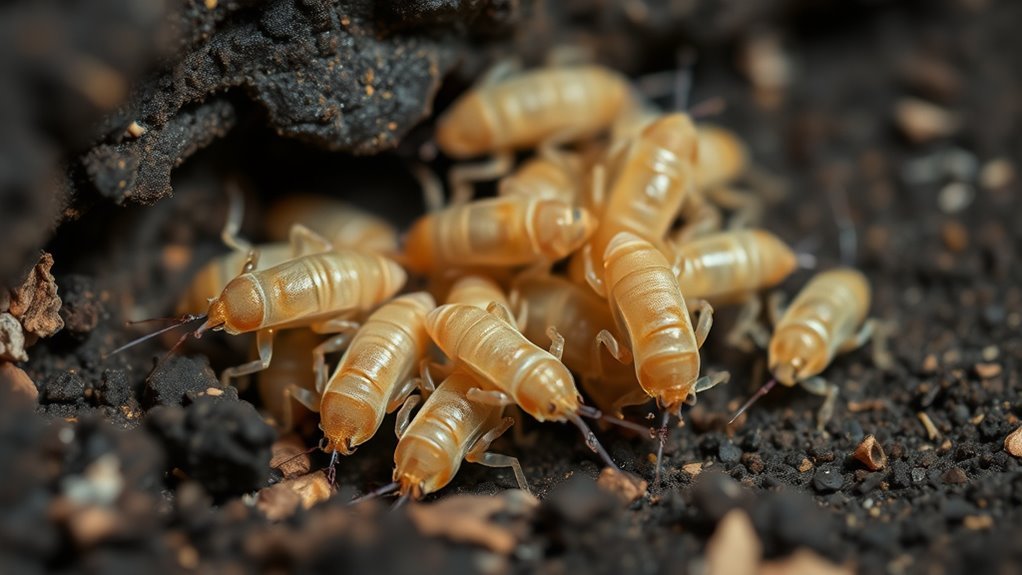
Although baby cockroaches look like miniature adults, you’ll notice they’re wingless and much smaller, typically between 1/8 to 1/4 inches long. To identify these nymphs, focus on their appearance and behavior.
Newly hatched nymphs start white or light gray but darken to shades of brown as they grow. German cockroach nymphs are small and oval with dark brown parallel lines, while American cockroach nymphs are larger and reddish-brown.
Newly hatched nymphs begin pale and darken with age; German nymphs are small with stripes, Americans larger and reddish.
You’ll spot their six spiny legs and two long antennae, which they use to navigate and detect vibrations. Their quick, scurrying behavior helps them hide in dark, moist places like kitchens and bathrooms.
Recognizing these sizes and traits makes it easier to identify baby cockroaches in your home. It’s all about paying attention to the little details!
Identifying Baby Cockroach Species: Key Visual Differences
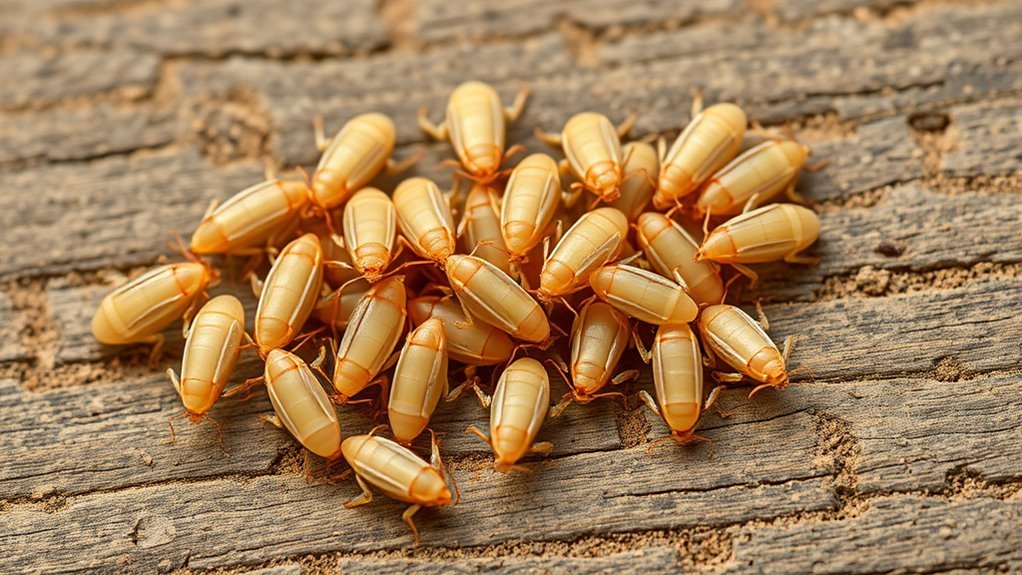
When you want to identify baby cockroach species, focusing on their size, color, and distinctive markings is key. Baby cockroaches look different based on their species, helping you quickly identify baby cockroach nymphs.
German cockroach nymphs are small, about 1/8 inch, with dark bodies and parallel light bands. Brown-banded cockroaches are similar in size but have light brown bands behind their heads without the German’s dark stripes.
American cockroaches are larger at 1/4 inch, reddish-brown, with a halo marking as they mature. Oriental cockroach nymphs also reach 1/4 inch, showing mixed light and dark bands.
Smoky brown cockroaches are the largest, around 3/8 inch, darkening from brown to black and lacking distinct markings. These visual differences help you identify species of cockroaches effectively.
Frequently Asked Questions
Should I Be Worried if I See a Baby Cockroach?
Yes, you should be worried if you see a baby cockroach. It means adult roaches are nearby, and an infestation is growing.
Act quickly to prevent health risks and stop them from multiplying rapidly in your home. Don’t wait too long—these little pests can take over fast!
What Can Be Mistaken for a Baby Cockroach?
Tiny shadows in your home can be mistaken for baby cockroaches—they might actually be bed bugs or small beetles.
You’ll want to check antenna length and body shape to spot the real intruder quickly and act.
It’s easier than you think once you know what to look for!
Is It Hard to Get Rid of Baby Roaches?
Yes, it’s hard to get rid of baby roaches because they reproduce quickly and hide well. You’ll need consistent cleaning, sealing entry points, targeted insecticides, and possibly professional help to fully eliminate them and prevent re-infestation.
Seriously, these little pests can be super stubborn. Keeping your space clean and blocking off where they sneak in is key. And sometimes, you just need that extra boost from insecticides or calling in the pros.
Does One Baby Cockroach Mean an Infestation?
Yes, one baby cockroach usually means you have an infestation nearby. You’ll want to act fast because they reproduce quickly.
Seeing just one often means there are adults and more nymphs hiding in your home. It’s a good idea to check around and take action before things get worse.
Conclusion
Now that you know what baby cockroaches look like and how to spot their subtle differences, you’re one step ahead in keeping them out of your space. But here’s the twist—these tiny nymphs can be surprisingly tricky to catch.
Will you be able to identify them before they multiply? Stay alert, because recognizing those first signs might just save you from a full-blown infestation.
The real challenge? It’s only just beginning. Understanding how to identify baby cockroaches early is crucial in preventing an infestation. These small pests grow fast and multiply quickly, so spotting them early can make all the difference.
By staying vigilant and knowing what baby cockroaches look like, you can protect your home and keep these unwanted visitors at bay. Remember, early detection is key to effective pest control and maintaining a clean, healthy living space.






2 Comments