
Day: September 26, 2026

  • At What Age Does a Baby Start Smiling?

    You can expect your baby to start showing genuine social smiles around 6 to 8 weeks, usually by the end of their second month. These smiles involve the whole face and respond to familiar voices or faces, unlike reflex smiles that only use the mouth.

    If your baby hasn’t started smiling by 12 weeks, consider consulting a pediatrician. Understanding how to encourage these smiles and support shy babies can help you nurture their early social development.


  • How Long Should a Baby Shower Be

    You should plan your baby shower to last about two to three hours. This timeframe gives your guests ample time to arrive and mingle, enjoy lively games, and sit through gift opening without feeling rushed.

    Typically, guests settle in for 30-45 minutes, play games for another 30-45 minutes, and spend up to an hour on gifts. Wrapping up with cake creates a smooth finish.

    If you want to organize everything perfectly, there’s more to contemplate about timing and activities. Just keep in mind, a well-paced shower keeps everyone happy and engaged!

  • When to Introduce Eggs to Baby: Step-by-Step Guide

    You should introduce eggs to your baby around six months, once they can sit with support and show interest in solids. Start with well-cooked egg yolk, mashed and mixed with breast milk or formula for easier swallowing.

    Gradually increase the amount over several days while watching for allergy signs like rashes, swelling, or vomiting. Only try egg whites after yolk tolerance, and consult your pediatrician with any concerns.

    Here’s what else you need to know about allergies and safe feeding.

  • When Can Baby Face Forward in Carrier How to Guide

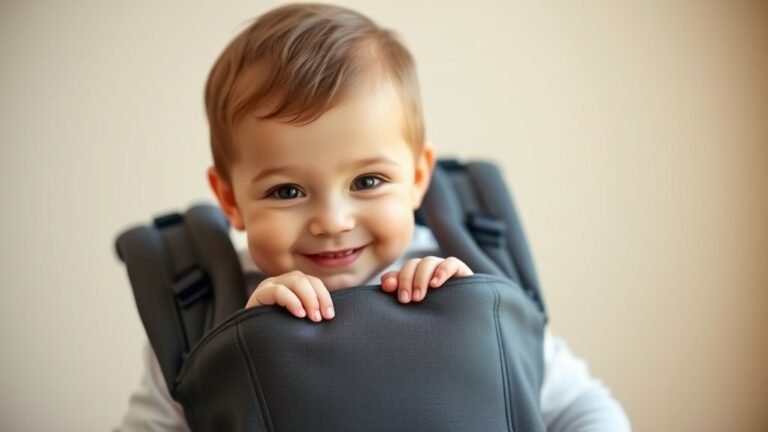
    You can safely carry your baby facing forward once they have strong head and neck control and can sit upright without support, usually around 5 to 6 months old. Make sure your carrier supports this position and provides proper hip and spine support.

    Limit forward-facing time to 10-15 minutes to avoid overstimulation, and watch your baby’s cues for comfort or fussiness. Keep your baby’s well-being in mind, and you’ll soon know how to adjust based on their preferences and safety needs.

  • What Does a Baby Rat Look Like?

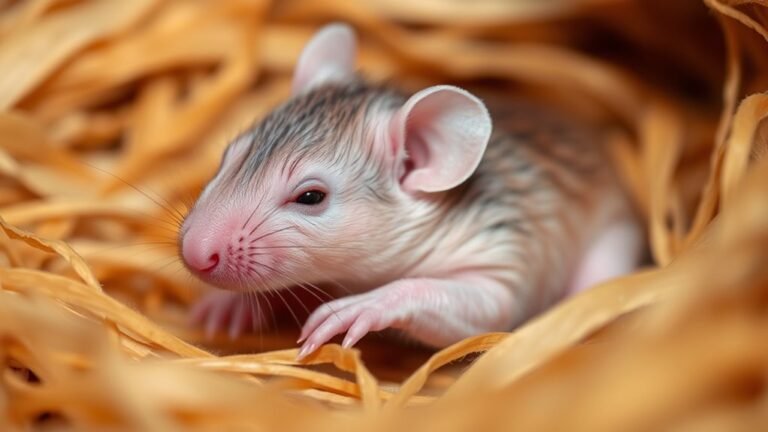
    You’ll recognize a baby rat by its bright pink, hairless skin and large head that looks big compared to its body. Its eyes stay closed at birth, and the tail is thick, short, and hairless.

    They’re small, usually 1 to 3 inches, and their body is more robust than a mouse’s. As they grow, they develop fur and open their eyes around three weeks.

    Keep looking if you want to learn about their growth and nesting habits.

  • What Is a Baby Zebra Called?

    You call a baby zebra a foal, no matter the gender. If it’s male, it’s a colt; if female, it’s a filly.

    Baby zebras are born with brown stripes that darken into the classic black and white as they grow. They stand within minutes and can run very soon after birth, relying on their mother’s milk for energy.

    Staying close to mom helps keep them safe. There’s plenty more to discover about how they grow and survive.

  • Did Maggie Lose the Baby?

    Yes, Maggie loses the baby after a traumatic fire at the diner, which deeply impacts her emotionally. This heartbreaking event creates tension between her and Cal, causing struggles with intimacy and communication.

    The loss forces Maggie to confront her grief, leading to significant personal growth and changes in their relationship. If you want to understand how this tragedy shapes Maggie’s journey and strengthens her connection with Cal, there’s much more to uncover.