

Day: September 13, 2026

  • What Do Tiny Baby Roaches Look Like?

    You’ll spot tiny baby roaches by their small size—about the length of a grain of rice—and distinct colors. German cockroach nymphs look oval and light brown with two dark stripes, while American nymphs are reddish-brown and oblong with a halo marking.

    They have long antennae and spiny legs. Baby roaches like hiding in dark, moist spots like behind appliances or cabinet hinges. Keep an eye out, because knowing these signs can help you catch an infestation early and learn more about where they lurk.

  • How Many Bottles Do You Need for Baby Feeding?

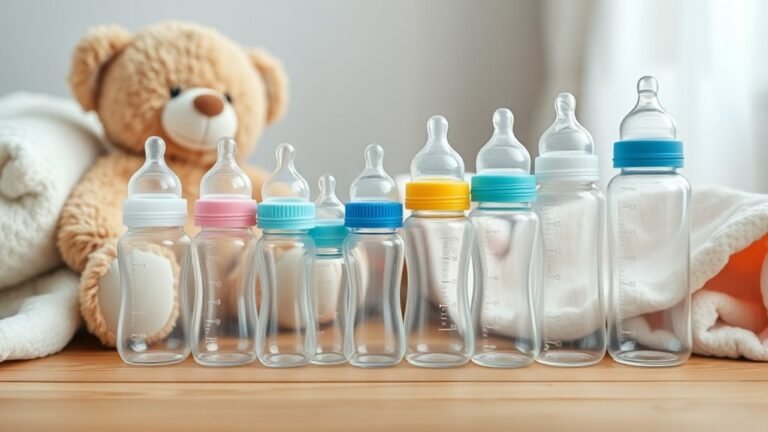
    You’ll generally need between 4 and 10 bottles for feeding your baby, depending on their age and how you feed them. Newborns require more bottles due to frequent feedings, especially if formula-fed.

    On the other hand, exclusively breastfed babies need fewer bottles. As your baby grows and feeding intervals lengthen, you’ll likely use fewer bottles.

    Cleaning habits and shifts between breastfeeding and formula also affect your bottle count. If you want to adapt your supply effectively, understanding these changes will help.

  • When Can a Baby Go in a Pool How to Guide

    You can safely take your baby to the pool around six months old, once they have strong head control and can regulate body temperature better. Choose a clean, warm pool with low chlorine levels and avoid harsh chemicals.

    Always keep your baby within arm’s reach and don’t rely on flotation devices. Start with short swims of 20 to 30 minutes, and watch for signs of discomfort.

    If you want to guarantee a smooth first pool experience, there’s more you should know.

  • Is Baby of the Year Legit and How to Verify It

    You can tell if Baby of the Year is legit by checking for clear contest rules, transparent prize details, and verifying the organizer’s credibility. Don’t trust unsolicited invites or sites with vague info and poor quality.

    Look for reputable sponsors like Baby2Baby with good ratings on Charity Navigator or BBB. Avoid contests asking for upfront fees or excessive personal info.

    If you want to protect yourself fully, it helps to learn the key signs and verification steps involved. It’s always better to be safe than sorry!

  • How to Flip a Breech Baby in 10 Essential Steps

    To flip a breech baby, first confirm the position with your healthcare provider. Then, address pelvic imbalances caused by posture or tight muscles.

    Practice pelvic exercises like hip circles and bridge lifts daily. These moves really help get things in the right place.

    Use forward-leaning inversions, breech tilt, and knee-chest positions regularly to encourage turning. It might feel a bit strange at first, but it’s worth trying.

    Gentle abdominal massage and Rebozo techniques also help. They’re great for relaxing your body and creating space.

    Consider professional methods like Webster chiropractic care and moxibustion for added support. These can give you that extra boost you might need.

    Keep these steps in mind to improve your chances before birth. And stay tuned for more helpful tips ahead!

  • When Do You Stop Burping Your Baby at What Age

    You typically stop burping your baby between 4 and 6 months when their digestive system matures, and they swallow less air during feedings.

    If your baby seems more content after meals and starts burping on their own, you can ease up. However, if they’re still fussy, spitting up, or arching their back, they might need burping longer.

    Keep an eye on these signs to know when to adjust, and you’ll discover more about helping your baby stay comfortable.

  • When to Start Feeding Baby Cereal Safely

    You should start feeding your baby cereal between four to six months once they show signs like good head control, sitting up with support, and no tongue-thrust reflex.

    Use iron-fortified, single-grain cereals mixed with breast milk or formula, offering a smooth texture. Introduce new cereals one at a time, watching for allergies.

    Avoid adding cereal to bottles to reduce choking risks. Keeping these tips in mind will help you create a safe and positive feeding experience as you explore baby cereals further.