Day: September 3, 2026

  • What Does a Baby Roach Look Like?

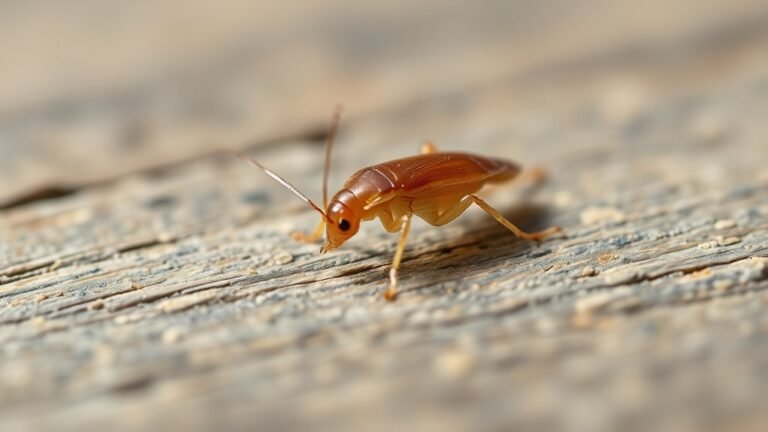
    You’ll spot baby roaches, called nymphs, by their small, soft, wingless bodies that darken and harden as they grow. Depending on the species, size and markings vary—German cockroach nymphs are tiny with dark stripes, while American and Oriental nymphs have reddish-brown hues and distinct patterns.

    These changes help you identify them early and control pests effectively. Keep exploring to discover how different species stand out and grow over time.

  • What Does a Baby Pigeon Look Like?

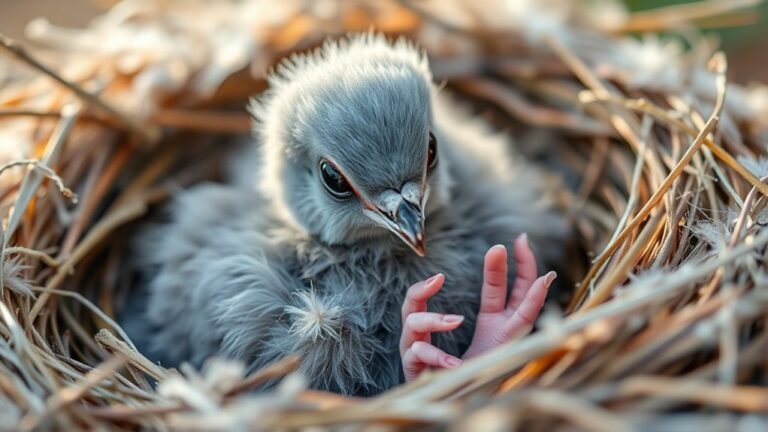
    You’ll spot a baby pigeon, or squab, by its flat pink beak and patchy fuzz instead of full feathers. Its head looks smaller compared to its body, and it lacks the shiny neck feathers adults have.

    The cere, or the area above the beak, is a dull pinky-grey, not white like grown pigeons. Squabs stay sheltered for a few weeks, growing quickly before they’re ready to fly and look more like adults.

    There’s more to discover about their early life. It’s pretty fascinating how much they change in just a short time!

  • When Can Baby Use a Jumper?

    You can start using a baby jumper when your little one is between 4 to 6 months old and has strong head and neck control. Your baby should also show interest in standing and have enough back strength to stay safe.

    Always adjust the jumper height so their feet touch the floor. And make sure to supervise closely during short 10 to 15-minute sessions.

    To keep your baby safe and happy, there are important guidelines you’ll want to know next. So, let’s dive into those!

  • How to Introduce Eggs to Baby in 7 Easy Steps

    You can introduce eggs to your baby safely around six months by starting with a small amount of well-cooked, mashed egg mixed with breast milk or formula. Offer eggs two to three times a week, gradually increasing portions and textures while watching closely for allergy signs like hives or upset stomach.

    Avoid choking hazards by serving soft, bite-sized pieces as they grow. Keep track of reactions and have a plan in place.

    There’s more to learn about serving eggs creatively and safely as your baby grows. Just take it slow and enjoy this exciting new step!

  • What Is a Baby Elephant Called?

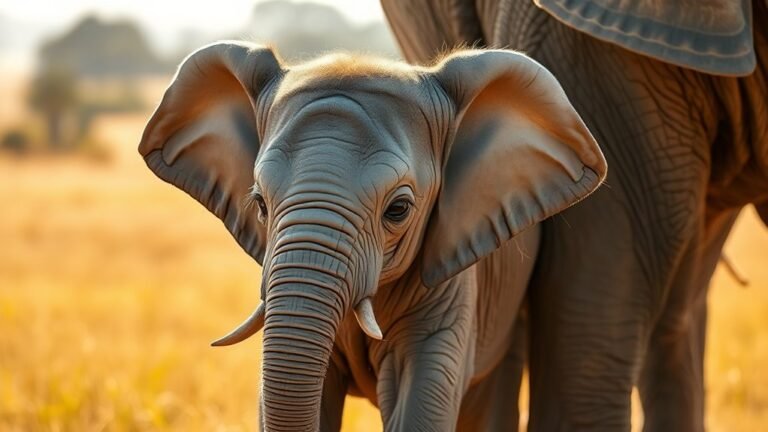
    You call a baby elephant a “calf,” a name that highlights its key role within the herd and the strong maternal care it receives. From birth, calves rely heavily on their mothers, who invest long months of energy and protection to help them survive.

    These young elephants start off weighing about 90 kilograms and learn essential skills by observing older herd members. If you keep exploring, you’ll discover how calves grow and thrive in such nurturing social environments.

  • Is Baby Breath Toxic to Cats?

    Yes, Baby’s Breath is toxic to your cat due to a harmful compound called gyposenin. If your cat ingests it, they may vomit, have diarrhea, drool, or lose their appetite.

    Even contact with the plant’s sap can cause skin irritation. Kittens and unhealthy cats can have more severe reactions.

    It’s important to remove Baby’s Breath from your home and watch your pet closely. Keep an eye out for signs and learn how to protect your furry friend effectively.

  • Is Baby Oil Good for Your Hair?

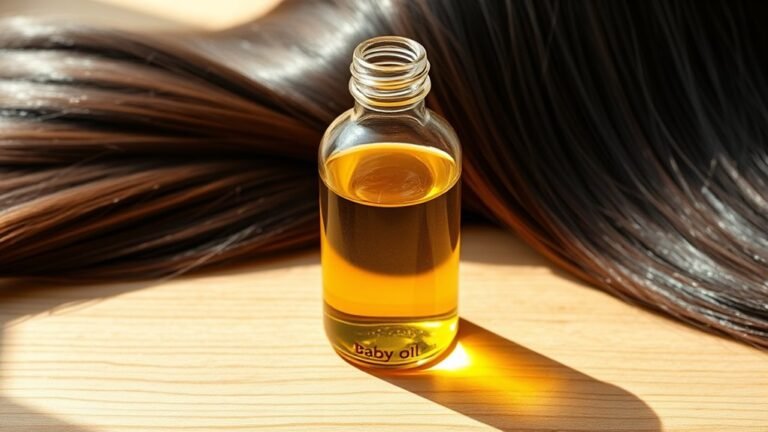
    Yes, baby oil can be great for your hair and scalp. It locks in moisture, soothes dryness and dandruff, and creates a healthy environment that supports hair growth.

    Using it as a pre-shampoo treatment helps protect strands from damage, reduces frizz, and adds shine. Just apply the right amount for your hair type and focus on the ends to avoid greasiness.

    Keep going to discover how to use baby oil safely and get the best results for your hair.