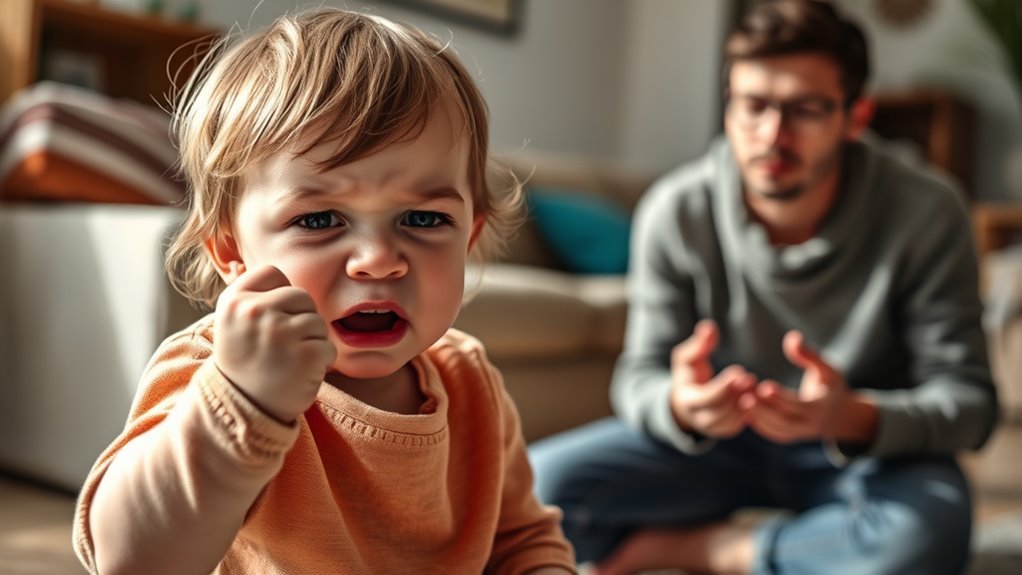
Is Baby Boo Syndrome Real and How Do You Respond?
Baby Boo Syndrome isn’t a real medical condition—it’s actually a viral TikTok trend. People mimic twitching movements to a remix of NBA YoungBoy’s song, and that’s where it all started. You might have heard about it or even seen it online.
There can be pressure to join in, especially among students who want to fit in. But remember, participating should always be your choice.
Protecting your mental well-being comes first.
It’s important to support anyone feeling anxious and respect their boundaries. If you want to understand how to handle this trend thoughtfully and support others, there’s definitely more to think about.
Just take it one step at a time!
Key Takeaways
- Baby Boo Syndrome is not a real medical condition. It’s actually a viral TikTok trend that mimics erratic movements.
- The trend started with @yazimenz’s video, which features a remix of NBA YoungBoy’s song “What You Is.”
- Joining in on the trend should always be voluntary. This helps avoid any peer pressure or anxiety, especially for students.
- It’s important to support students by encouraging open conversations. Also, respect their comfort levels when it comes to the trend.
- You can use this trend as a chance to talk about social media’s influence. It’s also a good opportunity to discuss mental health and critical thinking.
What Is Baby Boo Syndrome?
Baby Boo Syndrome isn’t a real medical condition but a viral TikTok trend that took off in February 2026. You’ve probably seen videos where people mimic erratic, twitching movements to a remix of NBA YoungBoy’s “What You Is.”
This viral TikTok trend grabbed attention with its catchy hook, “She gon call me baby boo,” making it instantly memorable. Creators often use a documentary style to frame their clips, humorously treating Baby Boo Syndrome as if it were a serious diagnosis, even though it’s entirely fictional.
The trend’s origin traces back to @yazimenz’s video, which sparked millions of views and countless imitations. While mostly lighthearted, it’s important to recognize the discussions it’s sparked about how neurological conditions are portrayed online.
How to Support Students Facing Baby Boo Pressure

Although the Baby Boo trend is just a meme, it can create real pressure for students to join in. To support them, recognize that participation should be a choice, not an obligation.
Encourage healthy expression by allowing students to engage with the trend only if they feel comfortable. Foster open conversations where they can share any anxiety or reluctance without judgment.
Help students balance participation with their mental well-being, reminding them it’s okay to step back if the pressure feels overwhelming. Celebrate individual choices and reinforce that not everyone has to join in to be accepted.
Frequently Asked Questions
Is Baby Boo a Real Thing?
No, Baby Boo isn’t real—it’s a TikTok joke. When you see it, just enjoy the humor.
But be mindful not to make fun of real medical conditions or people who struggle with neurological issues. It’s all about having fun without hurting anyone.
What Does “She’s Going to Call Me Babyboo” Mean?
“She’s going to call me babyboo” signals sweet, silly signals of affection or admiration. You’ll feel flirtatious fun and friendly fondness, fueling playful feelings as you flaunt this phrase in your favorite flirtatious or friendly fashion.
It’s like a cute little secret between you and someone special. When you say it, you’re kind of inviting that warm, fuzzy vibe that comes with being called something endearing. So go ahead, enjoy the playful charm it brings!
What Does Baby Boo Mean in Slang?
Baby boo in slang means a romantic partner or someone you care deeply about. You use it to show affection, playfulness, or closeness, often in a cute, endearing way.
It’s especially popular on social media platforms. People like to use it to keep things light and sweet between each other.
What Does Baby Boo Mean in Love?
You’ll find that 68% of young couples use “Baby Boo” to express affection in love.
It means you see your partner as cute, cherished, and protective.
This nickname deepens your emotional connection through playful, caring intimacy.
It’s a sweet way to show you care without being too serious all the time.
Conclusion
Baby Boo Syndrome might feel like a storm cloud hanging over young students, but you don’t have to let it rain on their parade. When you support them with understanding and patience, you help clear the skies, allowing their true potential to shine through.
Remember, your encouragement is the umbrella that shields them from pressure, turning challenges into opportunities for growth. Together, you can turn Baby Boo from a hurdle into a stepping stone.
Is Baby Boo Syndrome real? Yes, it’s a term used to describe the unique struggles some children face, but with the right response, it doesn’t have to hold them back. By responding with empathy and support, you help build their confidence and resilience. That way, Baby Boo becomes less of a setback and more of a chance for young students to grow stronger and succeed.