
Day: September 20, 2026

  • What Is a Baby Goose Called?

    A baby goose is called a gosling. You’ll notice goslings have soft, fluffy yellow down when they hatch, which changes to light grey or olive green as they grow.

    They’re small—only a few inches long and weigh just over 100 grams at birth. Goslings start foraging within a day but rely on their parents for protection and guidance.

    If you want to understand their growth, family dynamics, and how they become independent, there’s plenty more to explore. It’s pretty fascinating once you get into it!


  • What Is the Truth About Baby Carrots Being Bleached?

    You might have heard that baby carrots are bleached, but that’s not true. They’re washed in a very dilute chlorine solution, similar to what’s found in drinking water.

    This process kills harmful bacteria without leaving dangerous residues, keeping the carrots safe and fresh. The white “blush” you see is just natural dehydration, not bleaching.

    If you want, you can uncover more facts about how this safe practice protects your health and the carrots’ quality.

  • How to Get Rid of Baby Face With 5 Effective Tips

    You can slim your baby face by adopting a balanced diet low in sugar and salt to reduce puffiness, while staying hydrated. Combine regular cardio and daily facial exercises like cheek lifts to burn fat and tone muscles.

    Use contouring makeup and flattering layered hairstyles to enhance definition. Try facial massages for lymphatic drainage or non-surgical treatments for firmer skin.

    For lasting change, cosmetic procedures like buccal fat removal can help. Keep exploring to find the best approach for you.

  • How Many Baby Carrots Equal 3 Oz?

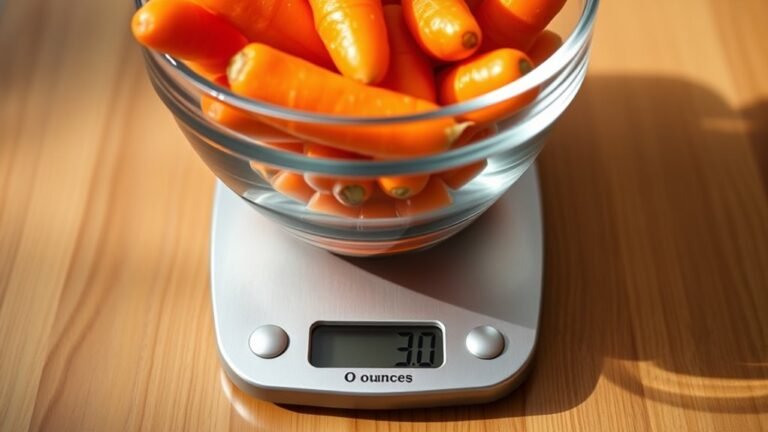
    You’ll need about 13 to 15 baby carrots to equal 3 ounces by weight, which is roughly 84 grams. Using a digital food scale is the best way to get this right and avoid guesswork since visual estimates or counting carrots can vary a lot.

    If you don’t have a scale, measuring half a cup with 6 to 8 carrots can serve as a rough guide. But precise portions help control calories and support healthy habits. There’s more to know about accurate measuring and portion control ahead.

  • 10 Tips to Safely Feed Your Baby in a Car Seat

    When feeding your baby in a car seat, always pull over in a safe spot to focus fully and prevent distractions. It’s super important to keep your baby upright at a 30–45 degree angle to reduce choking and reflux risks.

    Use clean, BPA-free bottles and secure loose items so nothing rolls around or causes accidents. Planning regular breaks for feeding, burping, and diaper changes is a lifesaver on longer trips.

    Keep an eye out for your baby’s hunger cues—they’re usually pretty clear. And don’t forget to prepare for messes and emergencies on the road. These tips help make feeding safer and smoother on your trip.

  • When Do Baby Bumps Start Showing: A How-To Guide

    You’ll usually start showing your baby bump between 12 and 16 weeks as your uterus grows above the pelvic bone. If you’ve been pregnant before, you might notice a bump as early as 10 weeks.

    Your body shape and muscle tone also affect when your bump appears, so everyone experiences it differently. Early changes in the first trimester are subtle, but by the second, your bump becomes more defined.

    Keep going to understand how your bump will evolve through each trimester. It’s pretty amazing to see how your body changes over time!

  • How Old Was Janet Jackson When She Had a Baby?

    You might be surprised to learn Janet Jackson had her son at age 50, joining a growing trend of late motherhood among celebrities. She likely used modern fertility methods like donor eggs and IVF to overcome natural conception challenges at that age.

    Her pregnancy involved careful medical monitoring due to increased health risks for older moms. Janet’s story shows that motherhood later in life is possible, and there’s more to uncover about how she made it happen.